Understanding the intricacies of appliance repair can be daunting, but knowing how to keep your Midea dehumidifier running smoothly is essential. Ready to dive into what you need to know?
What You Will Learn
- Common issues that may require repair, including electrical problems and clogged filters.
- Key signs that indicate your dehumidifier needs attention, such as unusual noises and water pooling.
- Effective troubleshooting steps to identify and resolve simple issues.
- When to seek professional help versus handling repairs yourself.
- Resources available for support, including manuals and community forums.
- Understanding warranty options to potentially save on repair costs.
Understanding Midea Dehumidifier Repair Needs
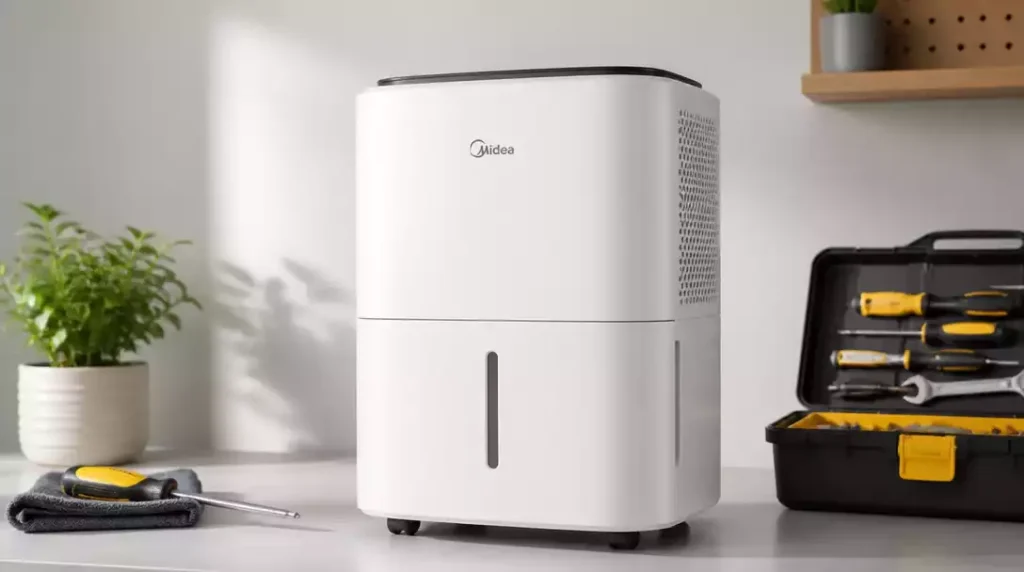
Every Midea dehumidifier, like any other appliance, can run into issues over time. Knowing when your unit requires repair is crucial for maintaining optimal performance. I’ve seen firsthand how these machines work tirelessly to keep our spaces dry and comfortable, but even the best devices can develop problems. Let’s dive into the reasons why your Midea might need a little TLC.
Midea dehumidifiers can face various issues due to wear and tear, environmental factors, or improper usage. These problems can stem from electrical failures, drainage issues, or component breakdowns. By identifying the signs early, you can ensure the longevity and efficiency of your unit. For similar repair insights, you might also find our guide on Hisense dehumidifier repair helpful.
Why Midea Dehumidifiers Require Repair
Understanding the common reasons for repair can help you preemptively address potential issues. Here’s a quick list of reasons Midea dehumidifiers may require some attention:
- Electrical problems like faulty wiring or blown fuses
- Pump failures that prevent proper drainage
- Clogged filters that impact performance
- Humidity sensor malfunction affecting moisture control
Being aware of these issues lets you take action before they escalate into costly repairs. Regular maintenance is key!
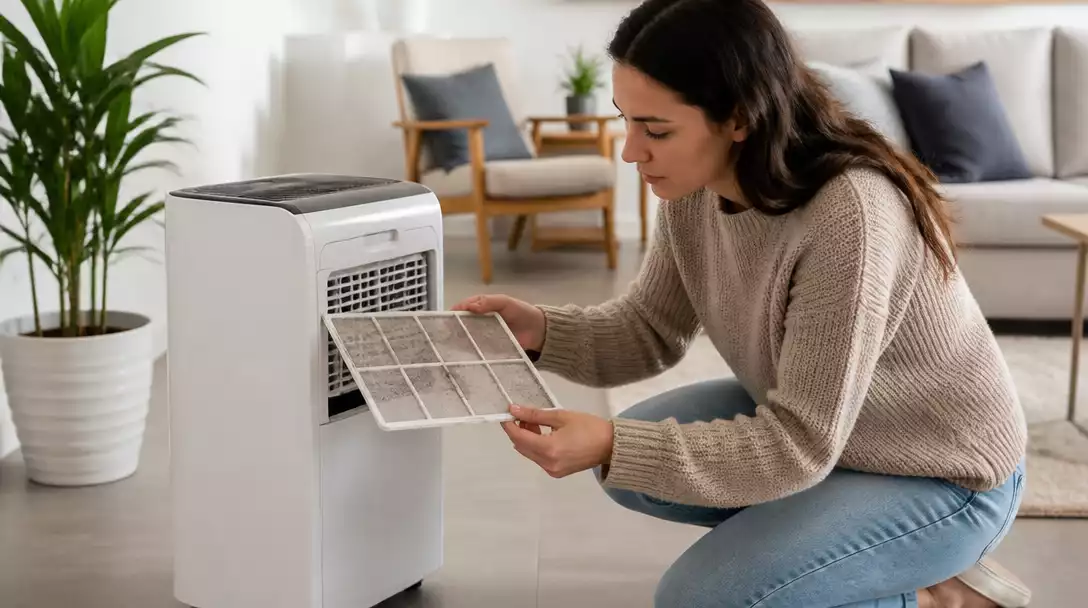
Common Signs Your Midea Dehumidifier Needs Attention
It’s essential to recognize the signs that your Midea dehumidifier may not be functioning properly. Keep an eye out for the following indicators:
- Unusual noises during operation
- Water pooling around the unit
- Increased humidity levels in your home despite running the unit
- Inconsistent or lack of airflow
Noticing these symptoms early can save you from bigger headaches down the road. If you spot any of these signs, it might be time to troubleshoot the issue or consult a professional.
Pro Tip
Did you know? Regularly cleaning the air filter and ensuring proper drainage can significantly extend the life of your Midea dehumidifier. A well-maintained unit not only performs better but also consumes less energy, saving you money on your utility bills!
Summarizing Your Midea Dehumidifier Repair Journey
As we wrap up our exploration of Midea dehumidifier repairs, it’s essential to reflect on the key points we’ve discussed. Effective troubleshooting can save you time and money while ensuring your unit operates efficiently. Remember, each problem has its solution, and with the right approach, you can tackle most issues head-on!
Here are some crucial takeaways for your repair journey:
- Familiarize yourself with common error codes and their meanings.
- Perform regular maintenance checks to catch issues early.
- Know when to seek professional assistance to avoid costly repairs.
Taking these steps will not only enhance the lifespan of your Midea dehumidifier but also contribute to a healthier indoor environment. It’s about finding that sweet spot between doing it yourself and knowing when to call in the experts!
Key Takeaways for Effective Troubleshooting
When issues arise, effective troubleshooting is key. You may find it helpful to keep this list handy:
- Check the error codes to identify the problem quickly.
- Inspect power connections and settings first.
- Always ensure the water bucket is properly placed.
- Perform routine filter cleaning and maintenance.
By having these steps at your fingertips, you can act promptly and efficiently. It’s all about staying proactive and informed!
Understanding the Balance of DIY Repairs vs. Professional Help
While many minor issues can be resolved by yourself, some situations call for a professional touch. Knowing when to switch gears is vital. Here are some factors to consider:
- If the problem persists after basic troubleshooting, consult an expert.
- Complex issues, like internal component failures, should be handled by certified technicians.
- Weigh repair costs against the lifespan of the unit—sometimes replacement is more economical!
It’s all about balancing your skills with the complexities of the repair needed. I’ve seen many customers save money by tackling simple fixes, while others have wisely chosen to call for help when things get tricky. For more general advice on fixing common appliance issues, refer to our guide on how to fix a humidifier.
Engaging with Midea Support Resources
Having the right support resources at your disposal can make all the difference in your repair journey. Midea provides a wealth of information to help you navigate issues effectively. Make sure to tap into these resources!
Where to Find Midea Dehumidifier Manuals and Guides
Finding the right manual or guide for your Midea dehumidifier is easy! Here’s where you can look:
- Visit Midea’s official website for downloadable manuals.
- Check online forums and user groups for shared experiences and tips.
- Use customer support to request specific documents if needed.
Having these resources can empower you to troubleshoot and maintain your device confidently!
Frequently Asked Questions (FAQs)
What are the most common reasons a Midea dehumidifier needs repair?
Common reasons include electrical problems (faulty wiring, blown fuses), pump failures preventing proper drainage, clogged filters, and humidity sensor malfunctions.
How can I tell if my Midea dehumidifier needs attention?
Look for signs such as unusual noises, water pooling around the unit, increased humidity levels in your home despite the unit running, or inconsistent/lack of airflow.
What are some initial troubleshooting steps I can take?
Start by checking error codes, inspecting power connections and settings, ensuring the water bucket is correctly placed, and performing routine filter cleaning and maintenance.
When should I consider professional repair for my Midea dehumidifier?
If the problem persists after basic troubleshooting, or if you encounter complex issues like internal component failures, it’s best to consult a certified technician. Sometimes, weighing repair costs against the unit’s lifespan might suggest replacement is more economical.
Where can I find support resources for my Midea dehumidifier?
You can find downloadable manuals on Midea’s official website, seek advice from online forums and user groups, or contact Midea customer support for specific documents and assistance. Don’t forget to review your warranty options.
Encouraging User Interaction: Share Your Repair Experiences
We love hearing from our community! Sharing your repair experiences can provide valuable insights for others facing similar challenges. Join our forum or comment section to:
- Exchange tips and tricks for common issues.
- Discuss your troubleshooting successes or failures.
- Ask questions and get advice from fellow Midea users.
Your stories not only help others but also create a supportive environment where we can all learn from one another! If you’re encountering issues with the fan motor, you might find our specific guide on dehumidifier fan motor repair useful.
Exploring Warranty Options and After-Sales Support
Lastly, don’t forget to explore your warranty options. Midea offers various warranties that can cover repairs, which can save you a lot! Here’s what to do:
- Review the warranty terms included with your purchase.
- Contact Midea customer support for any questions regarding your warranty.
- Keep receipts and documentation for any required claims.
Utilizing these support options can make your repair process smoother and more cost-effective. Remember, we’re here to support you every step of the way!
Recap of Key Points
Here is a quick recap of the important points discussed in the article:
- Midea dehumidifiers may require repair due to electrical problems, pump failures, clogged filters, and humidity sensor malfunctions.
- Signs that your unit needs attention include unusual noises, water pooling, increased humidity, and lack of airflow.
- Regular maintenance checks and familiarity with error codes can help prevent costly repairs.
- It’s important to know when to seek professional help for complex issues or persistent problems.
- Utilize Midea’s support resources, including manuals and customer support, for effective troubleshooting.