
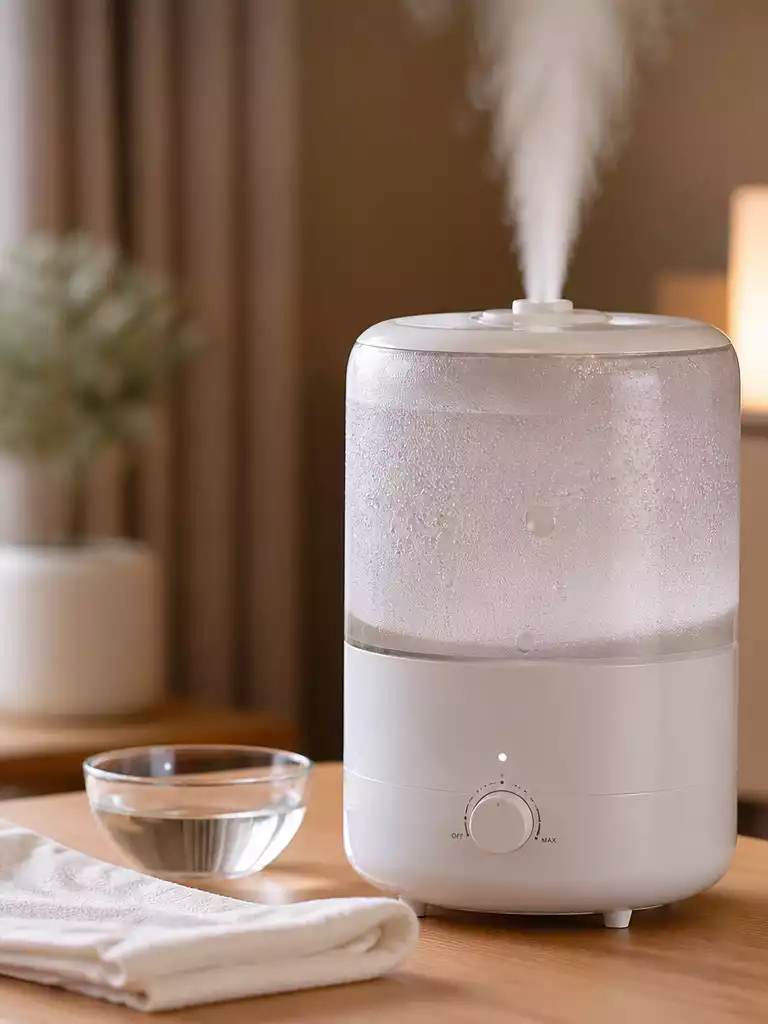
Did you know that maintaining optimal humidity levels in your home can significantly enhance your health and comfort? Understanding your humidifier’s needs is key to achieving this goal.
What You Will Learn
- Common reasons why your humidifier may not be functioning, including power supply issues and blockages.
- How to identify signs of a malfunctioning humidifier, such as unusual noises or pooling water.
- The impact of water quality on humidifier performance and maintenance tips to prevent mineral buildup.
- When to seek professional help for persistent humidifier issues, such as leaks or low humidity levels.
- Proactive maintenance strategies to enhance your humidifier’s efficiency and indoor air quality.
- Health benefits of proper humidity control, including reduction of allergy symptoms and improved skin hydration.
Understanding Humidifier Issues: Common Symptoms and Concerns
When it comes to your humidifier, it can be frustrating when things go awry. Understanding humidifier issues is the first step in ensuring your home remains comfortable and healthy. In this section, I’ll share some common symptoms and concerns that may indicate your humidifier isn’t functioning as it should.
It’s essential to recognize the signs of a malfunctioning unit early. Many times, a simple fix can lead to improved performance. Let’s dive into some of the reasons these problems arise.
Why Is My Humidifier Not Working?
One of the foremost questions I hear is, “Why is my humidifier not working?” This can stem from a variety of issues. A few common culprits include power supply problems, water level issues, and even improper settings.
- Check if the device is plugged in.
- Ensure the settings are correctly adjusted.
- Look for any blockages in the water tank.
Taking these simple steps can often pinpoint the issue, allowing you to enjoy the benefits of properly humidified air!
Identifying the Signs of a Malfunctioning Humidifier
Knowing how to identify the signs of a malfunctioning humidifier can save you time and effort. Here are some indicators to watch out for:
- Unusual noises coming from the unit.
- Water pooling around the base.
- No visible mist being emitted.
- Increased allergy symptoms or dry skin in your home.
If you notice any of these signs, it might be time to troubleshoot or even consider a repair. Staying alert to these problems can help maintain a comfortable living environment!
Common Causes of Humidity Control Failure in Humidifiers
There are several common causes that can lead to humidity control failure in your humidifier. Understanding these can help you avoid future issues:
- Mineral buildup in the tank and components.
- Improper installation or settings.
- Old or clogged filters.
- Poor-quality water leading to residue.
Recognizing these factors is key to keeping your humidifier running smoothly. Regular maintenance efforts often prevent these issues from escalating!
Understanding the Impact of Water Quality on Humidifier Performance
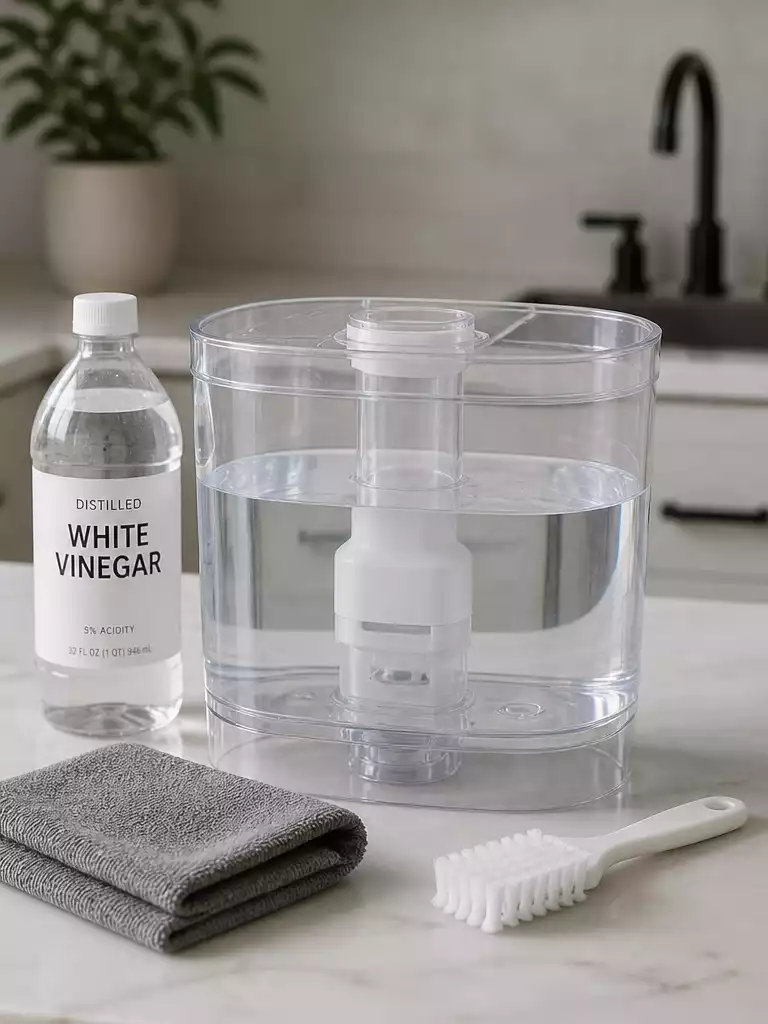
The quality of water you use in your humidifier can significantly impact its performance. Hard water, for example, can cause mineral buildup, which leads to inefficiency and potential damage.
- Consider using distilled or purified water.
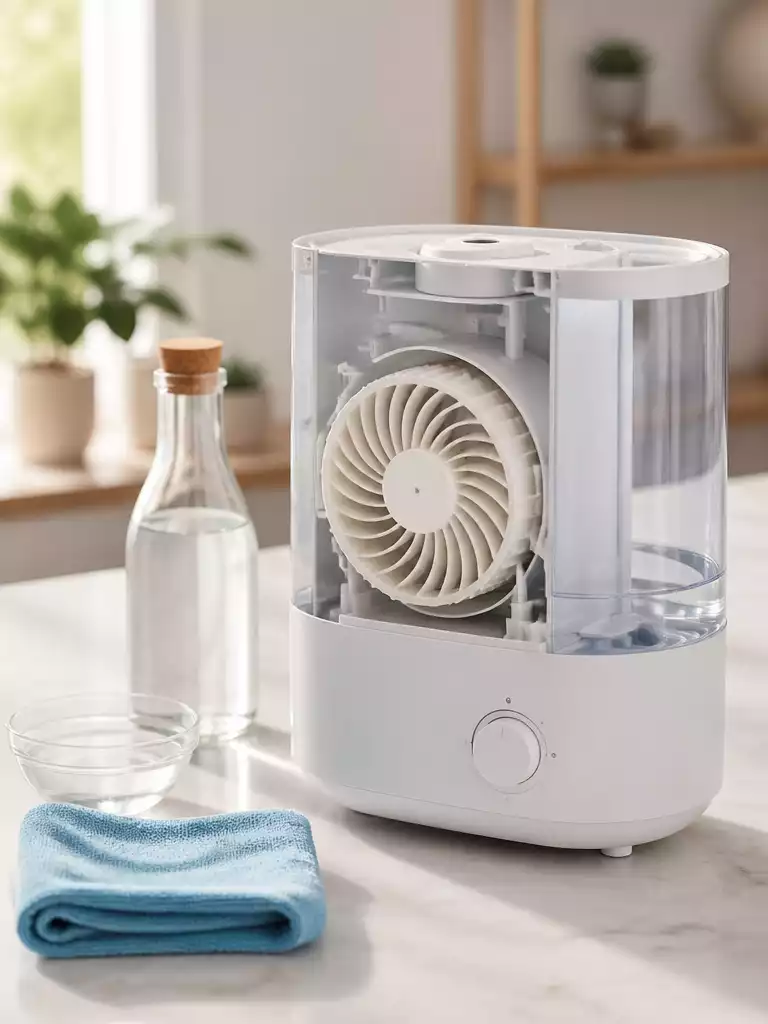
- Regularly clean the tank to remove any mineral deposits.
- Check the manufacturer’s recommendations for water use.
By prioritizing water quality, you can extend the lifespan of your humidifier and ensure effective performance. Remember, a little attention to detail goes a long way!
Pro Tip
To enhance the efficiency of your humidifier, consider using a hygrometer. This handy tool measures the humidity levels in your home, allowing you to adjust your humidifier settings for optimal comfort and health. Maintaining a humidity level between 30-50% can significantly improve air quality and prevent issues related to both dryness and excess moisture.
Frequently Asked Questions About Humidifier Issues
- Q: What are the most common reasons a humidifier stops working?
- A: Common reasons include power supply problems (not plugged in, incorrect settings), low water levels, and blockages in the water tank or components.
- Q: How can I tell if my humidifier is malfunctioning?
- A: Signs of a malfunction include unusual noises, water pooling around the unit, no visible mist output, and an increase in allergy symptoms or dry skin in your home.
- Q: Does water quality affect my humidifier’s performance?
- A: Yes, water quality significantly impacts performance. Hard water can lead to mineral buildup, reducing efficiency and potentially damaging the unit. Using distilled or purified water is recommended.
- Q: When should I seek professional help for my humidifier?
- A: You should seek professional help if your humidifier is consistently leaking water, making unusual noises, not maintaining proper humidity levels despite troubleshooting, or has visible damage that affects its function.
- Q: What are the benefits of maintaining proper humidity levels?
- A: Proper humidity control can reduce allergy symptoms, prevent the spread of colds and flu by keeping mucous membranes moist, and improve skin hydration, contributing to overall health and comfort.
Wrapping Up Your Humidifier Troubleshooting Journey
After working through the various troubleshooting steps, it’s essential to recap the key fixes and maintenance tips you can implement to keep your humidifier running smoothly. Regular maintenance not only helps improve performance but also extends the lifespan of your device! Here’s a summary of what to remember:
- Always check the water levels and ensure the tank is properly seated.
- Clean your humidifier regularly to prevent mineral buildup.
- Inspect power sources and connections to address functionality issues.
- Establish a routine for checking filters and replacing them as needed.
These simple yet effective practices can make a significant difference in how well your humidifier performs. If you keep these tips in mind, you’ll likely enjoy better air quality and overall comfort in your home!
When to Seek Professional Help for Humidifier Issues
There may come a time when your trusty humidifier requires more than just a little elbow grease. If you’ve gone through the troubleshooting steps and still face persistent issues, it’s time to consider seeking professional help. Here are some signs that indicate you might need an expert:
- Your humidifier is leaking water consistently.
- It makes unusual noises that weren’t present before.
- Humidity levels in your home are still low despite using the device.
- There are visible damages to the unit that could affect its performance.
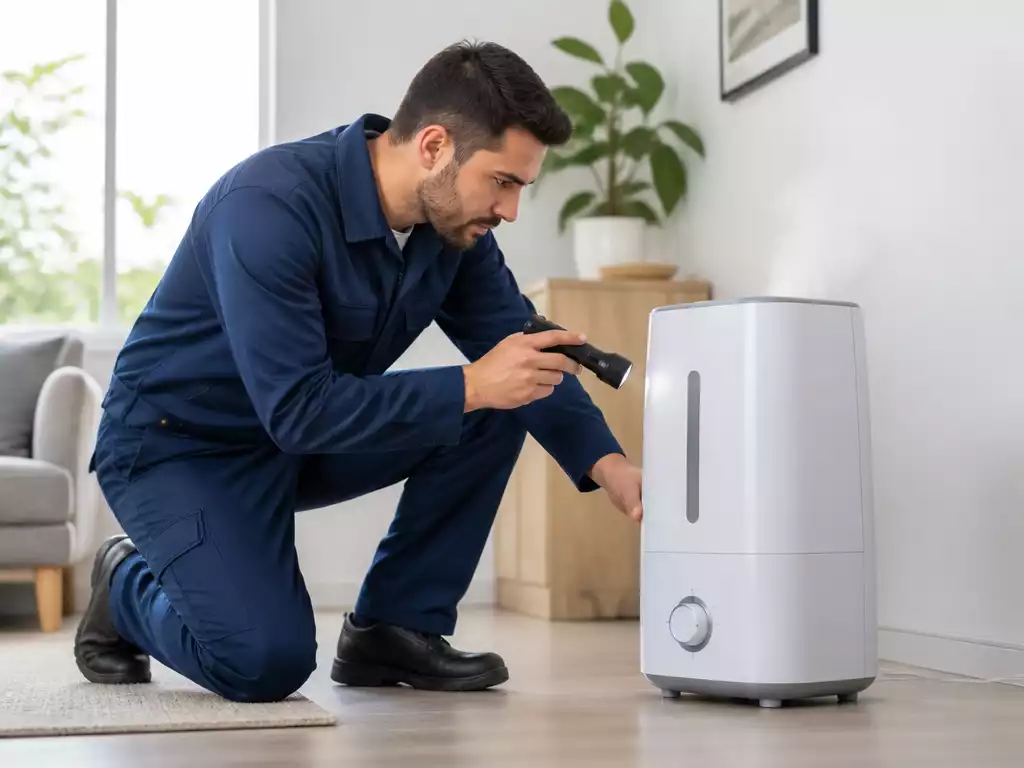
Don’t hesitate to reach out for assistance when things get tricky! Engaging with a professional can save you time and potentially prevent further damage.
Engaging with Your Humidifier’s Needs: A Call to Action
How to Stay Proactive with Humidifier Maintenance
Staying proactive with your humidifier maintenance can make all the difference in its performance and indoor air quality. Regular checks and cleaning can prevent minor issues from becoming major headaches. Here are some actionable tips:
- Set a monthly reminder for cleaning and checking your humidifier.
- Keep a log of maintenance tasks to track when filters were last changed.
- Consider investing in a humidity monitor to keep tabs on your indoor levels.
By implementing these strategies, you’ll not only enhance your humidifier’s efficiency but also ensure a healthier living environment for you and your family!
Explore Professional Repair Services When Necessary
In some cases, a professional’s expertise is invaluable. If you find yourself in a situation where repairs are needed, look for a reputable service that specializes in humidifiers. This can save you time and ensure the job is done right!
- Research local HVAC companies that offer humidifier repair services.
- Ask for recommendations from friends or family who have had similar issues.
- Check online reviews to gauge customer satisfaction.
Taking the time to choose the right repair service can lead to better results and peace of mind.
Understanding Health Benefits of Proper Humidity Control
Maintaining optimal humidity levels in your home doesn’t just improve comfort; it also has health benefits! Proper humidity control can:
- Reduce allergy symptoms by alleviating dry air irritants.
- Prevent the spread of colds and flu by keeping mucous membranes moist.
- Improve skin hydration and reduce dry skin issues.
Being aware of these benefits can motivate you to keep your humidifier in top shape! After all, a healthy home starts with the right environment.
Tips for Enhancing Indoor Air Quality with Your Humidifier
Finally, let’s talk about how to maximize your humidifier’s potential in enhancing indoor air quality. Here are some tips to consider:
- Combine your humidifier usage with air purifiers for comprehensive air quality improvement.
- Use distilled water in your humidifier to prevent mineral buildup.
- Place the humidifier strategically in the room for optimal distribution.
By following these tips, you’ll create a healthier and more comfortable living space that everyone can enjoy. Remember, your humidifier is a valuable ally in maintaining a pleasant home atmosphere!
Recap of Key Points
Here is a quick recap of the important points discussed in the article:
- Check for power supply issues, correct settings, and blockages to troubleshoot your humidifier.
- Look out for signs of malfunction like unusual noises, water pooling, and no mist output.
- Regular maintenance, including cleaning and checking water quality, is essential for optimal performance.
- Seek professional help if you notice persistent issues, such as leaks or low humidity levels.
- Stay proactive with maintenance by setting reminders and keeping a log of tasks.
- Combining your humidifier with air purifiers can significantly enhance indoor air quality.
Pingback: levoit humidifier won't turn on
Pingback: levoit humidifier not working
Pingback: how to reset levoit humidifier
Pingback: dyson humidifier not misting
Pingback: honeywell humidifier fan not working
Pingback: how to fix honeywell humidifier
Pingback: crane humidifier blinking red light
Pingback: how to check aprilaire humidifier
Pingback: Aprilaire Humidifier Leaking Water? Causes and Fixes
Pingback: canopy humidifier red light
Pingback: aquaoasis humidifier not working
Pingback: equate humidifier not misting
Pingback: geniani humidifier flashing red light
Pingback: How to Fill a Frida Humidifier Properly
Pingback: how to clean pure enrichment humidifier
Pingback: Aprilaire Dehumidifier Repair