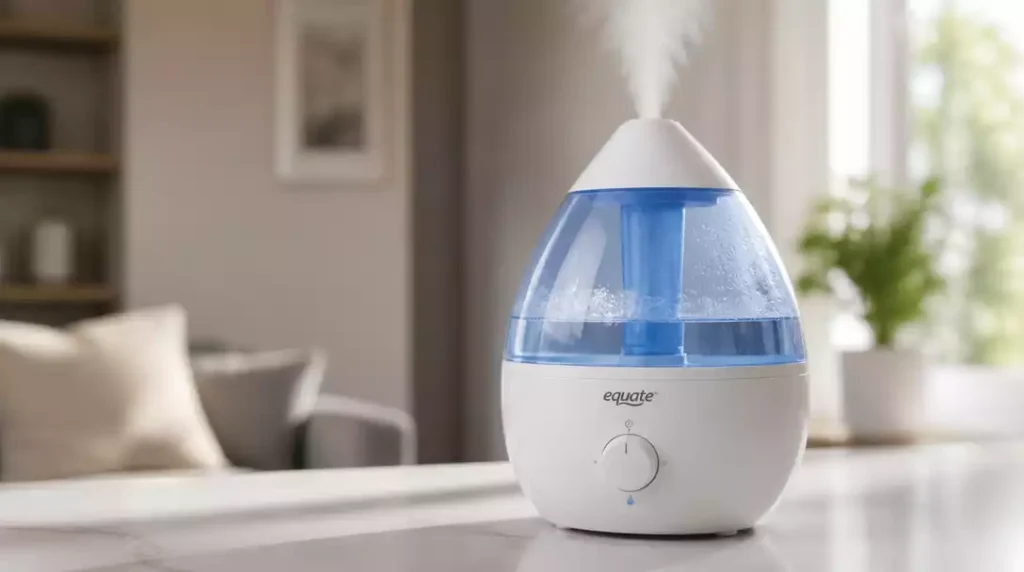
Regular maintenance is essential for optimal performance, but what happens when your Equate humidifier stops misting? Understanding the common issues and solutions can save you time and keep your air fresh. Let’s dive into the essential troubleshooting tips!
What You Will Learn
- Identify low water levels and ensure the tank is properly seated to restore mist output.
- Detect power supply issues by checking the cord and outlet for secure connections.
- Recognize mineral buildup in the transducer and mist nozzle as a common cause of clogging.
- Understand the importance of using distilled water to prevent bacterial growth and mineral deposits.
- Learn proactive maintenance tips to keep your humidifier functioning effectively.
- Know when to seek professional help if DIY troubleshooting fails to resolve the issue.
- Explore the health benefits of maintaining optimal humidity levels in your home.
Identifying the Reasons Why Your Equate Humidifier Is Not Misting
Having an Equate humidifier is a great way to maintain a comfortable indoor environment, but it can be frustrating when it stops misting! Let’s take a look at some common issues that could be causing this problem. I’ve found that most of my clients experience similar challenges, and I’m here to help you troubleshoot.
Some prevalent reasons for no mist output include low water levels, the tank not being seated correctly, and power supply issues. When you notice that your humidifier isn’t producing mist, the first step is to check these basic factors.
Common Causes of No Mist Output
- Low water levels
- Tank not seated correctly
- Power supply issues
Starting with water levels, make sure your unit has enough water in the tank. If the tank isn’t seated properly, it won’t function correctly either. Finally, ensure that the power supply is secure and that the outlet is working. A loose connection could be the simplest fix! For more in-depth troubleshooting on common humidifier problems, check out our guide on how to fix a humidifier.
Diagnosing Mineral Buildup and Clogged Nozzles
Mineral buildup can significantly impact misting efficiency. Hard water can lead to deposits in your humidifier, obstructing the mist nozzle and transducer. Regular maintenance is crucial to prevent these issues.
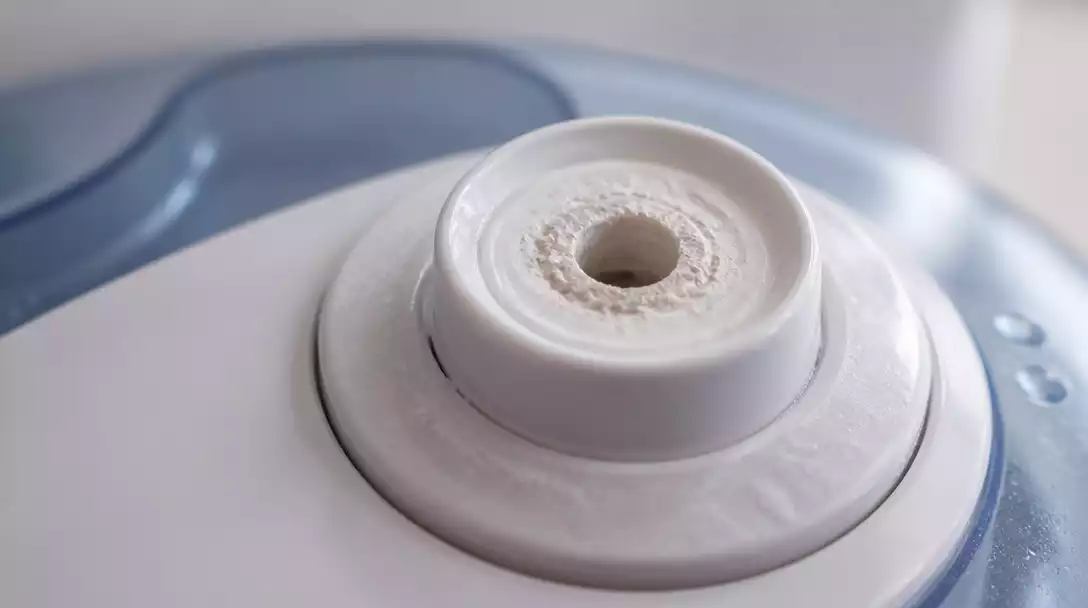
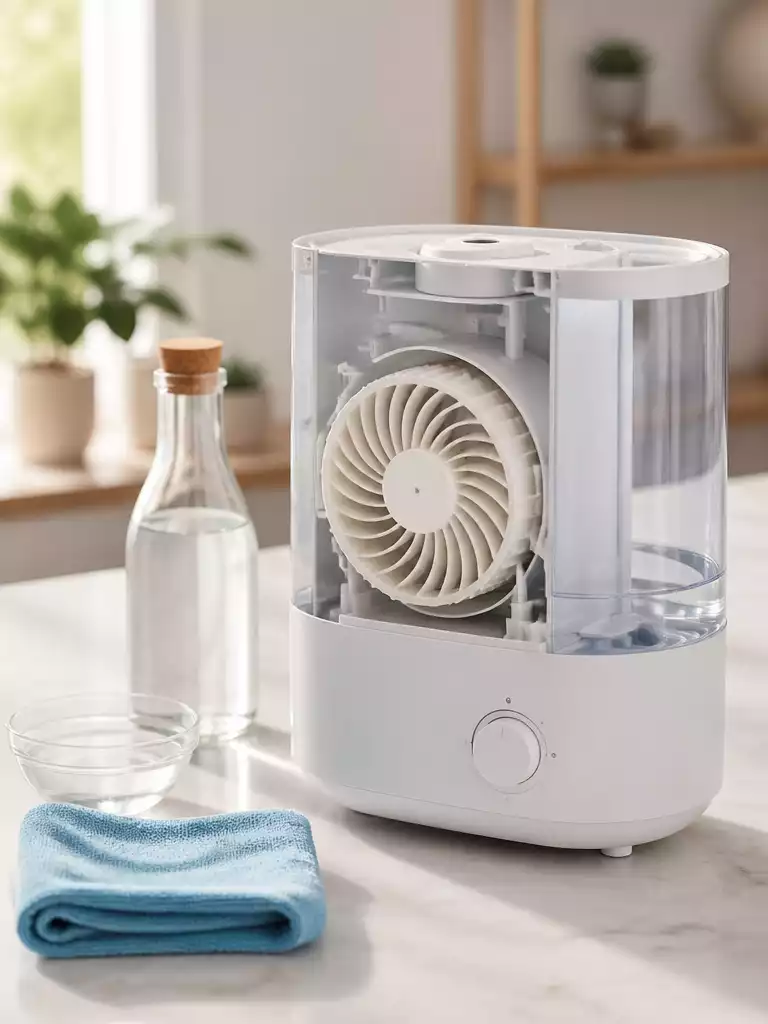
Check the transducer for any blockages and inspect the mist nozzle for buildup. If you notice white residue, it’s likely mineral deposits causing the problem. Learning how to clean a humidifier nozzle effectively can prevent these blockages.
Assessing Water Quality and Its Impact on Mist Output
The quality of water you use in your humidifier plays a significant role in its performance. Poor water quality can lead to the introduction of bacteria and mold, which not only affects the mist output but can also be harmful to your health.
Using distilled or demineralized water can help maintain your humidifier’s efficiency and prolong its life. Avoid tap water if possible, as it often contains minerals that can cause buildup.
Pro Tip
To enhance the efficiency of your Equate humidifier, consider using a hygrometer. This device measures the humidity levels in your home, allowing you to adjust your humidifier settings for optimal performance. Maintaining indoor humidity between 30-50% not only maximizes mist output but also helps in preventing mold growth and improving air quality!
Summarizing Key Steps to Restore Mist Output
To effectively diagnose and resolve misting issues with your Equate humidifier, it’s crucial to recap the essential troubleshooting steps. By carefully following these methods, you can identify the source of the problem and restore your humidifier’s functionality. Here’s a summary of the key actions to take:
- Check water levels and ensure the tank is seated correctly.
- Inspect the power supply, cord, and outlet for any issues.
- Examine the mist nozzle and transducer for mineral buildup.
- Consider the quality of water being used in the humidifier.
Each of these steps plays a vital role in ensuring you get the mist output you expect, making troubleshooting more straightforward.
Frequently Asked Questions (FAQs)
Here are some common questions about Equate humidifiers not misting:
- Why is my Equate humidifier not producing mist?
Common reasons include low water levels, the water tank not being seated correctly, power supply issues, or mineral buildup in the transducer and mist nozzle. - How can I check for mineral buildup?
Inspect the transducer (the small disc that vibrates to create mist) and the mist nozzle for any white, crusty residue. This indicates mineral deposits from hard water. - What kind of water should I use in my humidifier?
It is recommended to use distilled or demineralized water to prevent mineral buildup and the growth of bacteria or mold. Tap water often contains minerals that can clog your humidifier. - How often should I clean my Equate humidifier?
The water tank should be cleaned weekly, and the unit should be descaled monthly using vinegar. Filters or wicks should be replaced every 1-3 months, as needed. - When should I contact customer support for my humidifier?
If you have followed all troubleshooting steps—checking water levels, power, and cleaning for buildup—and your humidifier still isn’t misting, it’s time to check your warranty and contact Equate customer support or a technician.
Seeking Professional Help or Customer Support
There are times when the issue may be beyond DIY fixes, and it’s important to know when to seek help. If you’ve followed all the troubleshooting steps and your humidifier is still not misting, it might be time to contact Equate support or a technician. Here are some guidelines for reaching out:
- Check if your humidifier is still under warranty.
- Gather relevant information, including model number and a brief description of the problem.
- Visit the Equate website or call customer support for assistance.
Utilizing these resources can save you time and ensure your humidifier gets the attention it needs.
Encouraging Regular Maintenance for Optimal Performance
Regular maintenance is essential in preventing misting issues from cropping up again. Taking a proactive approach to cleaning and care will ensure your Equate humidifier remains efficient and effective for years to come. I always remind my customers that a little effort goes a long way!
- Clean the water tank weekly to prevent bacteria growth.
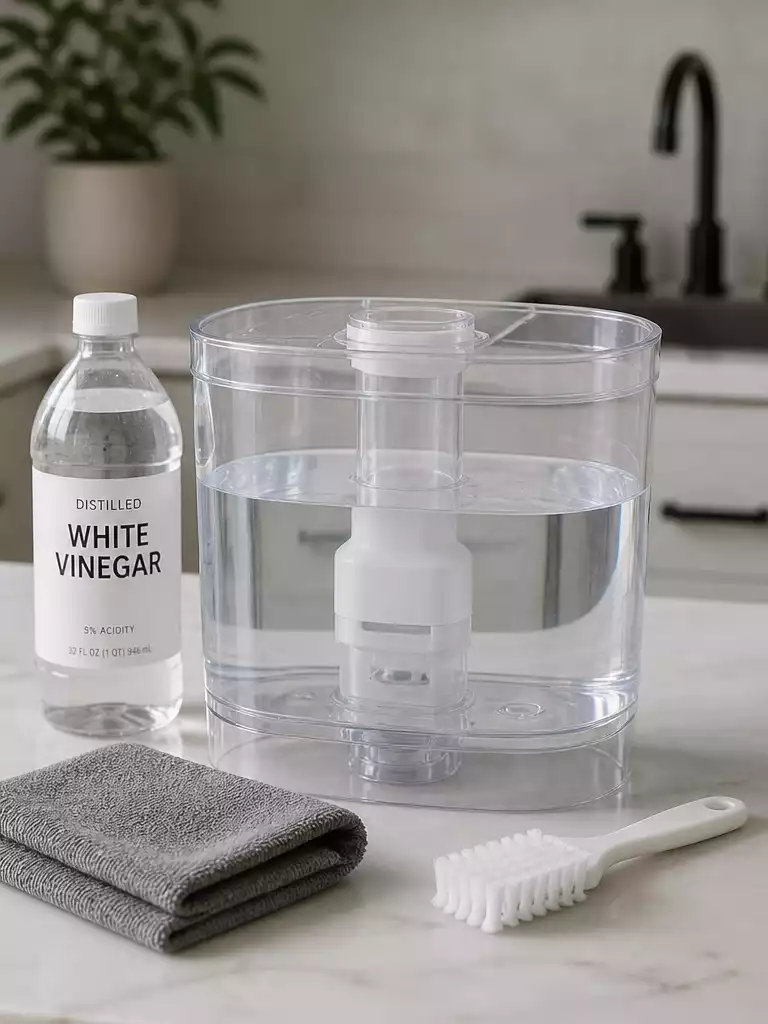
- Descale the unit monthly using vinegar. For detailed instructions, see our article on how to clean a humidifier with vinegar.
- Replace filters or wicks as needed, typically every 1-3 months.
By following these maintenance tips, you can significantly enhance the longevity of your humidifier and enjoy consistent mist output.
Engaging with User Experiences and Testimonials
I invite you to share your own experiences with troubleshooting your Equate humidifiers! Hearing from others can provide valuable insights and foster a supportive community. What worked for you? Did you discover any unique solutions? Your stories can help others who might be facing similar challenges.
Benefits of Using Humidifiers for Indoor Air Quality and Health
Humidifiers offer remarkable benefits for indoor air quality and overall health. I often talk to my customers about how maintaining optimal humidity levels can lead to:
- Improved respiratory function and reduced irritation.
- Better sleep quality by alleviating dryness.
- Relief from seasonal allergies and cold symptoms.
By investing in a humidifier and keeping it well-maintained, you’re not just ensuring mist output; you’re also investing in your health!
Recap of Key Points
Here is a quick recap of the important points discussed in the article:
- Check water levels and ensure the tank is seated correctly to restore mist output.
- Inspect the power supply and connections for any issues that could affect functionality.
- Examine the mist nozzle and transducer for mineral buildup that may obstruct misting.
- Use distilled or demineralized water to prevent bacteria growth and mineral deposits.
- Engage in regular maintenance, such as cleaning the water tank weekly and descaling monthly.