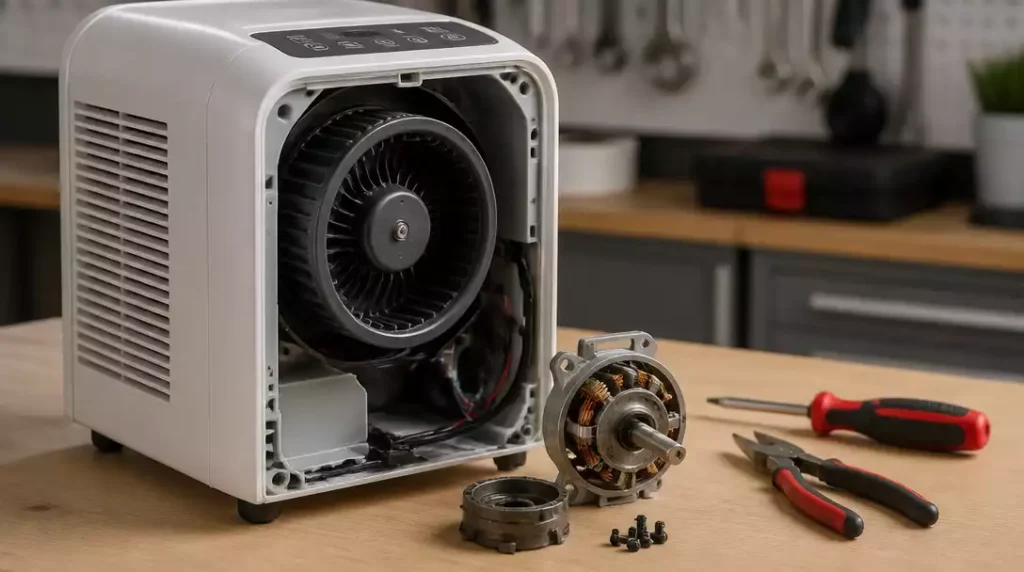
Did you know that a well-functioning fan motor in your dehumidifier can significantly improve your indoor air quality? Understanding its role is crucial for any homeowner looking to maintain a comfortable and healthy environment.
What You Will Learn
- The fan motor is essential for drawing in humid air and expelling dry air, which helps maintain optimal humidity levels.
- Recognizing signs of a failing fan motor, such as no airflow or unusual noises, can prevent costly repairs.
- Regular maintenance of your dehumidifier can extend its lifespan and enhance its performance.
- Empowering yourself with DIY skills can save money and improve your confidence in home repairs.
Dehumidifier Fan Motor Functionality
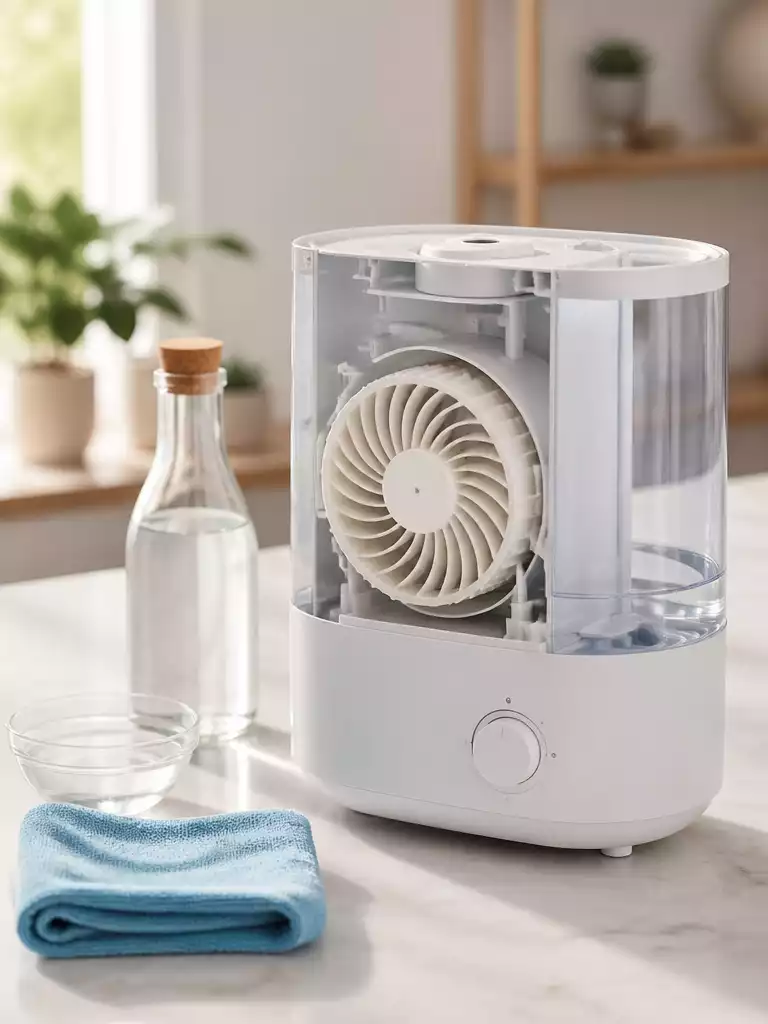
The fan motor in your dehumidifier plays a crucial role in keeping your indoor air quality at its best. By circulating air over the unit’s coils, it helps to draw out moisture from the air, allowing the dehumidifier to effectively reduce humidity levels in your home. This process not only enhances comfort but also prevents mold and mildew growth, which can be damaging to your health and home. For more information on preventing mold, consider reading about how to prevent pink mold in humidifiers.
When the fan motor operates smoothly, you might hardly notice it. However, when it starts to fail, you may experience a decline in your dehumidifier’s performance. That’s when understanding how the fan motor works becomes essential!
What Does the Fan Motor Do in a Dehumidifier?
Simply put, the fan motor is the heart of the dehumidifier’s air circulation system. Here’s what it does:
- Draws in Moist Air: The fan motor pulls warm, humid air from the room into the dehumidifier.
- Enhances Evaporation: As air passes over the cold coils, moisture condenses and collects in the reservoir.
- Expels Dry Air: The fan then pushes drier air back into the room, maintaining a comfortable environment.
By efficiently performing these functions, the fan motor ensures that your dehumidifier works optimally. If you notice any disruptions in airflow, it might be time to investigate the fan motor’s health. For specific repair guidance, explore resources on how to fix a humidifier fan.
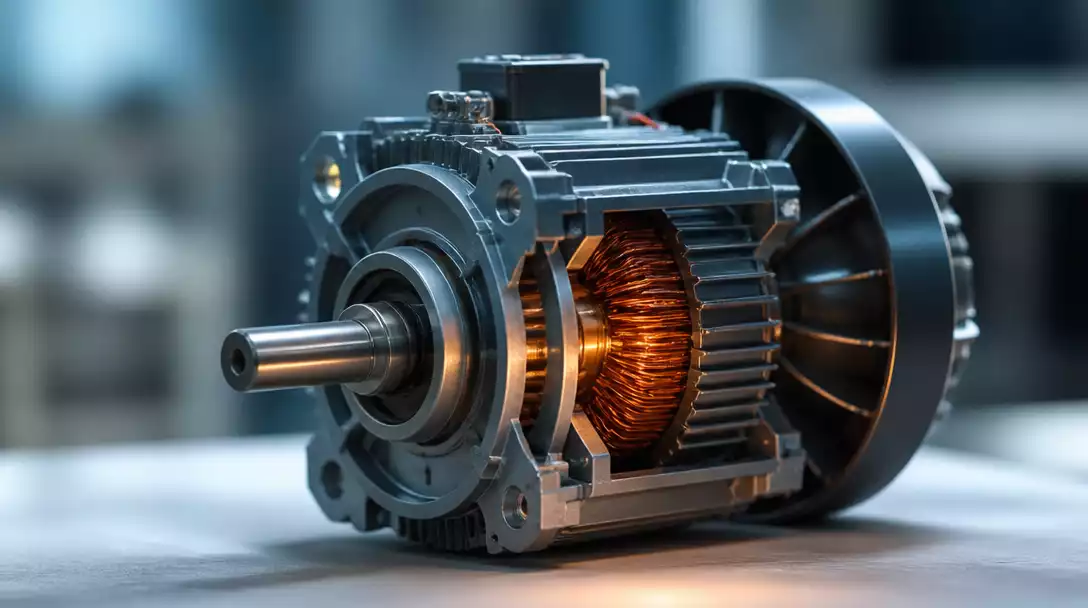
Common Symptoms of a Failing Fan Motor
If your dehumidifier isn’t working as well as it used to, the fan motor might be the culprit. Here are some signs to watch for:
- No Airflow: If you don’t feel any air coming out of the unit, the fan motor could be malfunctioning.
- Unusual Noises: Grinding or rattling sounds can indicate that the motor bearings are failing.
- Increased Humidity: If the dehumidifier isn’t collecting water, the fan motor may not be running effectively.
Recognizing these symptoms early can save you time and money on repairs, so keep an eye out! If any of these issues arise, it’s worth investigating further to determine if the fan motor needs attention.
Pro Tip
Did you know? Regularly cleaning the fan motor and surrounding components can significantly enhance your dehumidifier’s efficiency. Dust and debris can accumulate, leading to overheating and performance issues. A simple maintenance routine can help prolong the life of your dehumidifier!
Frequently Asked Questions About Dehumidifier Fan Motors
- Q: What is the primary function of a dehumidifier fan motor?
- A: The fan motor primarily circulates air, drawing in humid air and expelling dry air after moisture has been condensed on the unit’s coils. This process is crucial for maintaining optimal humidity levels and preventing mold.
- Q: How can I tell if my dehumidifier fan motor is failing?
- A: Common symptoms include no airflow from the unit, unusual noises like grinding or rattling, and an increase in room humidity despite the dehumidifier running (indicating it’s not collecting water effectively).
- Q: Can I replace a dehumidifier fan motor myself?
- A: Yes, with the right tools, parts, and a focus on safety (always disconnect power first), many homeowners can replace a dehumidifier fan motor. Online tutorials and repair manuals can provide guidance.
- Q: What kind of maintenance helps prolong the life of a dehumidifier fan motor?
- A: Regularly cleaning the fan motor and surrounding components to remove dust and debris is key. This prevents overheating and ensures efficient operation, extending the lifespan of your dehumidifier.
- Q: Where can I find replacement parts or additional assistance for dehumidifier repairs?
- A: Manufacturer websites, online retailers, DIY repair forums, and local appliance repair shops are excellent resources for finding compatible parts and expert advice.
Summarizing Your Dehumidifier Fan Motor Repair Journey
As we wrap up our exploration of dehumidifier fan motor repairs, it’s essential to reflect on the key steps you’ve taken. Successfully repairing your fan motor not only saves you money but also empowers you to better maintain your home environment. By understanding the functionality of your dehumidifier’s components, you’ve equipped yourself with valuable knowledge that can enhance your DIY skills!
Here are some key takeaways to keep in mind during your repair journey:
- Always prioritize safety by disconnecting power before starting repairs.
- Identify symptoms of fan motor failure early to avoid extensive damage.
- Use the right tools and parts for a successful installation.
- Regular maintenance can extend the life of your dehumidifier.
By following these steps, you can confidently tackle any issues that arise with your dehumidifier. Remember, the more you practice your repair skills, the more adept you’ll become!
Resources for Further Assistance and Parts Purchasing
If you find yourself in need of additional support or replacement parts, there are several resources available at your fingertips. Local appliance repair shops often have knowledgeable staff who can offer insights. Additionally, online retailers provide a wide range of dehumidifier components.
- Manufacturer websites often list compatible parts for specific models.
- DIY repair forums can provide advice from fellow home maintenance enthusiasts.
- Online marketplaces may have competitive prices on replacement motors.
Whether you’re looking for a new fan motor or simply need advice on troubleshooting, these resources can guide you toward making informed decisions.
Encouraging DIY Repairs: Empowering Your Home Maintenance Skills
DIY repairs can be a rewarding experience, giving you the chance to learn and grow while saving money in the process! I believe that everyone should feel empowered to take on their home maintenance tasks, and repairing your dehumidifier is a great starting point.
Join the Community: Share Your Repair Experiences
Don’t underestimate the value of community! Sharing your experiences with others not only helps you connect but also provides insights that can benefit fellow DIYers. Whether it’s a success story or a troubleshooting tip, every bit of information counts. Join online forums or local groups dedicated to home repairs to exchange ideas and solutions.
Explore Additional Resources for Appliance Repairs
The world of appliance repair is vast and filled with opportunities for learning. Explore various resources, like blogs, YouTube channels, and repair workshops, that cater to DIY enthusiasts. You’ll find a treasure trove of information on best practices, troubleshooting techniques, and innovative repair methods.
Online Tutorials and Repair Manuals for DIY Success
Lastly, take advantage of the wealth of online tutorials and repair manuals available. Many manufacturers provide detailed guides that can be invaluable during your repair journey. These resources often include:
- Step-by-step instructions.
- Video tutorials demonstrating common repairs.
- FAQs addressing common issues and solutions.
With these tools at your disposal, tackling dehumidifier repairs—and any other appliance-related tasks—will become much more manageable. Remember, with a little patience and practice, you can master the art of DIY home maintenance! For comprehensive guidance on general repairs, check out our article on how to fix a humidifier.
Recap of Key Points
Here is a quick recap of the important points discussed in the article:
- The fan motor is essential for circulating air and reducing humidity levels.
- Common symptoms of a failing fan motor include no airflow, unusual noises, and increased humidity.
- Always prioritize safety by disconnecting power before starting repairs.
- Regular maintenance can extend the life of your dehumidifier.
- Utilize resources like manufacturer websites and online forums for support and replacement parts.