
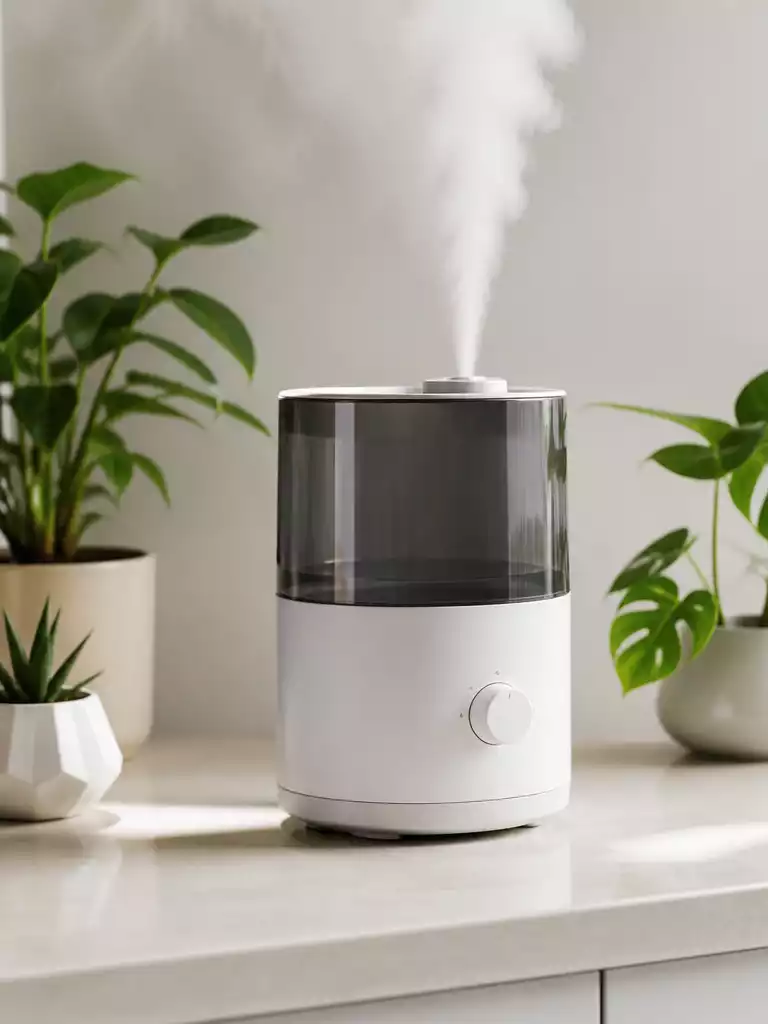
Have you ever wondered what lurks in your humidifier? The presence of pink residue can indicate more than just a cleaning oversight; it may be a sign of bacteria that affect your air quality. Understanding this phenomenon can empower you to take action!
What You Will Learn
- Pink mold, caused by the bacteria Serratia marcescens, thrives in humid environments, particularly in humidifiers.
- Key factors for pink residue formation include standing water, high humidity levels, and lack of regular maintenance.
- Airborne spores can settle in humidifiers and, when combined with moisture, promote bacterial growth.
- Best practices to prevent pink mold include regular cleaning, using distilled water, and maintaining humidity levels between 30% and 50%.
Understanding Pink Residue in Humidifiers
Pink residue in humidifiers, often referred to as pink mold, can be quite a nuisance. This unsightly growth is typically caused by the bacteria Serratia marcescens or a bacterial biofilm. As a humidifier user myself, I know how frustrating it can be to see this residue appear, especially when I’ve just cleaned my device!
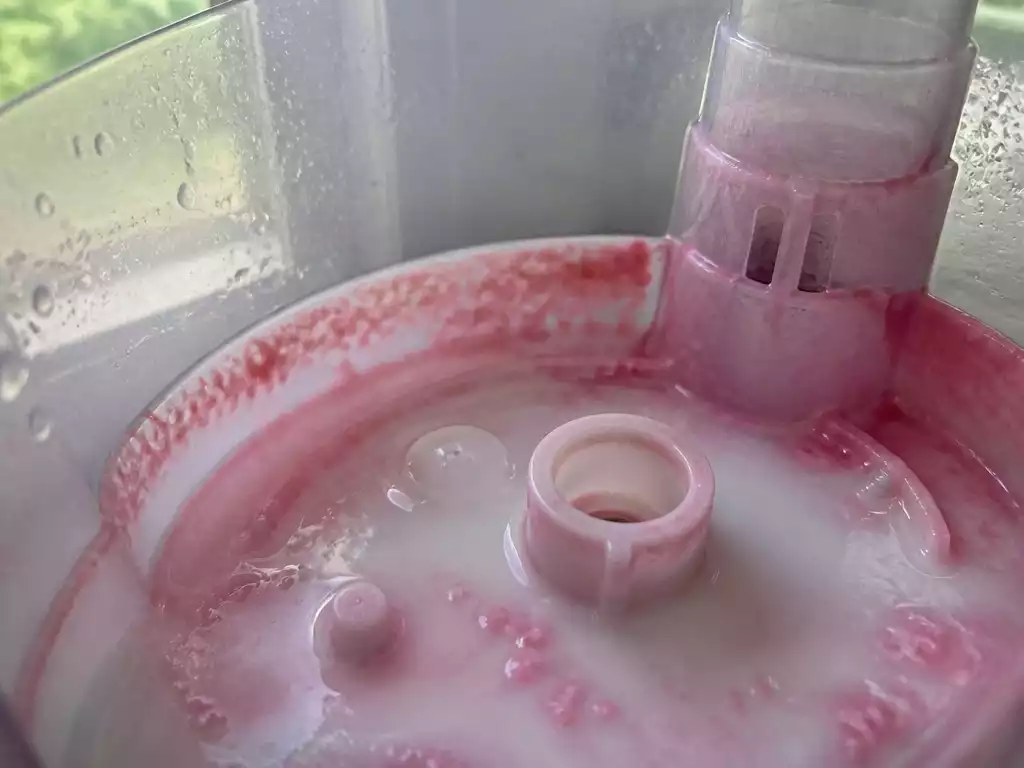
Understanding what causes this mold is crucial for maintaining your humidifier’s performance and your indoor air quality. The growth of pink mold often indicates an underlying issue that needs addressing.
What is Pink Mold and Its Causes?
Pink mold is not actually a mold but rather a type of bacteria that thrives in moist environments. It can often be found in bathrooms, kitchens, and yes, humidifiers. The primary culprit, Serratia marcescens, is a rod-shaped bacterium that loves damp conditions. It can be surprising to learn that this bacteria can also contribute to health issues, especially for those with respiratory conditions.
- It often appears as a slimy, pink film.
- Can be mistaken for mold, but it’s not a true fungus.
- Thrives in warm, moist environments, such as humidifiers.
Understanding where pink mold comes from can help us take steps to prevent it in the first place. Bacteria can enter your humidifier through tap water, so it’s essential to be proactive about maintenance!
Why Does Pink Residue Form in Humidifiers?
Several factors contribute to the formation of pink residue in humidifiers. The most significant ones include standing water, high humidity levels, and a lack of regular maintenance. If your humidifier is not cleaned frequently, it’s an open invitation for bacteria to multiply.
- Standing water provides a breeding ground for bacteria.
- High humidity levels promote bacterial growth.
- Infrequent cleaning allows for biofilm accumulation.
As someone who has dealt with pink residue myself, I can vouch for the importance of daily maintenance practices. It truly makes a difference in keeping your humidifier clean and your air fresh!
The Role of Airborne Spores in Mold Growth
Airborne spores also play a crucial role in the development of pink mold in humidifiers. These microscopic particles can settle in your humidifier’s tank, especially during humid conditions. When combined with standing water, they create a perfect environment for bacterial growth.
- Spores can enter through open windows or doors.
- Humidity encourages spore germination.
- Regular cleaning can remove settled spores.
By understanding how airborne spores contribute to mold development, we can take proactive steps to mitigate their effects. When I clean my humidifier regularly, I always feel like I’m not just cleaning the device, but also improving the air quality in my home.
Pro Tip
Did you know? Regularly changing the water in your humidifier is one of the simplest yet most effective ways to prevent pink mold growth. Aim to refresh the water daily, especially if you live in a particularly humid environment. This small habit can make a significant difference in maintaining the cleanliness of your humidifier and improving air quality.
Recap of Best Practices for Preventing Pink Mold
Maintaining a mold-free humidifier is crucial for ensuring clean air in your home. Here’s a quick recap of the best practices you can follow to keep pink mold at bay:
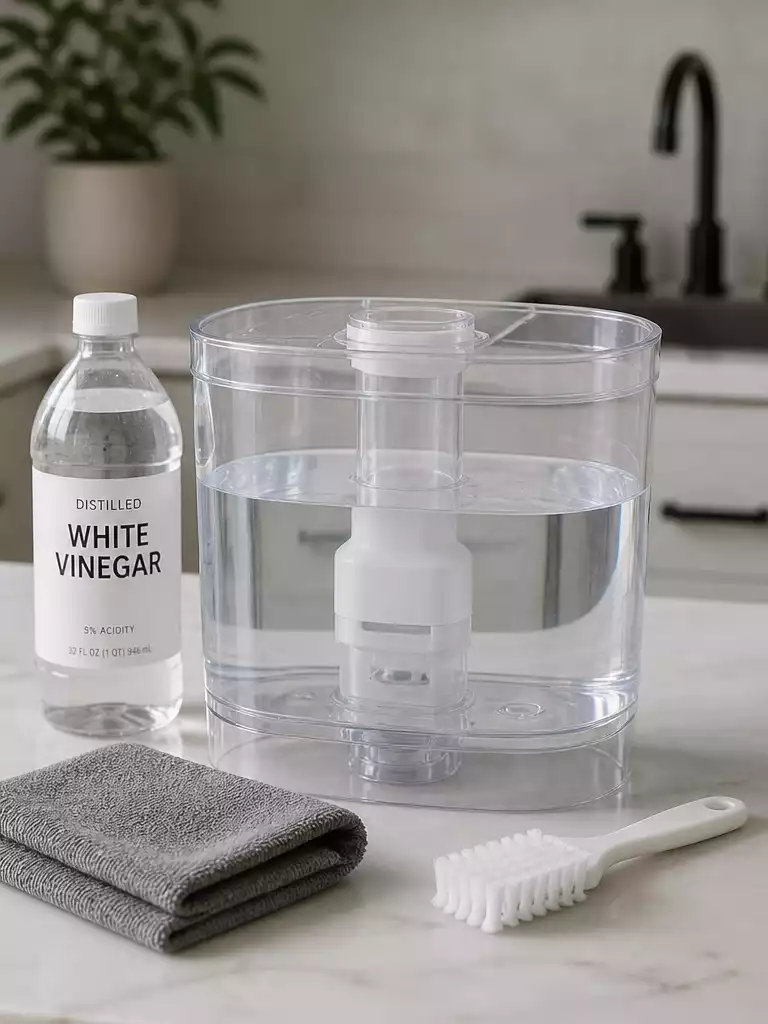
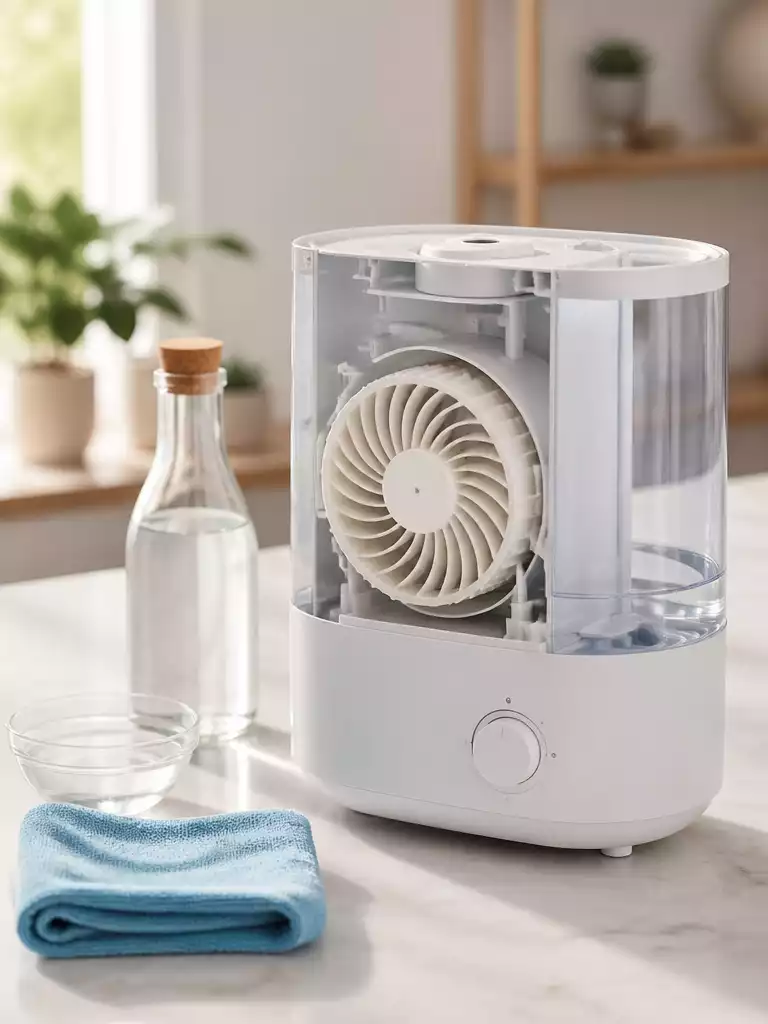
- Regularly clean your humidifier with vinegar or hydrogen peroxide.
- Always use distilled or filtered water to minimize mineral buildup.
- Keep humidity levels between 30% and 50% to discourage mold growth.
- Empty and dry the tank daily.
By following these strategies, you can enhance air quality and improve your humidifier’s efficiency. Remember, consistent maintenance is key to preventing that pesky pink residue!
Quick Action Checklist for Humidifier Maintenance
To help you stay on top of your humidifier care, I’ve created a handy printable checklist for daily, weekly, and monthly tasks:
| Frequency | Task |
|---|---|
| Daily | Empty the tank and refill with distilled or filtered water. |
| Weekly | Clean the humidifier with vinegar or hydrogen peroxide. |
| Monthly | Replace filters and check for any signs of wear or damage. |
Following this checklist ensures that your humidifier stays in top shape and helps you avoid any unexpected pink mold issues!
Frequently Asked Questions About Pink Residue in Humidifiers
- Q: What is pink mold in humidifiers?
- A: Pink mold is not a true mold but rather a bacterium called Serratia marcescens. It typically appears as a slimy, pink film and thrives in warm, moist environments like humidifiers.
- Q: What causes pink residue to form in humidifiers?
- A: Pink residue is primarily caused by standing water, high humidity levels, and a lack of regular maintenance. These conditions create an ideal breeding ground for the Serratia marcescens bacteria.
- Q: Can pink mold affect my health?
- A: While often harmless for healthy individuals, Serratia marcescens can contribute to health issues, especially for those with respiratory conditions or compromised immune systems. It’s best to prevent its growth to maintain good indoor air quality.
- Q: How can I prevent pink mold in my humidifier?
- A: To prevent pink mold, regularly clean your humidifier with vinegar or hydrogen peroxide, use distilled or filtered water, maintain humidity levels between 30% and 50%, and empty and dry the tank daily.
- Q: How often should I clean my humidifier?
- A: It’s recommended to empty and refill the tank daily, clean the humidifier weekly with vinegar or hydrogen peroxide, and replace filters monthly.
Encouraging Healthy Humidifier Habits
I’d love to hear from you! Share your experiences and any tips you’ve discovered for preventing pink mold in your humidifier. Your insights can help others maintain a healthy indoor environment! Together, we can foster a community focused on clean air and better health.
Recap of Key Points
Here is a quick recap of the important points discussed in the article:
- Regularly clean your humidifier with vinegar or hydrogen peroxide to prevent pink mold.
- Use distilled or filtered water to minimize mineral buildup and reduce bacterial growth.
- Maintain humidity levels between 30% and 50% to discourage mold and bacteria proliferation.
- Empty and dry the tank daily to eliminate standing water that fosters bacterial growth.
- Be proactive about regular maintenance to enhance air quality and humidifier efficiency.
Pingback: Dehumidifier Fan Motor Repair