
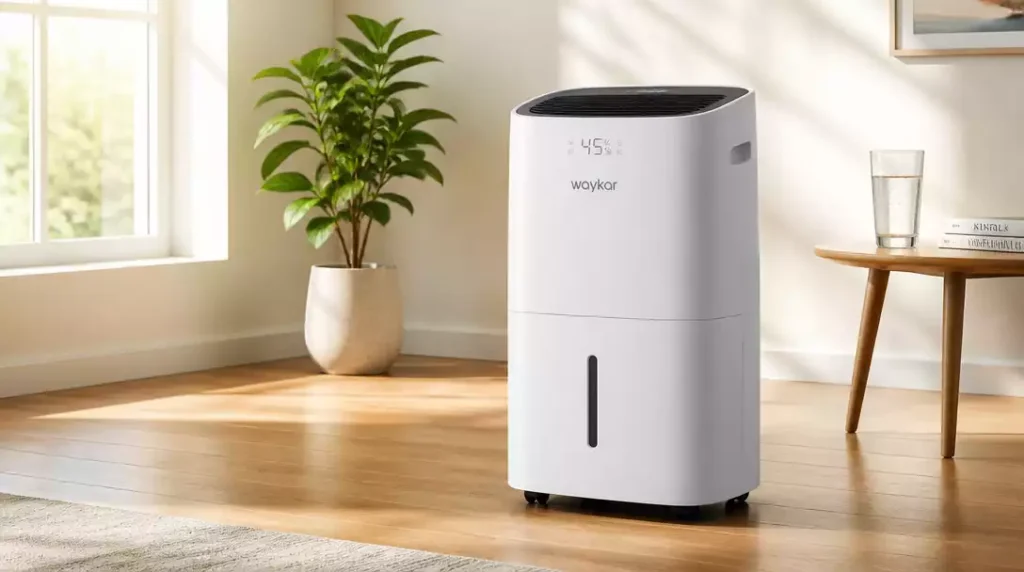
What You Will Learn
- Common reasons why your dehumidifier may not turn on, including power supply issues and full water buckets.
- Tips for troubleshooting water collection problems, such as ensuring your unit is the correct size and checking for airflow blockages.
- Understanding the causes of frost build-up in dehumidifiers and how to prevent it by maintaining proper temperature and airflow.
- How to identify and repair leaks in your dehumidifier, focusing on checking seals and drains.
- Preventive maintenance tips that can extend the lifespan of your dehumidifier, such as regular cleaning and seasonal checks.
- The importance of decoding error codes specific to your dehumidifier model for effective troubleshooting.
Common Dehumidifier Problems
Dehumidifiers can be a lifesaver, especially when humidity levels soar. However, like any appliance, they can run into problems. In this section, I’ll walk you through some common issues you may encounter and how to tackle them effectively.
Identifying Issues: Why Your Dehumidifier Won’t Turn On
If your dehumidifier isn’t turning on, it can be frustrating. There are several reasons this could happen. Let’s take a look at some common causes and quick fixes you can try!
Common Causes and Quick Fixes
- Power Supply Issues: Check if it’s plugged in correctly or if there’s a blown fuse.
- Full Water Bucket: Many models won’t start if the water bucket is full or not seated properly.
- Dirty Filters: Clogged filters can hinder performance, so make sure to clean or replace them regularly.
Taking these steps can often resolve the issue quickly. If you’ve tried these fixes and it still won’t turn on, don’t worry! There are other steps to consider. If you’re experiencing issues with your specific brand, you might find solutions in our guide on Whirlpool Dehumidifier Repair.
When to Seek Professional Help
Sometimes, the problem is beyond simple fixes. If you notice unusual sounds, persistent error codes, or physical damage, it may be time to call in an expert. A professional can diagnose deeper electrical issues that might be at play.
Troubleshooting: Addressing Water Collection Issues
One major concern with dehumidifiers is when they fail to collect water effectively. It’s essential to understand why this happens and how to fix it. Here are some common reasons for inadequate water collection.
Possible Reasons Your Dehumidifier Isn’t Collecting Water
- Environmental Factors: High outside temperatures can affect performance.
- Improper Size: Ensure your dehumidifier is suitable for the size of the space.
- Blocked Airflow: Check for obstructions around the unit that could impede airflow.
Identifying the cause of water collection issues is crucial for effective troubleshooting. Once you pinpoint the issue, you can take meaningful steps to rectify it!
Step-by-Step Solutions to Improve Water Collection
To enhance water collection, start by adjusting the settings on your dehumidifier based on humidity levels. Regularly cleaning the filter and ensuring the unit is placed in a location where it can freely circulate air are also key steps. If you notice that water collection has improved, great job! If not, let’s consider other factors.
Understanding the Importance of the Condensate Drain
If your dehumidifier is equipped with a condensate drain, it’s essential to ensure it’s functioning correctly. A blocked drain can lead to overflow, affecting the unit’s performance. Regularly check and clear the drain to keep things running smoothly!
Resolving Freezing and Frost Build-Up
Encountering frost on your dehumidifier can be a real hassle. It often indicates underlying issues that need addressing. In the following paragraphs, we’ll explore the causes and solutions.
Understanding the Causes of Frost in Dehumidifiers
- Low Temperatures: Most dehumidifiers are not designed to operate in low-temperature conditions.
- Insufficient Airflow: Poor airflow can lead to freezing, so keep filters clean!
- Humidity Levels: Extremely high humidity can cause the unit to freeze up.
Recognizing these causes can help you react promptly. If your unit is freezing, try adjusting the temperature and humidity settings first.
How to Fix Frosting Issues Efficiently
To combat frosting, it’s crucial to ensure your dehumidifier is in a suitable environment. Moving it to a warmer room or adjusting the fan speed can often solve the problem. If the issue persists, consider reaching out to a professional for assistance.
The Role of Temperature Control in Frost Formation
Temperature controls play a vital role in preventing frost formation. Keeping your unit in an environment where temperature is regulated can make a significant difference. Always check the manufacturer’s guidelines for optimal performance!
Handling Leaks: What to Check and Repair
Leaks in your dehumidifier can be a sign of trouble. It’s essential to identify where the leak is coming from and how to fix it to ensure your appliance works efficiently.
Identifying Sources of Leaks in Your Dehumidifier
- Water Bucket Seal: Check if the water bucket is sealing properly.
- Condensate Drain: A clogged or damaged drain could be causing leaks.
- Hoses and Connections: Inspect all hoses and fittings for damage or loosening.
Knowing these common sources can save you time and frustration. If you’ve located the leak, it’s time to get to work!
Repair Steps to Take for Common Leak Problems
Start by tightening all connections and ensuring that the drain is clear. If the water bucket or seals are damaged, consider replacing them. Taking these steps can help you avoid further leaks in the future!
Understanding Leakage in Relation to the Drainage System
Understanding how the drainage system works is vital. If there’s a problem with the drainage, it could lead to water pooling, causing leaks. Keep an eye on the drainage system and perform regular checks to ensure everything operates smoothly.
Dealing with Noisy Operation Issues
Lastly, let’s talk about noise. A noisy dehumidifier can be more than just annoying; it can indicate other issues at play. Let’s explore common noise sources and how to reduce them.
Common Noise Sources and Their Solutions
- Fan Issues: A malfunctioning fan can create excessive noise, requiring inspection or replacement.
- Vibration: Ensure the unit is on a stable surface to minimize vibrations.
- Water Sounds: Gurgling noises are normal; however, loud sounds may indicate blockages.
Addressing these sounds quickly can prevent further damage and enhance your dehumidifier’s lifespan. For more detailed information on fan issues, see our guide on Dehumidifier Fan Motor Repair.
Preventive Maintenance Tips to Reduce Noise
Regular maintenance can minimize noise levels. Make sure to keep the fan clean and lubricate moving parts as needed. A little preventive care goes a long way!
Importance of the Fan Motor in Noise Reduction
The fan motor is essential for smooth operation. If you notice increased noise even after maintenance, consider having a technician check the motor. Proper functioning of the fan motor is key to quieter operation!
Pro Tip
Did you know? Regularly monitoring the humidity levels in your space can significantly enhance your dehumidifier’s performance. Aim to keep humidity levels between 30-50% for optimal comfort and efficiency. Investing in a hygrometer can help you track these levels accurately!
Frequently Asked Questions About Dehumidifiers
- Q: Why won’t my dehumidifier turn on?
- A: Common reasons include power supply issues (check plug, fuse), a full or improperly seated water bucket, or dirty/clogged filters. Address these first before seeking professional help.
- Q: What should I do if my dehumidifier isn’t collecting water?
- A: Check for environmental factors (high temperatures), ensure the unit is the correct size for the space, and verify there are no airflow blockages. Adjust settings based on humidity levels and regularly clean the filter.
- Q: Why is my dehumidifier freezing or building up frost?
- A: This often occurs due to low operating temperatures, insufficient airflow (dirty filters), or extremely high humidity levels. Move the unit to a warmer room, clean filters, and adjust fan speed or humidity settings.
- Q: How can I fix a leaking dehumidifier?
- A: Inspect the water bucket seal, check the condensate drain for clogs or damage, and examine all hoses and connections for loosening or damage. Tighten connections and replace damaged seals or hoses as needed.
- Q: What causes a dehumidifier to be noisy, and how can I reduce it?
- A: Noise can stem from fan issues, vibrations (ensure stable surface), or blockages in the water drainage system. Regular cleaning of the fan, lubrication of moving parts, and ensuring stable placement can help reduce noise.
- Q: How often should I clean my dehumidifier’s filters?
- A: It’s recommended to check filters at least once a month, especially during peak usage seasons. Wash them with mild soap and warm water, and replace them every 6-12 months as recommended by the manufacturer.
- Q: What should I do if my dehumidifier displays an error code?
- A: Consult your user manual to understand what the code signifies. Keep track of codes for prompt action. Online resources and forums specific to your model can also provide valuable troubleshooting insights.
Maintaining Your Dehumidifier for Longevity
Keeping your dehumidifier in top shape is essential for ensuring it operates effectively over the long term. Regular maintenance not only prolongs the lifespan of the unit but also improves its efficiency. Here are some key preventive maintenance tips to help you avoid future issues:
- Clean the filters regularly to ensure maximum airflow.
- Inspect and clean the condensate drain to prevent clogs.
- Check the coils for dust and dirt build-up that can hinder performance.
By incorporating these simple tasks into your routine, you can enhance your dehumidifier’s performance and reduce the likelihood of costly repairs in the future. Just a little attention goes a long way!
Preventive Maintenance Tips to Avoid Future Issues
Regular cleaning and filter replacement are crucial aspects of maintaining your dehumidifier. I always recommend checking the filters at least once a month, especially during peak usage seasons. A clogged filter can lead to decreased airflow and increased energy consumption, which isn’t ideal!
- Remove and wash the filter with mild soap and warm water.
- Replace the filter as recommended by the manufacturer, typically every 6-12 months.
Additionally, seasonal checks are vital. Before the humid months roll in, take some time to inspect your unit. This proactive approach means you’ll catch potential problems before they escalate! For more tips on maintaining your unit, consider our comprehensive guide on How to Clean a Dehumidifier.
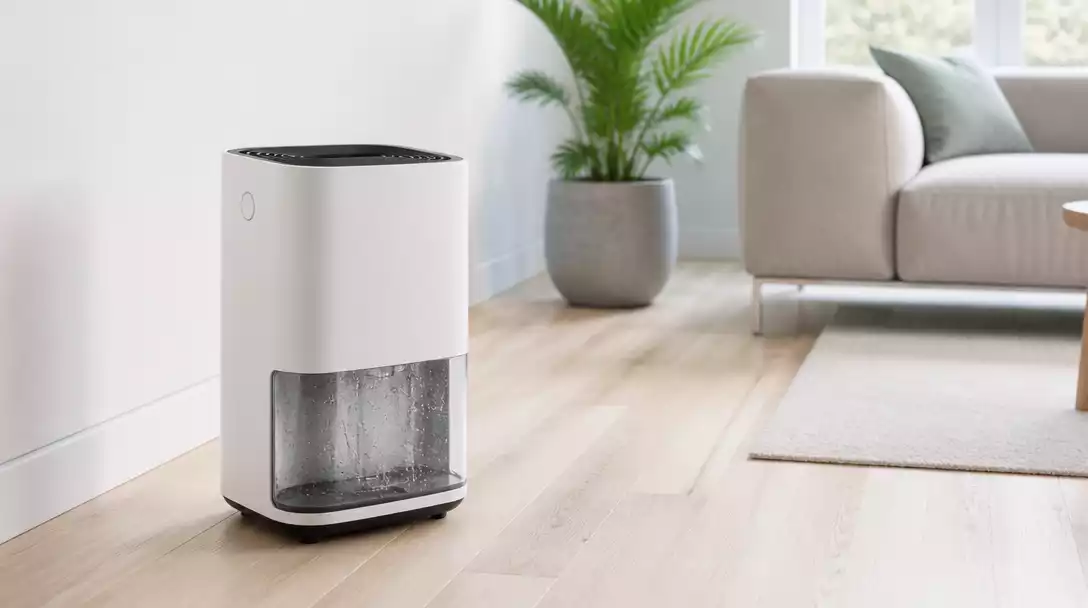
Regular Cleaning and Filter Replacement
In my experience, many of my clients overlook the importance of regular cleaning. Dust and allergens can accumulate quickly, affecting not only the dehumidifier’s efficiency but also your indoor air quality. Make it a habit to clean the exterior of the unit as well, wiping down surfaces and ensuring vents are clear.
Seasonal Checks and Maintenance Protocols
Setting a seasonal schedule for maintenance is a great way to stay organized. For instance, before summer kicks in, run a full test of your unit. Check for any unusual noises or performance issues. If you’re not comfortable doing this alone, I’m always available to help!
The Importance of Performance Testing for Optimal Function
Testing the performance of your dehumidifier regularly helps to ensure it’s working as it should. Monitoring humidity levels with a hygrometer can give you an idea if your unit is maintaining the desired balance. If the humidity levels remain high despite the unit running, it might be a sign that something needs attention.
Understanding Error Codes and Model-Specific Diagnostics
Most modern dehumidifiers come equipped with error codes that can help you troubleshoot issues quickly. Knowing how to decode these can save you a lot of time and frustration!
- Read your user manual to familiarize yourself with common codes.
- Keep track of any error codes that appear, so you can address them promptly.
- Look for online resources or forums specific to your model for additional insights.
Utilizing these resources can make a significant difference in resolving problems effectively. And remember, I’m just a call away if you need guidance!
How to Decode Common Dehumidifier Error Codes
Familiarizing yourself with common error codes can equip you with the knowledge needed to handle minor issues. For example, an E1 code might indicate a humidity sensor problem. Knowing what these codes mean can help you decide whether you can fix it yourself or if it’s time to call in a professional.
Resources for Model-Specific Troubleshooting
Finding resources tailored to your specific dehumidifier model can be extremely beneficial. Most manufacturers offer detailed troubleshooting guides online. In addition, customer forums and websites can also provide insights based on real user experiences.
Utilizing the User Manual for Effective Problem Solving
Your user manual is a treasure trove of information. It contains detailed troubleshooting steps, maintenance tips, and specific instructions that are tailored to your unit. Keep it handy, and refer to it whenever you encounter an issue.
Recap of Key Points
Here is a quick recap of the important points discussed in the article:
- Check power supply and water bucket status if the dehumidifier won’t turn on.
- Regularly clean filters and inspect airflow to enhance water collection.
- Identify and repair leaks by inspecting seals, drains, and hoses.
- Address noise issues by maintaining the fan and ensuring stable placement.
- Perform regular maintenance, such as cleaning filters and checking the condensate drain.
- Familiarize yourself with error codes for efficient troubleshooting.

Pingback: Dehumidifier Compressor Not Working
Pingback: Frigidaire Dehumidifier Not Working
Pingback: Honeywell Dehumidifier Not Working