
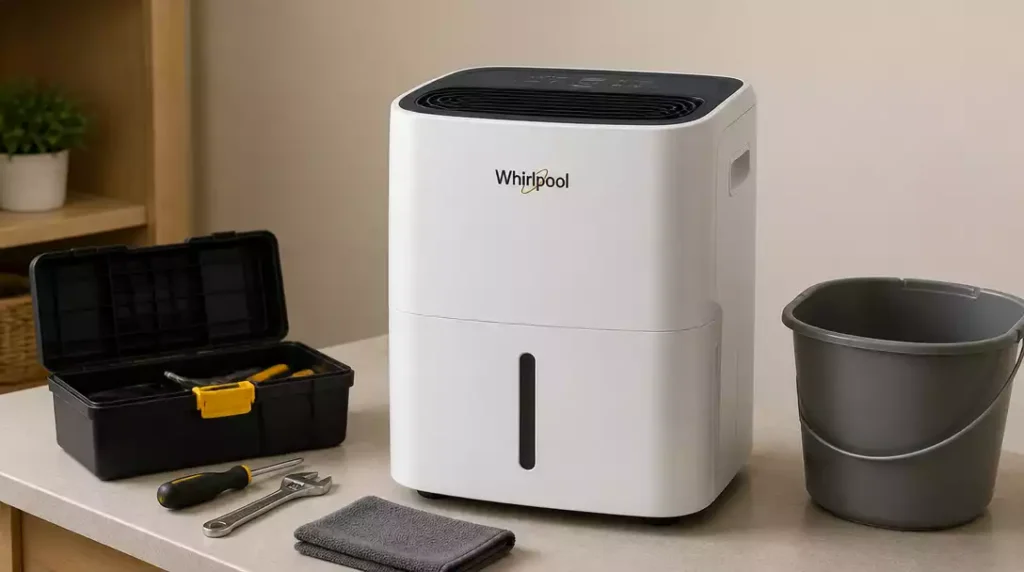
Have you ever wondered why your Whirlpool dehumidifier is underperforming? Understanding the common issues can save you time and frustration when troubleshooting. Here’s what you need to know.
What You Will Learn
- Common symptoms of malfunctioning Whirlpool dehumidifiers include no power, inadequate water collection, and strange noises.
- Key components such as the fan motor, humidistat, and float switch play essential roles in the unit’s operation.
- Step-by-step troubleshooting can help identify issues, like checking power sources and inspecting the water bucket.
- Using OEM parts for repairs ensures compatibility and maintains warranty coverage.
- Regular maintenance, such as cleaning filters and checking drain hoses, is crucial for optimal performance and energy efficiency.
Common Issues and Symptoms of Your Whirlpool Dehumidifier
If your Whirlpool dehumidifier isn’t performing as expected, it can be frustrating. I’ve seen many common failure symptoms that can help you identify what’s going wrong. These include no power, insufficient humidity removal, and even strange noises coming from the unit. Let’s explore these issues further.
Understanding why your dehumidifier is acting up will save you time and effort. For instance, if it’s not turning on at all, it could be a simple power issue. On the other hand, if it’s running but not collecting water, your unit might be struggling with humidity levels. Let’s dig into these signs!
Identifying Why Your Whirlpool Dehumidifier is Not Working
There are several signs that indicate your dehumidifier might not be functioning correctly. Here’s a quick list of common symptoms to watch for:
- No power or lights on the control panel
- Water bucket not filling or overflowing
- Unit runs continuously without stopping
- Unusual noises like clanking or humming
Each symptom can point you in the direction of the underlying issue. For example, if the bucket isn’t filling, it might suggest a problem with the float switch, while continuous operation could indicate a faulty humidistat. The more you know, the better equipped you are to troubleshoot! If you’re dealing with similar issues on a different brand, our guide on Toshiba dehumidifier repair offers additional insights.
Diagnosing Specific Problems: Troubleshooting Techniques
Let’s get into step-by-step troubleshooting for the most common dehumidifier problems. If your unit is not collecting water, here are a few things to check:
- Ensure the water bucket is in place correctly.
- Check the drain hose for clogs or kinks.
- Inspect the humidistat settings to make sure they are appropriate.
- Look for ice buildup on the coils, which could signal a refrigerant issue.
If your dehumidifier runs continuously, it might not be detecting the correct humidity level. Adjusting the settings or checking the humidistat could be a good start. Remember, diagnosing these specific issues can save you from unnecessary repairs!
Essential Components of Your Whirlpool Dehumidifier and Their Roles
To effectively troubleshoot and repair your Whirlpool dehumidifier, it’s important to understand its key components. Each part plays a vital role in the unit’s overall performance.
For instance, the fan motor is crucial for airflow, while the humidistat measures humidity levels. Knowing how these components work will help you identify potential issues more quickly!
Key Parts That Affect Performance: Understanding Each Component
Let’s break down some of the essential parts that impact your dehumidifier’s efficiency:
- Fan Motor: Circulates air through the unit. For more in-depth information on fan motor issues, check out our guide on dehumidifier fan motor repair.
- Humidistat: Controls the humidity level and turns the unit on/off.
- Float: Prevents overflow by shutting off the unit when the bucket is full.
- Bucket Switch: Detects when the bucket is removed.
- Water Level Switch: Monitors the water level in the bucket.
Understanding these components will make it easier to pinpoint where things might be going wrong. If one part fails, it can affect the entire system, so keeping an eye on these key players is essential!
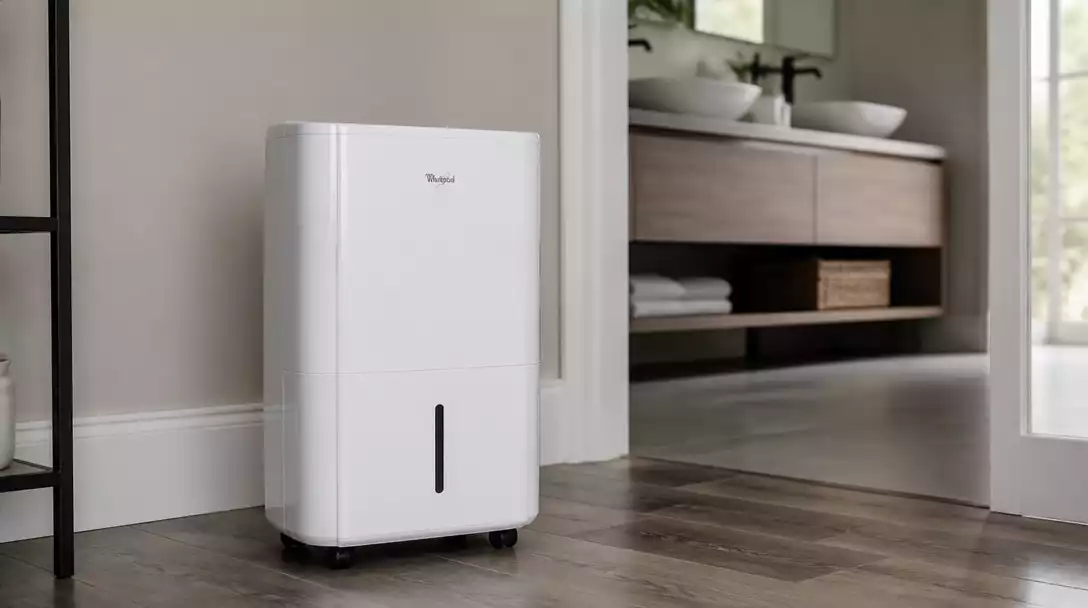
The Role of the Compressor and Drain Hose in Efficient Dehumidification
The compressor and drain hose are vital for effective moisture removal. The compressor helps to regulate the refrigerant that cools the air, while the drain hose allows the collected water to flow out of the unit. If either of these components malfunctions, you might notice a decline in performance.
For example, a clogged drain hose can lead to water backing up and spilling over, causing damage. Regular checks and maintenance of these parts can prevent many common issues!
OEM Parts and Their Importance: Replacing vs. Repairing
When it comes to repairing your dehumidifier, sourcing genuine OEM parts is crucial. Here’s why:
- Quality Assurance: OEM parts are designed for your specific model.
- Better Compatibility: They fit and function as intended, reducing the risk of further issues.
- Warranty Protection: Using OEM parts helps maintain your warranty coverage.
While it might be tempting to opt for aftermarket parts due to lower prices, the long-term benefits of using genuine Whirlpool parts far outweigh the initial savings. Trust me, your dehumidifier will thank you for it!
Pro Tip
Did you know? Regularly checking and cleaning the air filter in your Whirlpool dehumidifier can significantly enhance its efficiency and prolong its lifespan. A clogged filter can restrict airflow, leading to reduced performance and higher energy costs. Make it a habit to inspect the filter every few months!
Frequently Asked Questions About Whirlpool Dehumidifier Repair
Here are some common questions about troubleshooting and repairing Whirlpool dehumidifiers:
- Q: Why is my Whirlpool dehumidifier not collecting water?
- A: This can be due to a few reasons: the water bucket might not be seated correctly, the drain hose could be clogged or kinked, the humidistat settings might be too high, or there could be ice buildup on the coils indicating a refrigerant issue.
- Q: What does it mean if my dehumidifier runs continuously?
- A: Continuous operation often suggests that the unit is not accurately detecting the humidity level in the room, or it’s struggling to reach the set humidity. Check your humidistat settings and consider if the room size is appropriate for your unit’s capacity.
- Q: How often should I clean my Whirlpool dehumidifier’s air filter?
- A: It’s recommended to clean or replace the air filter every few months, or more frequently if the dehumidifier is used in a dusty environment. Regular cleaning improves efficiency and extends the lifespan of the unit. You can find a comprehensive guide on how to clean a dehumidifier for detailed steps.
- Q: Is it important to use OEM parts for repairs?
- A: Yes, using OEM (Original Equipment Manufacturer) parts is highly recommended. OEM parts ensure compatibility, maintain the quality and performance of your dehumidifier, and help preserve your warranty coverage. Aftermarket parts may be cheaper but can lead to further issues.
- Q: What are the main components that affect dehumidifier performance?
- A: Key components include the fan motor (for airflow), the humidistat (for humidity control), the float and bucket switch (for water level management), the compressor (for cooling and moisture removal), and the drain hose (for water disposal). A malfunction in any of these can impact overall performance.
Summarizing Essential Steps for Effective Whirlpool Dehumidifier Repair
Let’s recap the main troubleshooting and repair strategies we’ve covered for your Whirlpool dehumidifier. It’s crucial to have a clear guide to tackle common issues effectively!
We started by identifying the typical problems you might face, such as your unit not powering on or running continuously. Then, we moved to step-by-step troubleshooting techniques that empower you to diagnose and fix these issues.
- Check power sources for any disruptions.
- Inspect the water bucket and float switch for obstructions.
- Test the humidistat to ensure accurate readings.
- Evaluate the compressor and drain hose functionality.
- Utilize OEM parts for reliability in repairs.
These steps should serve as a handy reference whenever you encounter problems with your dehumidifier!
Taking Action: Resources for Further Assistance and Parts Ordering
If you find yourself needing additional help, don’t hesitate to reach out to professional services. Alternatively, ordering parts online has never been easier!
Here are some trusted suppliers that I recommend for high-quality components:
These sites offer a wide selection of OEM Whirlpool parts, ensuring you get the right fit for your model!
Maintenance Tips for Long-Lasting Performance and Energy Efficiency
To keep your Whirlpool dehumidifier running smoothly and efficiently, regular maintenance is key. Here are some best practices to ensure longevity:
- Clean or replace the air filter every few months.
- Drain the water bucket regularly to prevent overflow.
- Keep the unit and surrounding area clean and dust-free.
- Check the drain hose for any clogs or kinks.
- Store your dehumidifier in a dry place during off-seasons.
Implementing these tips can help you prevent common issues and improve energy efficiency, saving you money in the long run!
Recap of Key Points
Here is a quick recap of the important points discussed in the article:
- Identify common symptoms of dehumidifier issues, such as no power or continuous running.
- Utilize step-by-step troubleshooting techniques to diagnose problems effectively.
- Understand essential components like the fan motor, humidistat, and compressor for better maintenance.
- Opt for OEM parts to ensure quality and compatibility during repairs.
- Regular maintenance, such as cleaning filters and checking hoses, enhances performance and energy efficiency.
Pingback: How to Fix a Dehumidifier