Understanding why your dehumidifier’s compressor may not be functioning can save you time and frustration. By identifying common symptoms and conducting initial checks, you can troubleshoot effectively. Here are the key insights you will gain:
What You Will Learn
- Recognize signs of a non-operating compressor, such as no water in the bucket after a full day of use.
- Distinguish between normal compressor cycling and malfunctions to avoid unnecessary concerns.
- Perform initial checks, including verifying power supply and circuit breaker status, to rule out basic issues.
- Ensure the collection bucket is properly positioned and that the safety switch is functioning to prevent operational failures.
- Engage in proactive maintenance, including regular inspections and cleaning of air filters to extend the life of your dehumidifier.
Understanding the Issue: Why Your Dehumidifier Compressor May Not Be Working
When your dehumidifier stops collecting water, it can be quite frustrating! I’ve seen many customers confused about why their unit is not performing as expected. In this section, we’ll explore the common symptoms that indicate a malfunctioning compressor and what initial checks you can make before diving deeper into troubleshooting.
Common Symptoms of a Non-Operating Compressor
Identifying Signs Your Dehumidifier is Not Collecting Water
If your dehumidifier is running but not collecting water, there are some clear signs to watch for. Common indicators include:
- No water in the collection bucket after a full day of operation.
- The unit running continuously without reaching the desired humidity level.
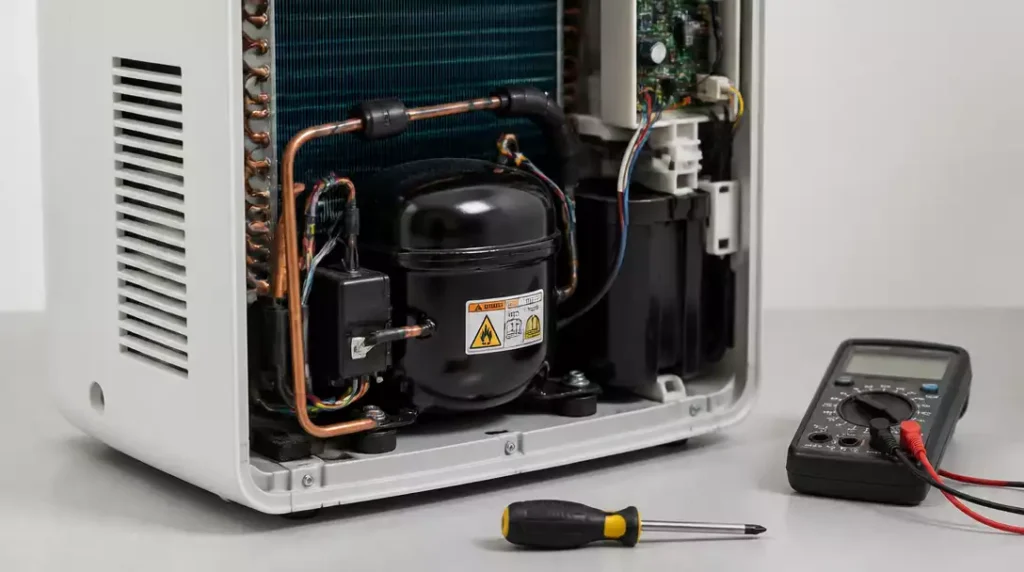
- Strange noises coming from the compressor that seem abnormal.
These symptoms often indicate that the compressor is not functioning properly. If you notice one or more of these signs, it’s time to investigate further, perhaps learning how to fix a dehumidifier yourself!
Understanding Compressor Cycling vs. Malfunctioning
It’s important to differentiate between normal cycling and a malfunctioning compressor. Sometimes, your dehumidifier may seem to turn on and off frequently—this can be a sign of cycling due to humidity levels and is totally normal.
- Compressor cycling is typically rapid and aligns with the unit’s settings.
- A malfunctioning compressor, however, may not cycle at all or may run erratically.
Pay attention to how often your unit runs; if it’s not following expected patterns, it may be time to troubleshoot!
Initial Checks Before Troubleshooting
Ensuring Power Supply and Circuit Breaker Status
The first step when diagnosing a dehumidifier issue is to check the power supply. Make sure the unit is plugged in securely and that the outlet is functioning. You can test the outlet by plugging in another device.
- Check if the circuit breaker has tripped.
- Ensure that the power cord is not damaged.
- Look for any blown fuses in the electrical system.
These initial checks can often save you time and effort, helping you determine if the problem lies in the power supply.
Checking the Bucket Position and Safety Switch
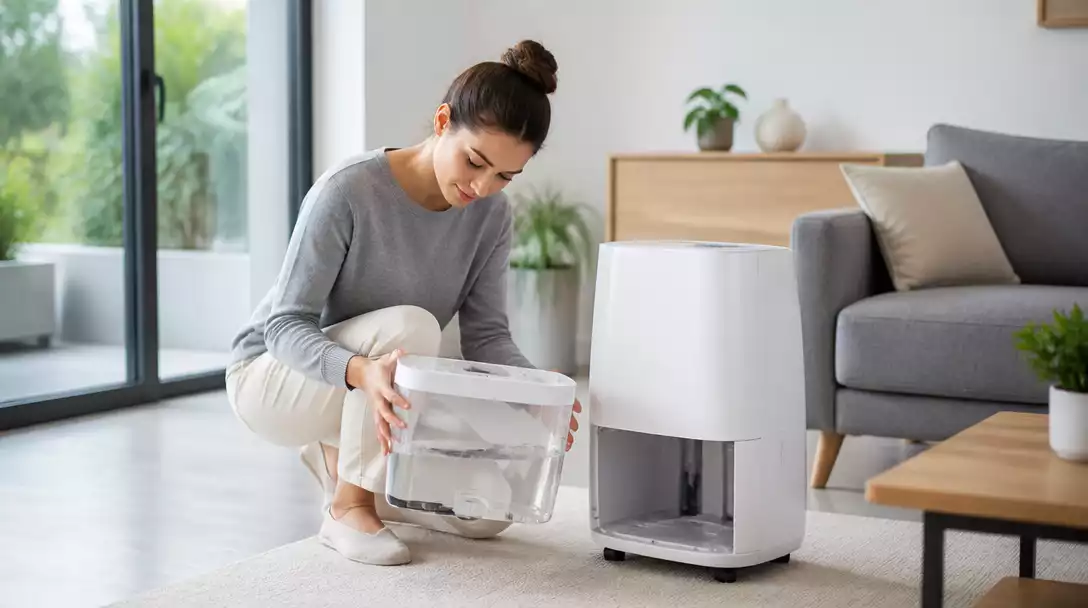
Another simple yet crucial check is to ensure that the collection bucket is positioned correctly. Many dehumidifiers have a safety switch that prevents operation if the bucket is not seated properly.
- Remove and reinsert the bucket to ensure it’s snug.
- Check for any obstructions that might prevent proper placement.
- Inspect the safety switch to confirm it’s functioning.
By verifying these aspects, you can rule out basic issues before moving on to more complicated diagnostics. Remember, sometimes the simplest solutions are right in front of us!
Pro Tip
Did you know? Regularly checking and cleaning the condenser coils can significantly improve your dehumidifier’s efficiency. Dust and debris can accumulate, causing the compressor to work harder and potentially leading to malfunctions. Make it a part of your monthly maintenance routine!
Frequently Asked Questions About Dehumidifier Compressor Issues
- Q: How can I tell if my dehumidifier’s compressor is not working?
- A: Common signs include the unit running continuously without collecting water, no water in the collection bucket after a full day, and unusual noises coming from the compressor.
- Q: Is it normal for my dehumidifier to cycle on and off frequently?
- A: Yes, frequent cycling can be normal if it aligns with the unit’s settings and humidity levels. A malfunctioning compressor, however, might not cycle at all or behave erratically.
- Q: What are the first steps I should take if my dehumidifier isn’t collecting water?
- A: Start by checking the power supply, ensuring the unit is securely plugged in, the outlet works, and the circuit breaker hasn’t tripped. Also, verify that the collection bucket is correctly positioned, as a safety switch might prevent operation if it’s not.
- Q: Why is regular maintenance important for my dehumidifier?
- A: Regular maintenance, such as cleaning air filters and inspecting the unit, prevents dust and debris buildup. This improves efficiency, reduces strain on the compressor, and extends the lifespan of your dehumidifier.
- Q: When should I consider calling a professional for dehumidifier repair?
- A: If you’ve performed initial checks and troubleshooting, but the issue persists, or if you suspect more complex problems like refrigerant leaks or electrical component failures, it’s best to call a professional.
Next Steps: Ensuring Your Dehumidifier Works Effectively
After going through the troubleshooting process, it’s essential to keep your dehumidifier running smoothly. Let’s recap the key insights we’ve gathered about compressor issues, so you can have a clearer perspective moving forward. Remember, a well-functioning dehumidifier not only improves air quality but also protects your home from moisture-related problems!
Recap of Troubleshooting Insights
We’ve discussed various symptoms and checks, but let’s put together the most important takeaways for diagnosing compressor issues:
- Check for environmental factors that may impact performance.
- Test electrical components like thermistors and control boards.
- Ensure there are no refrigerant leaks.
- Monitor room conditions; humidity and temperature play significant roles.
- Don’t hesitate to call a professional if you feel overwhelmed.
By keeping these points in mind, you can effectively manage your dehumidifier’s health and ensure optimal functioning, which is the goal we all want! If you need to understand the mechanics, consider reading up on how a dehumidifier works.
Encouraging Proactive Maintenance
Regular maintenance is the key to a long-lasting dehumidifier. I always tell my clients that a little bit of prevention goes a long way! Let’s explore some ways to keep your unit in top shape:
The Importance of Regular Checks and Cleaning
Make it a habit to conduct routine inspections of your dehumidifier. Here’s what I recommend:
- Inspect the water collection bucket for debris.
- Clean the air intake and exhaust vents.
- Check for any mold or mildew buildup inside the unit.
- Test the unit’s performance at least once a month.
By staying proactive, you can catch issues before they escalate into bigger problems!
Understanding the Role of Air Filters in Performance
Clean air filters are crucial for efficient operation. Remember, a clogged filter can reduce airflow and strain the compressor. Here’s how to ensure your air filters are doing their job:
- Check the filter monthly for dirt buildup.
- Replace or clean filters according to the manufacturer’s recommendations.
- Keep a schedule to remind yourself when to check filters.
Maintaining clean filters not only extends the life of your dehumidifier but also ensures that it works efficiently! For more detailed instructions on keeping your unit pristine, refer to our guide on how to clean a dehumidifier.
Engage with Us: Share Your Experiences and Questions
We Want to Hear From You
Your experiences matter! Have you faced issues with your dehumidifier compressor? I invite you to leave your comments and troubleshooting stories below. Sharing can help others in similar situations!
Explore Further Resources
Looking for more help? Check out these additional resources:
- Links to guides on specific dehumidifier models.
- Articles on home maintenance and moisture control.
- Product reviews from customers to guide your purchasing decisions.
We’re here to support you every step of the way. Let’s keep those dehumidifiers running smoothly together!
Recap of Key Points
Here is a quick recap of the important points discussed in the article:
- Identify common symptoms of a non-operating compressor, such as no water collection and abnormal noises.
- Differentiate between normal compressor cycling and malfunctioning behavior.
- Perform initial checks on the power supply, circuit breaker, and collection bucket position.
- Monitor environmental factors and ensure no refrigerant leaks are present.
- Engage in regular maintenance, including cleaning filters and inspecting the unit monthly.