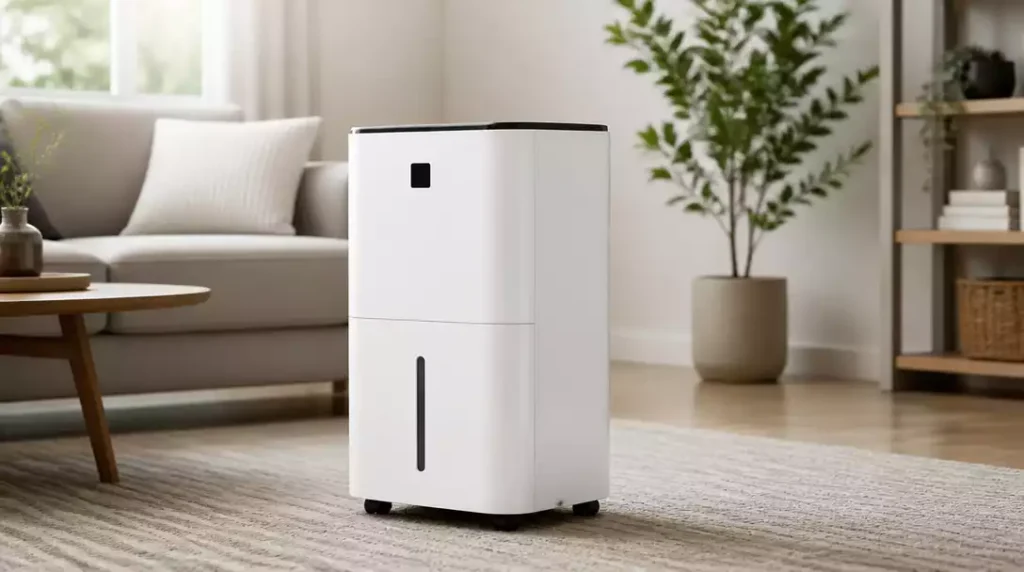
Choosing the right dehumidifier for your home isn’t just about comfort; it’s a crucial investment in your health and well-being. Have you ever considered how humidity levels can impact your daily life? Understanding these effects can empower you to create a healthier living environment.
What You Will Learn
- The importance of dehumidifiers in improving air quality and comfort at home.
- Key factors to consider when selecting a dehumidifier, including room size and humidity levels.
- How to measure square footage and assess humidity accurately for optimal dehumidifier selection.
- Essential features to look for in a dehumidifier based on your specific needs, like drainage options and noise levels.
- The value of utilizing comparison tools and expert consultations in making an informed purchase.
Understanding the Importance of Choosing the Right Dehumidifier
Choosing the right dehumidifier can significantly impact your home environment! The right device not only improves air quality but also creates a more comfortable living space. A dehumidifier plays a crucial role in managing moisture levels, thereby preventing the negative effects of excess humidity.
When you think about home comfort, it’s easy to overlook how humidity affects our daily lives. Poor humidity control can lead to a damp atmosphere that may damage furniture, create musty odors, and even cause paint to peel! Making an informed choice about your dehumidifier ensures that your home remains a cozy haven.
Why a Dehumidifier Matters for Your Home Environment
In today’s climate, having a dehumidifier isn’t just a luxury; it’s a necessity. Here are some reasons why a dehumidifier is important:
- Improves Air Quality: Reducing moisture helps eliminate airborne allergens.
- Enhances Comfort: A comfortable humidity level keeps you feeling fresh.
- Protects Your Home: Prevents mold and mildew growth that can damage structures.
By addressing these aspects, a dehumidifier helps create a healthier and more enjoyable home atmosphere. I’ve seen firsthand how families thrive in spaces with optimal humidity levels!
Impact on Air Quality and Comfort
High humidity levels can lead to poor air quality, which can directly affect your comfort levels. Dust mites, mold spores, and other allergens thrive in damp environments. When you incorporate a dehumidifier, you’re actively reducing these irritants, leading to improved indoor air quality. This is especially essential for families with children or individuals with allergies.
It’s fascinating how something as simple as managing moisture can enhance your overall well-being. By maintaining a balance, we can enjoy a fresher and more inviting home.
Health Benefits: Reducing Allergens and Mold Growth
Installing a dehumidifier can make a world of difference when it comes to your family’s health! These devices help mitigate the risk of mold growth, which can lead to respiratory issues and allergies. By controlling humidity levels, you’re not just investing in an appliance but also in your family’s long-term health.
Many of my customers have shared stories about how their allergies improved after using a dehumidifier. It’s rewarding to see how such a small change can lead to significant health benefits!
Navigating Your Dehumidifier Options: Key Factors to Consider
Choosing the right dehumidifier involves more than just picking a model off the shelf. There are several key factors you should consider to ensure you make the best choice. Let’s break it down!
- Assess Room Size: Know the area you need to cover.
- Humidity Levels: Understand the moisture in your environment.
- Unit Type: Decide between portable and whole-home solutions.
Consider these factors carefully as they will guide you to a dehumidifier that fits your specific needs. Trust me, the right choice will make all the difference in how your space feels!
Assessing Room Size and Humidity Levels
The first step in selecting the right dehumidifier is determining the size of the room you’re working with. Here are two ways to effectively assess your needs:
- Measure Square Footage: Calculate the area by multiplying length by width.
- Check Humidity Levels: Use a hygrometer to measure the moisture in the air.
By taking these steps, you can accurately choose a dehumidifier that will work efficiently in your space. It’s always better to be informed than to make a hasty decision!
How to Measure Square Footage for Optimal Sizing
Measuring your room’s square footage is crucial! To do this, simply multiply the length and width of the room. For example, if your living room is 20 feet long and 15 feet wide, its total square footage is 300 square feet. This measurement is vital in selecting a dehumidifier that can handle the moisture load effectively.
You want to ensure that your chosen unit is capable of handling the humidity levels for the entire space. A dehumidifier that’s too small won’t be effective, while one that’s too large can over-dry the air! For a deeper understanding of how these devices operate, you might want to read how a dehumidifier works.
Understanding Humidity Levels with a Hygrometer
A hygrometer is a simple device that measures humidity levels in your home. By monitoring these levels, you can determine how much moisture is present in the air. Generally, a humidity level between 30% and 50% is comfortable.
Knowing your humidity levels helps you choose a dehumidifier that efficiently addresses your specific needs. This can greatly enhance your overall comfort and well-being.
Pro Tip
Did you know? Regularly monitoring your home’s humidity levels with a hygrometer can help you adjust your dehumidifier settings for optimal performance. By keeping humidity between 30% and 50%, you not only enhance comfort but also prevent mold and allergens, making your living space healthier!
Frequently Asked Questions About Dehumidifiers
Here are some common questions to help you further understand and choose the best dehumidifier for your needs:
- Why is choosing the right dehumidifier important?
Choosing the right dehumidifier is crucial for improving air quality, enhancing comfort, and protecting your home from mold and mildew growth, which can safeguard your health and property. - How do I determine the right size dehumidifier for my room?
To determine the right size, measure the room’s square footage by multiplying its length by its width. This measurement, along with the current humidity levels, will help you select a unit capable of effectively managing moisture in your space. - What are the health benefits of using a dehumidifier?
Dehumidifiers help reduce airborne allergens like dust mites and mold spores, mitigating the risk of respiratory issues and allergies. Maintaining optimal humidity levels contributes to a healthier indoor environment. - What key features should I look for in a dehumidifier?
Consider features such as drainage options (bucket vs. continuous drain), noise levels (check decibel ratings), and smart controls for convenience and connectivity. These features can significantly impact your user experience. - How can I ensure I’m making an informed purchase?
Utilize comparison tools and online reviews to assess different models. Consult with experts for tailored recommendations and always understand the warranty information and return policies before making a purchase.
Summarizing Your Dehumidifier Decision Journey
As we wrap up our exploration of dehumidifiers, it’s essential to focus on the key elements that will guide you in making the right choice. Your decision shouldn’t just be about the features of the dehumidifier itself but also about how well it fits into your home’s specific needs. Let’s break down the crucial takeaways that will aid you in this journey!
Key Takeaways for Making an Informed Choice
First and foremost, consider your environment and the unique conditions in your home. Different spaces may require different solutions, so take some time to assess factors like the size of your rooms and the current humidity levels. Here are some important insights:
- Always measure the square footage of your space.
- Use a hygrometer to check humidity levels regularly.
- Think about how often you’ll use the dehumidifier and during what seasons.
These considerations will set a solid foundation for your search, ensuring that the dehumidifier you choose effectively addresses the specific needs of your home.
Weighing Features Against Your Specific Requirements
Next, weigh the features of different models against your personal requirements. It’s easy to get caught up in the latest technology or fancy features, but focus on what truly matters for your comfort. Here’s a short list of features to prioritize:
- Drainage options: Do you prefer a bucket or continuous drain system?
- Noise levels: Check the decibel ratings for quieter operation.
- Smart controls: Consider how much convenience you want with connectivity.
These features can significantly affect your experience, so make sure to align them with your needs!
Next Steps: Finding the Right Dehumidifier for Your Home
Now that you’ve gathered the essential takeaways, it’s time to move forward in your dehumidifier journey. The next steps are all about utilizing available resources to find the best fit for your home. Let’s explore some useful methods!
Utilizing Comparison Tools and Resources
Comparison tools can be incredibly helpful in narrowing down your choices. By leveraging online platforms, you can quickly assess various models side by side. I always recommend checking out a few reputable websites that offer thorough comparisons!
Engaging with Online Reviews and User Testimonials
Don’t underestimate the power of online reviews! They can provide real-world insights into how dehumidifiers perform in everyday settings. Pay attention to:
- User experiences regarding noise levels.
- Durability and maintenance feedback.
- Energy efficiency ratings shared by actual users.
This firsthand information will guide you toward the most reliable options!
Consulting with Experts for Tailored Recommendations
Sometimes, chatting with an expert can make all the difference. Whether it’s a local appliance store or a specialized online consultant, having someone guide you through the choices can save you time and headaches. They can help in:
- Identifying the right type of dehumidifier for your space.
- Clarifying technical specifications and jargon.
- Finding models that fit your budget while meeting your needs.
Expert advice is invaluable, so don’t hesitate to seek it out!
Exploring Dehumidifier Brands and Best-Selling Models
With so many brands on the market, it’s crucial to understand what each offers. Let’s dive into some strategies for making informed comparisons!
Brand Comparisons: What to Look For
When comparing brands, focus on reputation and reliability. Here are some factors to consider:
- Customer service quality and responsiveness.
- Warranty terms and their length.
- The availability of replacement parts and filters.
Having a trustworthy brand can make your experience much smoother!
Understanding Warranty Information and Return Policies
Before making your purchase, ensure you fully understand the warranty and return policies. They can protect you from potential regrets! Always check:
- The duration of the warranty and what it covers.
- Conditions for returns and exchanges.
- Any additional costs associated with repairs or replacements.
Being informed about these policies will give you peace of mind as you invest in your home’s comfort.
Encouraging Smart Investments in Home Comfort
Investing in a dehumidifier is a step toward enhancing your home environment. Let’s talk about how to make this investment smart and effective!
How to Budget for Your Dehumidifier Purchase
Setting a budget for your dehumidifier purchase can prevent overspending. Consider what you can afford while keeping these factors in mind:
- Initial cost of the unit.
- Ongoing maintenance expenses, like filter replacements.
- Energy consumption and its impact on your utility bills.
Having a clear financial plan will help you avoid unexpected expenses! For tips on maintaining your unit, check out our guide on how to clean a dehumidifier.
Maximizing the Benefits of Your New Dehumidifier
Finally, once you have your new dehumidifier, make the most of it! Regular maintenance and proper usage can enhance its efficiency and lifespan. Here are my favorite tips:
- Set your humidistat to maintain optimal humidity levels.
- Clean the filters regularly for better performance.
- Monitor the water levels to avoid overflow.
With these practices, you’ll be well on your way to enjoying a comfortable and healthy home! For more detailed instructions on operation, consider reading our article on how to use a dehumidifier effectively.
Recap of Key Points
Here is a quick recap of the important points discussed in the article:
- Choosing the right dehumidifier improves air quality and comfort in your home.
- Assess room size and humidity levels to select the most effective unit.
- Regularly monitor humidity levels with a hygrometer for optimal performance.
- Consider essential features like drainage options, noise levels, and smart controls.
- Engage with online reviews and expert advice to make informed decisions.
- Understand warranty information and return policies before purchasing.
- Budget for both the initial cost and ongoing maintenance of your dehumidifier.
- Maintain your dehumidifier with regular cleaning and monitoring to maximize benefits.