Did you know that maintaining the right humidity levels can significantly improve your comfort and health at home? Discover how dehumidifiers can transform your living environment!
What You Will Learn
- Dehumidifiers help reduce and maintain optimal humidity levels, improving overall comfort and health.
- They are essential in preventing mold, mildew, and allergens, contributing to a healthier indoor environment.
- Understanding humidity levels (ideal range: 30%-50%) is crucial for maintaining a comfortable home.
- Running your dehumidifier during peak humidity times maximizes its effectiveness and ensures consistent comfort.
- Utilizing a dehumidifier can aid in drying laundry indoors and preventing mold in susceptible areas.
- Choosing Energy Star-rated models can optimize energy efficiency while effectively managing humidity.
- Combining dehumidifiers with air purifiers enhances air quality, especially for those with allergies or respiratory issues.
Understanding the Basics of Dehumidifiers
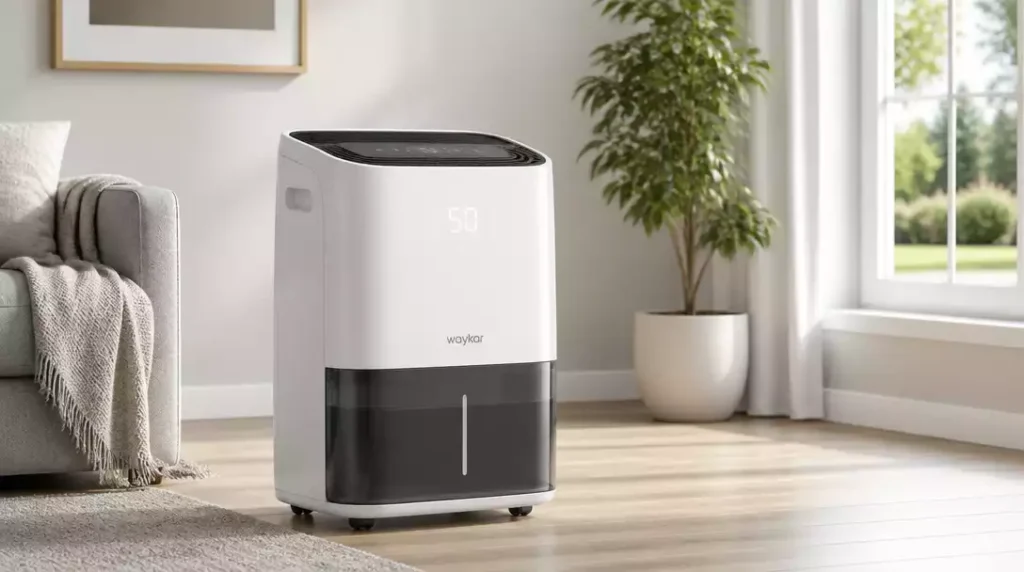
When it comes to creating a comfortable living environment, dehumidifiers play a crucial role. But what exactly are they? Simply put, dehumidifiers are appliances designed to reduce and maintain humidity levels in the air. They work by drawing in moist air, cooling it to remove excess moisture, and then releasing drier air back into your space. This process not only makes your home more comfortable but also contributes to a healthier indoor environment!
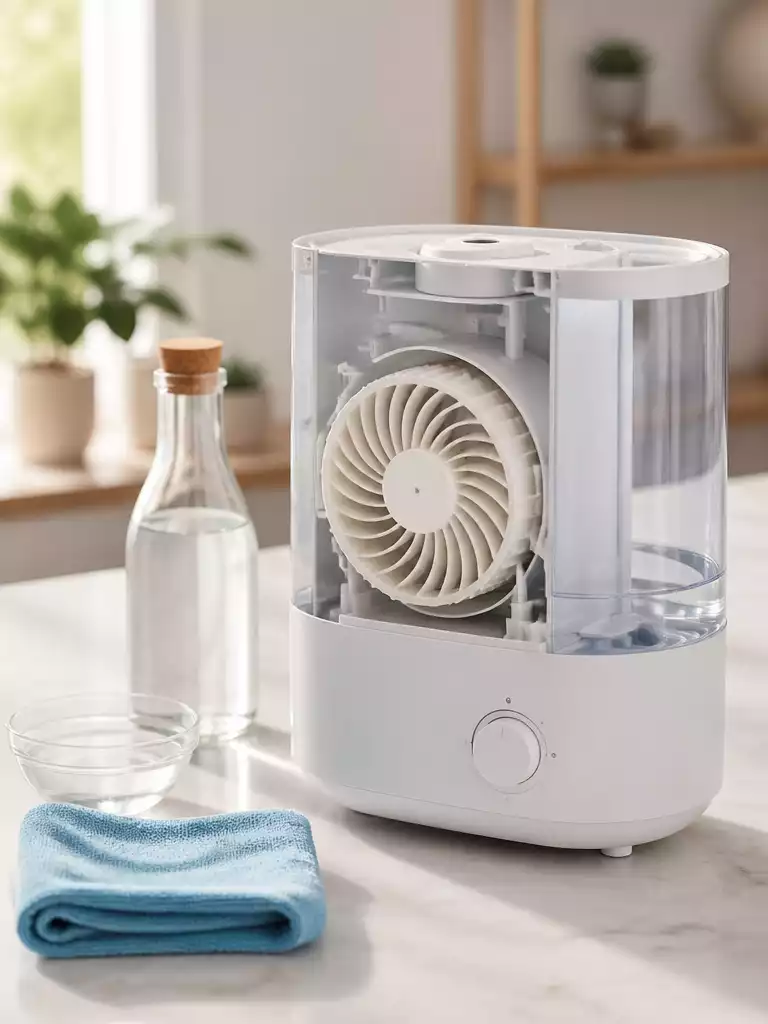
Most dehumidifiers use a fan to pull air into the unit, where it passes over cold coils. As the air cools, moisture condenses on the coils and drips into a collection tank or is drained away. Knowing how this process works can help you make informed decisions when selecting and using a dehumidifier for your home.
What is a Dehumidifier and How Does It Work?
To break it down further, a dehumidifier operates on a simple principle: it reduces the level of moisture in the air. This is particularly important in areas with high humidity, which can lead to discomfort and even health issues over time. By lowering the humidity, a dehumidifier helps prevent the growth of mold, mildew, and dust mites, which can exacerbate allergies.
- Moist air is drawn into the unit.
- Air passes over cold coils, cooling the air and causing moisture to condense.
- Condensed water collects in a tank or is drained out.
- Drier air is released back into the room.
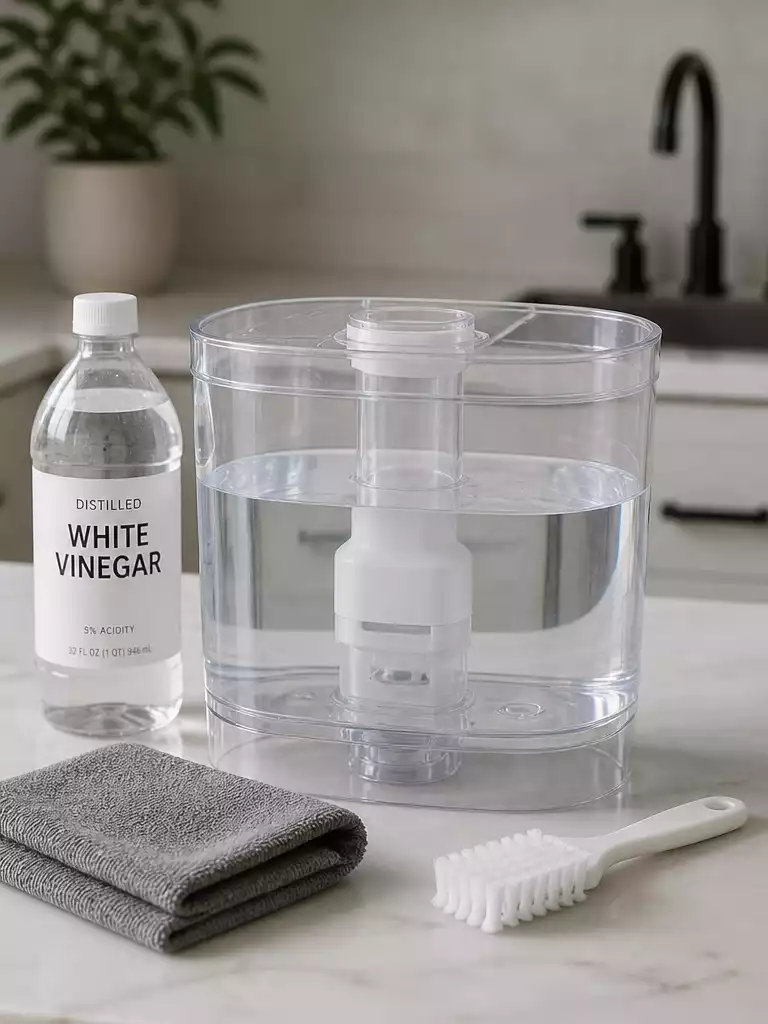
This cycle continues as long as the dehumidifier is on, helping to create a more comfortable and healthier indoor atmosphere. To keep your unit running efficiently, it’s important to know how to clean a dehumidifier regularly.
Key Benefits of Using a Dehumidifier in Your Home
Investing in a dehumidifier comes with numerous benefits that can enhance your living experience. Here are some key advantages:
- Reduces allergens like mold and dust mites.
- Prevents damage to furniture and electronics caused by excess moisture.
- Keeps your home feeling cooler, which can save on air conditioning costs.
- Improves overall comfort, making it easier to breathe and relax.
By incorporating a dehumidifier into your home, you’re taking a proactive step towards a healthier living space. Just ask my clients at [Your Business Name]; they’ve noticed significant improvements in their indoor air quality!
The Role of Dehumidifiers in Improving Indoor Air Quality
Indoor air quality is often overlooked, but it’s essential for your health and comfort. High humidity levels can lead to the proliferation of allergens, while low humidity can cause respiratory issues. A dehumidifier helps strike the perfect balance, ensuring that your home’s air is not only comfortable but also safe to breathe.
By reducing humidity, dehumidifiers help eliminate musty odors and create a more pleasant environment. This is especially important for families with children or individuals with respiratory conditions. Here are some ways dehumidifiers improve indoor air quality:
- They minimize mold and mildew growth.
- They reduce the presence of dust mites.
- They help alleviate asthma and allergy symptoms.
It’s clear that a dehumidifier isn’t just a convenience—it’s an essential tool for maintaining a healthy home atmosphere!
Understanding Humidity Levels and Their Impact on Your Home
Humidity levels are a significant factor in maintaining a comfortable home environment. Ideally, indoor humidity should be between 30% and 50%. When humidity levels exceed this range, you may experience various issues such as condensation on windows, musty smells, and even structural damage.
High humidity can also make your home feel warmer than it actually is, forcing you to crank up the air conditioning. Conversely, too low humidity can lead to dry skin and respiratory discomfort. Monitoring and adjusting humidity levels is crucial, and that’s where a dehumidifier comes in!
- 30% – 50%: Ideal humidity range for comfort.
- Above 60%: Risk of mold and mildew.
- Below 30%: Dry air, discomfort, and potential health issues.
By understanding these levels and utilizing a dehumidifier, you can create a more enjoyable and health-conscious home.
Pro Tip
Did you know? Running your dehumidifier at night can help maintain optimal humidity levels while you sleep, ensuring a more comfortable and restful environment. Additionally, consider placing a hygrometer in your home to easily monitor humidity levels and adjust your dehumidifier’s settings accordingly!
Maximizing the Benefits of Your Dehumidifier
To truly make the most of your dehumidifier, knowing when and how long to run it is crucial. Typically, I recommend running your dehumidifier during the most humid parts of the day, often from late morning to early evening. This is especially important during peak humidity seasons when indoor moisture can lead to discomfort and other issues.
It’s also essential to consider your home’s unique conditions. For example, if you live in a particularly humid area or have specific rooms prone to moisture, you may need to run it longer. Monitoring your humidity levels can help you determine the best schedule for your unit!
When and How Long to Run Your Dehumidifier
- Run during peak humidity hours (late morning to early evening)
- Adjust based on specific room needs and weather conditions
- Monitor humidity levels for consistent comfort
By following these recommendations, you can ensure that your dehumidifier is working effectively to maintain optimal humidity levels in your home.
Using a Dehumidifier for Specific Needs: Laundry Drying and Mold Prevention
Your dehumidifier can be a valuable tool in specific scenarios, like drying laundry indoors or preventing mold growth. For laundry drying, I find that running the dehumidifier in the same space as your drying clothes can significantly reduce drying time. This is particularly useful during winter months when outdoor drying isn’t an option.
- Set your dehumidifier near the laundry area
- Run it while clothes are drying to speed up the process
- Use in areas prone to mold, such as bathrooms or basements
By incorporating your dehumidifier into these daily tasks, you can not only enhance the drying process but also create a healthier home environment.
Energy Efficiency: Saving Costs While Maintaining Optimal Humidity
One of the best things about modern dehumidifiers is their energy efficiency! Choosing an Energy Star-rated model can help save on energy bills while effectively managing humidity levels. It’s a win-win for your budget and comfort.
- Look for Energy Star-rated models for efficiency
- Run your dehumidifier only when needed to save energy
- Optimize settings to match room conditions without excess power usage
By being mindful of energy consumption, you can enjoy a comfortable indoor environment without breaking the bank. For more advanced options, consider learning how to use a desiccant wheel dehumidifier, which can be particularly efficient in specific conditions.
Combining Dehumidifiers with Air Purifiers for Enhanced Air Quality
For those of us keen on improving indoor air quality, combining a dehumidifier with an air purifier can be incredibly effective. While the dehumidifier tackles moisture, the air purifier works to filter out pollutants and allergens. This combination creates a healthier living space, especially for those with allergies or respiratory issues.
- Use both appliances in high humidity or pollution areas
- Set them to run simultaneously for maximum effectiveness
- Regularly maintain both units for optimal performance
This synergy between the two devices can lead to noticeable improvements in the air quality of your home.
Frequently Asked Questions About Dehumidifiers
- Q: What is the ideal indoor humidity level?
- A: The ideal indoor humidity level is between 30% and 50%. This range ensures comfort and helps prevent issues like mold growth and overly dry air.
- Q: How do dehumidifiers improve indoor air quality?
- A: Dehumidifiers improve indoor air quality by reducing excess moisture, which in turn prevents the growth of mold, mildew, and dust mites. This helps alleviate allergy and asthma symptoms and eliminates musty odors.
- Q: When is the best time to run a dehumidifier?
- A: It’s generally best to run your dehumidifier during the most humid parts of the day, often from late morning to early evening. For continuous comfort, running it at night can also be beneficial, especially in humid climates.
- Q: Can a dehumidifier help dry laundry indoors?
- A: Yes, a dehumidifier can significantly speed up the drying time for laundry indoors. Placing the unit in the same room as your drying clothes can make a noticeable difference, particularly during colder months.
- Q: Are Energy Star-rated dehumidifiers worth it?
- A: Absolutely. Energy Star-rated dehumidifiers are designed to be more energy-efficient, which means they consume less electricity. This can lead to significant savings on your energy bills while effectively managing humidity levels in your home.
- Q: What’s the benefit of combining a dehumidifier with an air purifier?
- A: Combining a dehumidifier with an air purifier offers enhanced air quality. The dehumidifier controls moisture and prevents allergen growth, while the air purifier filters out airborne pollutants. This is particularly beneficial for individuals with allergies or respiratory conditions.
- Q: What should I do if my dehumidifier is not working?
- A: If your dehumidifier is not working, first check the power supply and ensure the water tank is correctly inserted. If issues persist, you might need to troubleshoot common problems, or for specific brand issues, refer to guides like Whirlpool dehumidifier repair for assistance.
Recap of Key Points
Here is a quick recap of the important points discussed in the article:
- Dehumidifiers help reduce indoor humidity, improving comfort and health.
- They prevent mold, mildew, and dust mites, reducing allergens in the home.
- Ideal indoor humidity levels are between 30% and 50% for optimal comfort.
- Run dehumidifiers during peak humidity hours for best results.
- Combine dehumidifiers with air purifiers for enhanced indoor air quality.
- Choose Energy Star-rated models to save on energy costs while managing humidity.
Pingback: How Does a Dehumidifier Work