Did you know that managing humidity levels in your basement can significantly enhance your home’s health and comfort? Understanding the intricacies of relative humidity is essential for every homeowner looking to create a safe living environment.
What You Will Learn
- Relative humidity (RH) affects both comfort and health within your home, with levels above 60% promoting mold growth.
- Signs of excess humidity include visible moisture, musty odors, and health risks associated with mold exposure.
- Regular monitoring of humidity levels prevents serious issues such as structural damage and poor indoor air quality.
- Selecting the right dehumidifier based on your basement’s size and humidity problem is crucial for effective moisture control.
Humidity and Its Impact on Basements
Dealing with a basement can be tricky. One of the biggest challenges is managing humidity. When we talk about humidity, we’re often referring to something called relative humidity (RH). But what does that really mean, and why is it important for your home? Let’s break it down!
What is Relative Humidity and Why It Matters
Defining Relative Humidity (RH)
Relative humidity is a measure of how much moisture is in the air compared to what the air can hold at a specific temperature. Think of it this way—if the air can hold 100% moisture at a certain temperature, but it’s only holding 70%, then your relative humidity is 70%. This number is crucial because it affects not just comfort but also the health of your home.
For instance, a high RH can lead to discomfort, making your space feel warmer than it actually is. When the RH rises above 60%, it creates a perfect environment for mold and mildew to flourish, which is something we definitely want to avoid!
How Humidity Levels Affect Your Home
Humidity levels can influence various aspects of your home life. Here are some effects you might experience:
- Comfort: High humidity can make your home feel stuffy and warm, affecting your comfort levels.
- Structural Integrity: Excess moisture can lead to wood rot, compromising the strength of your home.
- Air Quality: High humidity promotes mold growth, which can impact your indoor air quality and health.
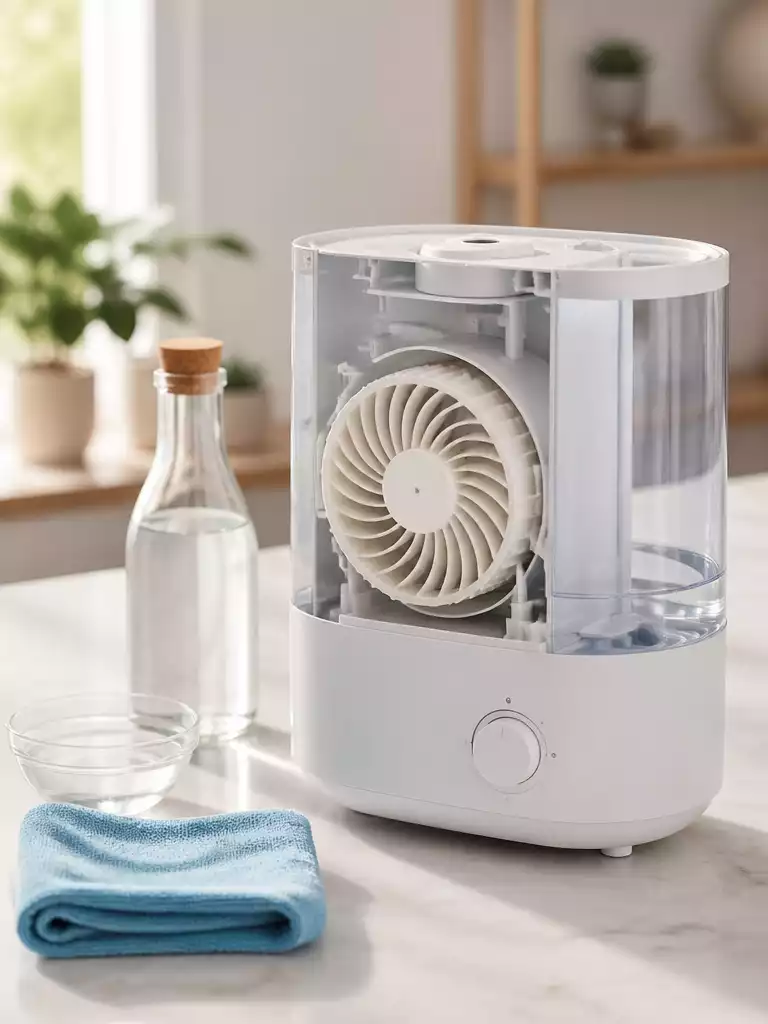
Maintaining the right humidity levels is essential for a healthy living environment! As someone who has dealt with basements for years, I can tell you that being proactive about humidity can save you a lot of headaches down the road. For more information on maintaining your humidity control devices, learn how to clean a dehumidifier.
Signs of Excess Humidity in Your Basement
Recognizing Visible Moisture: Stains and Condensation
One of the first signs that your basement has too much humidity is visible moisture. Look for water stains on the walls or ceiling, as these can indicate where moisture is accumulating. You may also notice condensation on windows or pipes—a telltale sign that the air is too humid.
Pay attention to your surroundings! If you start to see these signs, it might be time to check the humidity levels in your basement.
Identifying Musty Odors and Their Significance
Another common indicator of high humidity is a musty odor. This smell often comes from mold or mildew growing in damp areas. If you walk into your basement and notice that distinct smell, it’s a clear warning sign that something needs to be addressed.
Ignoring these odors can lead to bigger problems, as they often signal underlying issues with moisture control. It’s best to tackle these odors early to prevent serious damage!
Understanding the Health Risks Associated with Mold and Mildew
High humidity not only affects your home but can also pose health risks. Mold and mildew thrive in damp conditions and can cause respiratory issues, allergies, and other health problems. It’s essential to keep an eye out for symptoms like sneezing or coughing, as these can be linked to mold exposure.
Don’t wait for things to get worse! Regularly monitoring your basement’s humidity levels is a smart step toward safeguarding your health and your home.
Pro Tip
Did you know? Keeping the temperature in your basement slightly lower than the rest of your home can help reduce humidity levels naturally. Additionally, using exhaust fans during cooking or showering can also minimize moisture buildup in your home!
Key Takeaways for Basement Humidity Management
Effectively managing basement humidity is crucial for ensuring a healthy living environment. Regularly monitoring humidity levels can prevent issues such as mold growth and structural damage. Taking proactive steps will help maintain not only the integrity of your home but also improve indoor air quality.
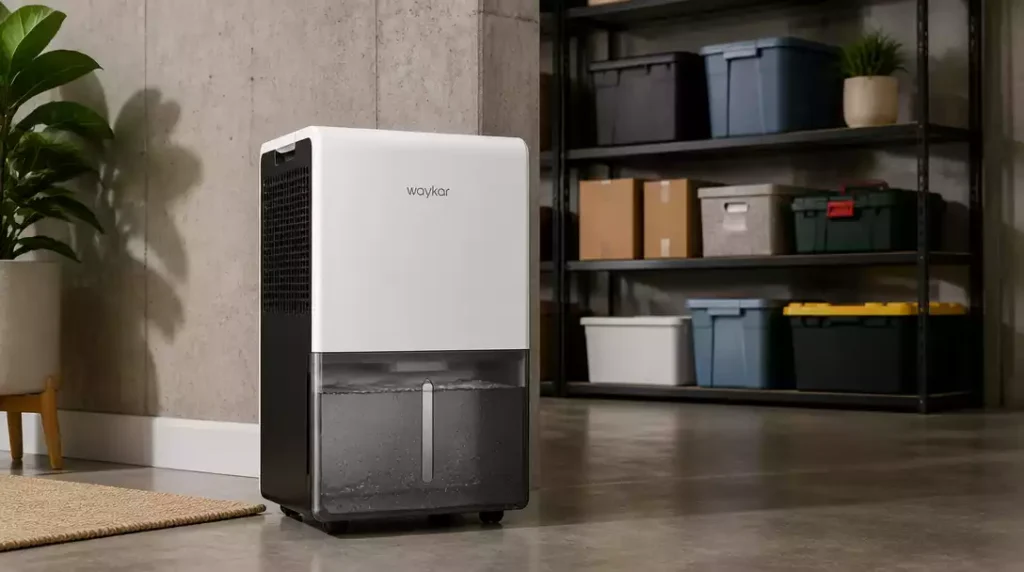
To keep your basement comfortable, it’s vital to be aware of when to use a dehumidifier. A dehumidifier can significantly reduce moisture levels, making the space safer and more enjoyable. Remember, ignoring signs of excess humidity can lead to bigger problems down the road.
Summarizing the Importance of Monitoring Humidity
Monitoring humidity levels should be a priority for every homeowner, especially in basement areas. Keeping tabs on these levels means you can make informed decisions about when to deploy dehumidifiers and other moisture control measures.
- Regular checks can prevent mold and mildew growth.
- Maintaining optimal humidity prevents damage to your belongings.
- Awareness of humidity fluctuations helps you manage energy costs effectively.
As a homeowner, I’ve found that scheduling monthly humidity checks has been beneficial. It’s a small effort that yields big rewards in maintaining a safe and healthy home.
Next Steps: Implementing Humidity Control Solutions
Choosing the right dehumidifier for your space is essential. Depending on your basement size and humidity levels, you may opt for a portable model or a whole-house solution. Let’s explore some factors to consider when making this decision:
- Size of the area you need to dehumidify.
- Type of humidity problem: localized or widespread.
- Your budget and energy efficiency needs.
Once you’ve chosen your dehumidifier, make it a habit to assess the conditions in your basement regularly. This simple step can maintain air quality and prevent moisture accumulation. I recommend setting a quarterly reminder! To ensure you’re using your dehumidifier correctly for optimal performance, refer to our guide on how to use a dehumidifier.
Frequently Asked Questions About Basement Humidity
- What is relative humidity (RH)?
- Relative humidity is a measure of how much moisture is in the air compared to the maximum amount it can hold at a specific temperature. High RH, especially above 60%, can lead to discomfort and promote mold growth.
- How does high humidity impact my home?
- High humidity can cause discomfort, making your home feel stuffy. It can also lead to structural damage like wood rot and promote mold growth, which negatively affects indoor air quality and overall health.
- What are the signs of excess humidity in a basement?
- Key signs include visible moisture such as water stains on walls or condensation on windows and pipes, as well as musty odors indicating mold or mildew growth.
- What health risks are associated with mold and mildew?
- Mold and mildew thrive in damp conditions and can cause respiratory issues, allergies, and other health problems. Symptoms like sneezing or coughing can be linked to mold exposure.
- How can I control humidity in my basement?
- Regularly monitoring humidity levels is crucial. Implementing humidity control solutions, such as using a dehumidifier appropriate for your basement’s size and humidity problem, can significantly reduce moisture.
Engage with Our Resources for Further Support
Consultation Services for Basement Humidity Issues
If you’re looking for more personalized advice on moisture control, don’t hesitate to reach out! My team at [Your Business Name] offers consultation services tailored to your unique basement humidity challenges. We’re here to help you navigate these issues effectively! For common problems and solutions, check out our guide on how to fix a humidifier.
Share Your Experiences with Basement Humidity Management
Have you faced challenges with basement humidity? I’d love to hear your stories and questions! Sharing experiences can be incredibly helpful for others dealing with similar issues. Let’s connect and discuss effective solutions that have worked for you!
Recap of Key Points
Here is a quick recap of the important points discussed in the article:
- Relative humidity (RH) significantly affects comfort, structural integrity, and air quality in your home.
- Signs of excess humidity include visible moisture, musty odors, and health risks associated with mold and mildew.
- Regularly monitoring humidity levels can prevent mold growth, indoor air quality issues, and structural damage.
- Using a dehumidifier is essential for managing moisture levels effectively in your basement.
- Choosing the right dehumidifier depends on the size of the area, the type of humidity problem, and your budget.