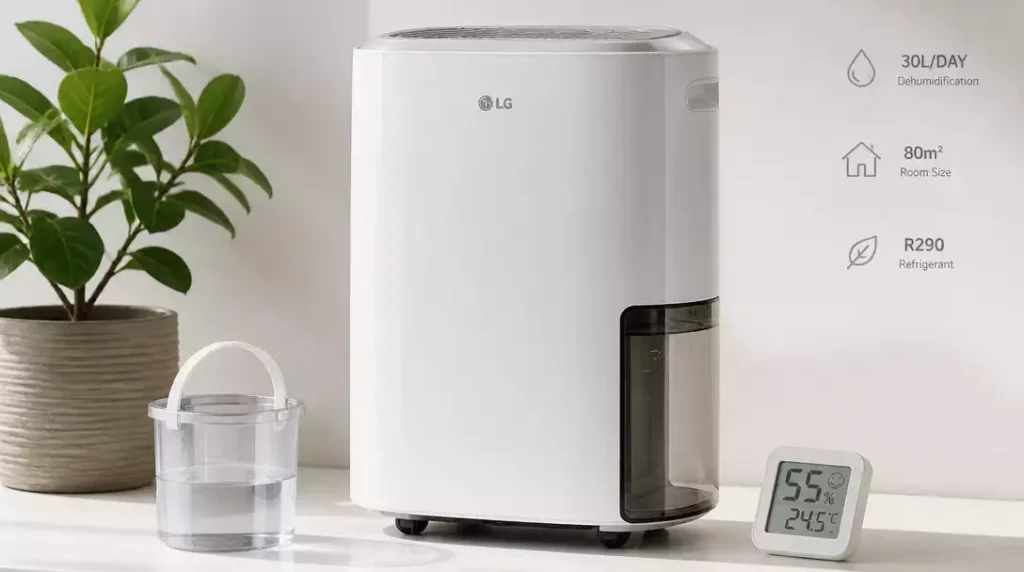
When your LG dehumidifier isn’t functioning as expected, understanding common issues can save you time and effort. Here’s what you need to know to troubleshoot effectively.
What You Will Learn
- Identify common problems such as power supply issues and environmental factors affecting performance.
- Follow essential diagnostic steps like checking the power supply, inspecting the water bucket, and reviewing error codes.
- Discover the importance of maintenance, including cleaning filters and ensuring proper settings for your room size.
- Learn when to seek professional help and the benefits of consulting your model’s user manual for specific troubleshooting tips.
Troubleshooting Your LG Dehumidifier: Common Issues and Solutions
When your LG dehumidifier isn’t functioning as expected, it can be frustrating. There are several common reasons behind these issues, often related to power problems or environmental factors. By knowing what to look for, you can quickly address the situation and restore your unit to optimal performance.
In my experience, many customers overlook simple factors, like whether the unit is receiving power or if the environment is suitable for its operation. Let’s dive into some common culprits and how you can troubleshoot them!
Why Your LG Dehumidifier Isn’t Working
First things first, let’s pinpoint some common reasons your dehumidifier might be acting up:
- Power Supply Issues: Check if the unit is plugged in and if the outlet is functioning.
- Environmental Conditions: High humidity levels or extremely low temperatures can impact performance.
- Incorrect Settings: Ensure the settings align with your needs and room size.
Understanding these factors can help you determine if it’s an easy fix or something that requires more attention. For instance, if the unit is in a very damp area, it may struggle to keep up with the moisture load, similar to challenges faced when a Hisense dehumidifier isn’t working.
Essential Steps to Diagnose the Problem
Diagnosing the issue involves a few straightforward checks. Here’s a step-by-step guide to help you through the process:
- Check the Power: Ensure the unit is plugged in and that there are no tripped breakers.
- Inspect the Water Bucket: Make sure it’s not full and is properly seated in the unit.
- Review Error Codes: Familiarize yourself with any error codes displayed on your unit.
Running through these checks can quickly point you toward the issue. Sometimes, a simple reset can do wonders, so don’t forget to try that if you encounter any error messages!
Power and Reset Issues
If your dehumidifier won’t turn on, start by checking the power supply. Ensure the outlet is functional, and then look for the reset button, typically located on the back or bottom of the unit. Pressing this can sometimes resolve minor glitches.
Don’t overlook the importance of a good connection! If the unit is plugged in but still unresponsive, it might be time to check for electrical issues or consult a technician.
Bucket Full Sensor Problems
Sometimes, the bucket full light won’t turn off even when the tank is empty. This can happen if the float mechanism is stuck or if there’s a sensor malfunction. Make sure the bucket is correctly installed to ensure that the sensor functions properly.
Taking a moment to remove and clean the bucket can also help ensure everything is functioning as it should!
Error Code Diagnosis
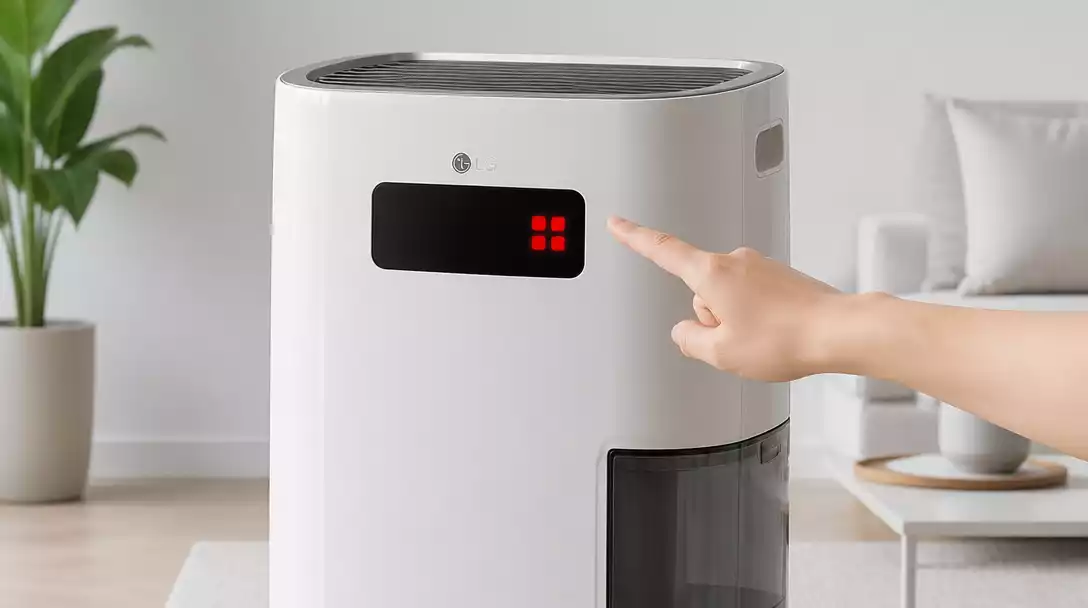
Your LG dehumidifier may display error codes that provide insight into the problem. Here are a few common codes and their meanings:
- E1: Humidity sensor issue.
- E2: Temperature sensor problem.
- E3: Water bucket is full or improperly positioned.
Refer to your user manual for specific error codes related to your model. Understanding these codes can save time and help you troubleshoot more effectively!
Compressor Delay and Its Impact on Performance
The compressor delay feature is essential for protecting your dehumidifier from damage. When the unit is restarted, there is usually a brief delay before the compressor starts. This is normal and helps maintain the efficiency of the system.
During this time, the humidity levels may fluctuate slightly, but rest assured, this delay plays a crucial role in overall performance!
Exploring the Role of Humidistats in Dehumidifier Functionality
A humidistat is a vital component in maintaining the right humidity levels in your home. To make the most of your dehumidifier, ensure the humidistat is set correctly according to your comfort preferences.
Regularly checking and adjusting the settings allows you to stay on top of humidity levels, promoting better indoor air quality. Remember, the ideal indoor humidity level is typically between 30-50%!
Common Fixes for LG Dehumidifier Malfunctions
Let’s go over some practical solutions that can quickly get your dehumidifier back in working order:
- Clean the Filters: Regularly clean or replace filters to ensure proper airflow.
- Adjust Humidity Settings: Make sure the settings match the size of your room.
- Inspect for Clogs: Look for any blockages in the drainage system.
These simple fixes can sometimes resolve issues and improve your unit’s efficiency. Plus, they help prolong the life of your dehumidifier!
Cleaning the Filters and Ensuring Clear Airflow
Dirty filters can lead to inefficient operation. To maintain your dehumidifier, check and clean the air filters every few months. A quick wash under water usually does the trick! For more comprehensive guidance, you can also learn how to clean a dehumidifier effectively.
Ensuring unobstructed airflow will not only help your unit run smoothly but also enhance its effectiveness in moisture removal.
Checking and Managing Humidity Levels
Understanding how to use the humidistat effectively can make a significant difference. Adjust the settings based on the size of the room and current humidity levels.
For larger spaces, higher settings may be necessary to keep moisture at bay. Take the time to observe how your dehumidifier performs and tweak the settings as needed for optimal results.
Understanding the Importance of Maintenance for Your LG Dehumidifier
Routine maintenance is key to keeping your dehumidifier in good shape. Regularly cleaning filters, checking for clogs, and keeping the unit free of dust can greatly enhance its lifespan.
By investing a little time in care, you can ensure consistent performance and avoid potential problems down the line. It’s all about being proactive!
When to Seek Professional Repair Services
Sometimes, despite your best efforts, issues may persist. Recognizing when it’s time to seek professional help is crucial. If you notice unusual sounds, persistent error codes, or significant drops in performance, it may be best to contact a technician.
Don’t hesitate to reach out if you’re unsure! It’s always better to be safe than sorry when it comes to your appliances.
DIY vs. Professional Repair
When considering repairs, weigh your options carefully. If the issue seems straightforward, like a dirty filter, you can likely handle it yourself. However, for complex problems such as electrical issues or internal repairs, it’s best to consult a professional.
Assessing your comfort level with repairs can help you decide the best course of action!
Model-Specific Troubleshooting Tips
Lastly, it’s essential to recognize that different LG dehumidifier models may have unique features and troubleshooting methods. Always refer to your specific model’s user manual for tailored advice and solutions.
Familiarizing yourself with your model can make troubleshooting much easier and more efficient!
Pro Tip
Did you know? Regularly checking the humidity levels in your home can help you determine when to adjust your dehumidifier settings. Ideally, aim for a humidity level between 30-50% to ensure optimal comfort and efficiency. A hygrometer can be a useful tool for monitoring these levels!
Frequently Asked Questions (FAQs)
Here are some common questions about LG dehumidifier troubleshooting:
- What are the most common reasons an LG dehumidifier might stop working?
Common reasons include power supply issues (not plugged in, tripped breaker), unsuitable environmental conditions (very high humidity or low temperatures), or incorrect settings for the room size. - How do I check if my LG dehumidifier is getting power?
Ensure the unit is plugged into a functional outlet, check for tripped circuit breakers, and look for a reset button on the unit (usually on the back or bottom). - What should I do if the “bucket full” light stays on even when the bucket is empty?
This often indicates a stuck float mechanism or a sensor malfunction. Ensure the bucket is properly seated and clean it to remove any debris that might interfere with the sensor. - What do error codes like E1, E2, or E3 mean on my LG dehumidifier?
E1 typically indicates a humidity sensor issue, E2 points to a temperature sensor problem, and E3 means the water bucket is full or improperly positioned. Always refer to your specific model’s user manual for a complete list of error codes and their meanings. - How often should I clean the filters on my LG dehumidifier?
It’s recommended to check and clean the air filters every few months to ensure proper airflow and efficient operation. A quick wash under running water is usually sufficient. - When should I consider calling a professional for repairs?
If you notice persistent error codes, unusual sounds, significant drops in performance that you can’t resolve with basic troubleshooting, or if the problem involves electrical issues or internal component repairs, it’s best to contact a qualified technician or LG customer service.
Wrapping Up Your LG Dehumidifier Troubleshooting Journey
So, you’ve been through the troubleshooting process, and now it’s time to tie everything together. When your LG dehumidifier isn’t working, it’s essential to follow key steps to ensure you’re on the right track. Regular maintenance is crucial too! It can drastically improve the efficiency and lifespan of your unit. For example, understanding why a dehumidifier compressor might not be working can be a critical step in effective troubleshooting.
Remember, identifying the problem early can save you time and money. The tips shared throughout this article aim to empower you to handle dehumidifier issues with confidence!
Quick-Fix Checklist for Immediate Action
If you find yourself facing dehumidifier issues, here’s a handy checklist to follow for immediate action:
- Check the power supply and ensure it’s plugged in.
- Inspect the water bucket for proper placement and ensure it’s not full.
- Reset the unit using the reset button.
- Clean the air filters to promote better airflow.
- Confirm the humidistat settings are correct for your room size.
Having this checklist at your fingertips can make troubleshooting much more straightforward! Don’t hesitate to revisit these steps whenever necessary.
Finding Additional Support and Resources
Sometimes, you need more than a checklist. For additional support, I recommend checking out LG’s official support pages. They offer a wealth of resources, including user manuals and guides that can be incredibly helpful. You can also find essential information on warranty and replacement parts, ensuring you have everything you need to keep your unit running smoothly!
Engaging with LG Customer Service for Persistent Issues
If your dehumidifier issues continue despite your best efforts, reaching out to LG’s customer service is a smart move. When you do, be sure to describe the problem clearly and mention any troubleshooting steps you’ve already taken. This information will help them assist you more effectively!
Share Your Experience and Tips
We’d love to hear from you! Sharing your experiences and tips can create a valuable community among LG dehumidifier users. Whether it’s a clever fix you discovered or a common problem you faced, your insights can help others navigate their own troubleshooting journeys. Let’s support each other in keeping our homes comfortable!
Recap of Key Points
Here is a quick recap of the important points discussed in the article:
- Power Supply Issues: Always check if the unit is plugged in and the outlet is functioning before troubleshooting further.
- Environmental Conditions: Ensure that the humidity levels and temperature are suitable for optimal performance.
- Regular Maintenance: Clean filters and check for clogs to enhance efficiency and prolong the lifespan of your dehumidifier.
- Understanding Error Codes: Familiarize yourself with the error codes to diagnose issues quickly.
- Professional Help: Don’t hesitate to seek professional repair services for complex issues you can’t resolve.