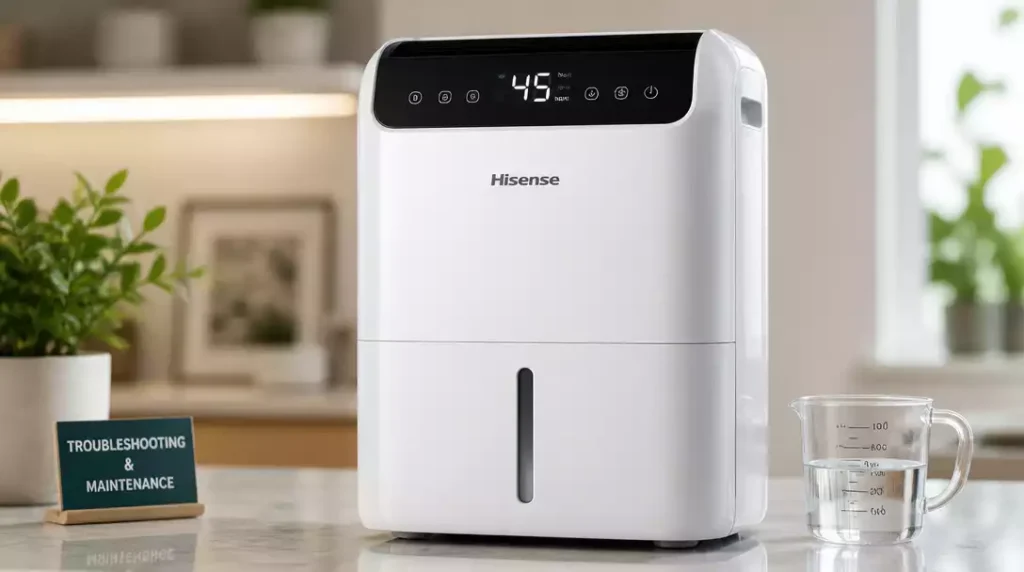
Did you know that a little proactive maintenance can save you from costly repairs and keep your Hisense dehumidifier running smoothly? Here are some essential insights to troubleshoot and maintain your unit effectively.
What You Will Learn
- Identify common symptoms indicating your Hisense dehumidifier is not functioning properly, such as no water collection or unusual noises.
- Perform essential checks like verifying the power cord connection and ensuring the water bucket is correctly installed.
- Understand the impact of a clean filter on the dehumidifier’s performance and how to maintain it effectively.
- Recognize the importance of checking the circuit breaker and drain hose to diagnose potential issues with your dehumidifier.
- Implement a simple maintenance schedule to extend the lifespan of your unit and ensure optimal performance.
- Follow safety precautions to operate your dehumidifier safely and prevent accidents.
- Document your troubleshooting process to identify patterns and streamline future maintenance efforts.
Troubleshooting Your Hisense Dehumidifier Issues
When your Hisense dehumidifier isn’t working the way it should, it can feel pretty frustrating! You’re not alone; many users face similar issues. In this section, we’ll dive into how to troubleshoot your dehumidifier problems and get your home back to the comfort levels you desire.
Identifying the Problem: Why Your Hisense Dehumidifier is Not Working
Common Symptoms of a Non-Functional Dehumidifier
There are several signs that indicate your Hisense dehumidifier may not be functioning properly. Here are some common symptoms to watch for:
- No water collected in the tank
- Unusual noises coming from the unit
- Frequent auto shut-offs
- Visible leaks or water pooling around the unit
If you’re noticing any of these issues, it’s time to do some detective work! Each symptom can point to different problems that we can address together.
User Intent: What Users Typically Experience
Many Hisense dehumidifier users report feeling confused when their units fail. They often wonder if the issue is minor or if they need professional help. This uncertainty can lead to unnecessary stress! Most owners want to troubleshoot effectively before reaching out to support.
By following a few simple checks, we can save time and potentially avoid service calls. Let’s explore some essential checks you can do on your own.
Essential Checks Before Calling for Support
Is the Power Cord Properly Connected?
First things first! Check that your power cord is securely plugged into a working outlet. Sometimes the simplest solutions are the most effective!
- Unplug the cord and plug it back in firmly.
- Try a different outlet if possible.
- Inspect the cord for any visible damage.
If the cord is connected properly and your dehumidifier still isn’t working, let’s move on to the next check.
Checking the Bucket: Is It Full or Incorrectly Installed?
Most Hisense dehumidifiers have a safety feature that stops operation if the bucket is full or not seated correctly. Make sure to:
- Remove the bucket and empty it if it’s full.
- Check that the bucket is correctly positioned back into the unit.
Once you’ve checked the bucket, see if your unit resumes normal operation!
Importance of a Clean Filter: How It Affects Performance
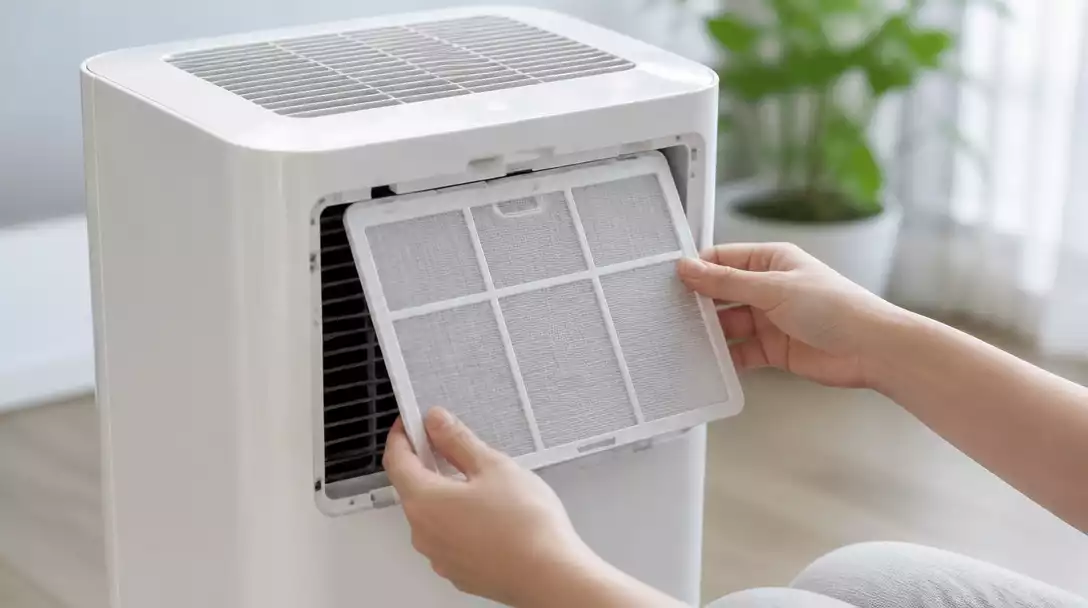
A dirty filter can significantly affect your dehumidifier’s efficiency. Regularly cleaning or replacing the filter can enhance airflow and dehumidification. To ensure your filter is in good shape:
- Remove the filter from the unit.
- Rinse it under warm water to clean.
- Let it dry completely before reinserting.
Keeping the filter clean not only helps the dehumidifier work better but also prolongs its life! For more detailed instructions on cleaning, you can refer to our guide on how to clean a dehumidifier.
Evaluating Circuit Breaker and Fuse Issues
If your dehumidifier still won’t turn on, check your home’s circuit breaker or any blown fuses. Sometimes, the issue is not with the unit at all! Resetting a tripped breaker may resolve the problem.
Make sure to check:
- If the circuit breaker has tripped, reset it.
- Inspect fuses for any signs of damage.
Understanding the Role of the Drain Hose in Proper Function
If your Hisense dehumidifier has a drain hose, ensure it’s not kinked or clogged. A blocked drain hose can prevent water from flowing out, causing the unit to malfunction. Here’s what to do:
- Inspect the hose for any blockages.
- Check for proper installation and a clear path for drainage.
With these checks completed, you’re well on your way to diagnosing the issue!
Pro Tip
To enhance the efficiency of your Hisense dehumidifier, consider investing in a hygrometer. This device helps you monitor the humidity levels in your home, allowing you to adjust your dehumidifier settings for optimal performance. Maintaining humidity levels between 30% and 50% is ideal for comfort and health!
Summarizing Your Troubleshooting Journey with Hisense Dehumidifiers
The Importance of Regular Maintenance and Care
Regular maintenance is key to keeping your Hisense dehumidifier running smoothly. A little attention can go a long way in preventing future issues that may require more extensive troubleshooting. By staying proactive, you’ll not only extend the life of your unit but also ensure it operates efficiently! If you’re encountering issues with the compressor, our article on dehumidifier compressor not working can provide further assistance.
- Check the filter every month and clean it as needed.
- Inspect the water bucket for proper placement and any buildup.
- Monitor the power cord to ensure it’s in good condition.
- Test the drain hose to confirm it’s not blocked.
These routine checks can help you catch problems early, allowing you to address them before they escalate. Additionally, building a maintenance schedule tailored to your usage will ensure you remain on track.
Building a Simple Maintenance Schedule
A simple maintenance schedule can make all the difference in your dehumidifier’s performance. Here’s a quick guide to help you get started:
- Daily: Empty the water bucket if it’s not connected to a drain.
- Weekly: Inspect the filter and vacuum any dust from the unit.
- Monthly: Check the drain hose and clean the water bucket.
- Seasonal: Review the overall condition of your dehumidifier, including the compressor and refrigerant levels.
By adhering to this schedule, you can significantly reduce the likelihood of encountering issues down the line. If you ever feel unsure about what to check, feel free to reach out to us at [Your Business Name] for guidance!
Maintenance Tips for Optimal Performance and Longevity
To further enhance the lifespan and efficiency of your Hisense dehumidifier, consider these additional tips:
- Keep the unit in a well-ventilated area.
- Regularly clean the exterior to prevent dirt buildup.
- Use a hygrometer to monitor humidity levels in your home.
By following these practices, you ensure that your dehumidifier remains in peak condition. This attention to detail not only boosts performance but also contributes to a healthier indoor environment!
Encouraging Safe and Effective Use of Your Dehumidifier
Operating your Hisense dehumidifier safely is crucial for effective performance and peace of mind. Always follow the manufacturer’s guidelines, and don’t hesitate to reach out if you need assistance! Here are some best practices to keep in mind:
- Never operate the unit without a filter installed.
- Make sure the power outlet can handle the unit’s requirements.
- Regularly monitor the water level if you’re not using the drain option.
These best practices will not only improve the functioning of your dehumidifier but also ensure a safer environment for you and your family. And speaking of safety, understanding your warranty coverage can further enhance your peace of mind!
Understanding the Warranty Coverage for Peace of Mind
Your Hisense dehumidifier comes with a warranty that outlines what is covered and for how long. Familiarizing yourself with this information is essential, especially if you encounter persistent issues. If you have any questions regarding your warranty, feel free to reach out to our team at [Your Business Name] for detailed insights.
Safety Precautions to Ensure Safe Operation
Always prioritize safety when using your dehumidifier. Here are some essential precautions:
- Keep the unit away from water sources to prevent electrical hazards.
- Do not block the air intake or exhaust vents.
- Unplug the unit during cleaning or maintenance.
By following these safety guidelines, you can avoid accidents and ensure your dehumidifier operates effectively!
Frequently Asked Questions About Hisense Dehumidifiers
- What are common signs my Hisense dehumidifier isn’t working?
- Common signs include no water collection, unusual noises, frequent auto shut-offs, and visible leaks around the unit.
- What should I check first if my dehumidifier isn’t turning on?
- Start by checking if the power cord is securely plugged into a working outlet and inspect the cord for damage. Also, check your home’s circuit breaker.
- How does a dirty filter affect dehumidifier performance?
- A dirty filter restricts airflow, reducing the unit’s efficiency and ability to remove moisture from the air. Regular cleaning or replacement is crucial for optimal performance.
- Why is my dehumidifier not collecting water even though it’s running?
- This could be due to a full or improperly installed water bucket, a kinked or clogged drain hose (if using continuous drainage), or a dirty filter.
- How often should I perform maintenance on my Hisense dehumidifier?
- It’s recommended to empty the water bucket daily (if not using a drain), inspect the filter weekly, clean the drain hose and water bucket monthly, and perform a seasonal review of the unit’s overall condition.
Taking Action: What to Do Next
Implementing the Troubleshooting Steps You’ve Learned
Now that you have a solid grasp on troubleshooting your Hisense dehumidifier, it’s time to put that knowledge into action! Document your findings and observations as you go through the troubleshooting process. This will help you identify patterns and provide valuable information if you need to reach out for further assistance. For more general advice on Hisense dehumidifier repair, check out our guide.
Documenting Your Findings and Observations
Keep a log of any issues you encounter, along with the steps you took to resolve them. This will not only aid you in future troubleshooting but also serve as a helpful reference when consulting with professionals. Consider including:
- Date and time of the issue.
- Description of the symptoms.
- Steps you took to troubleshoot.
- Any changes or improvements noticed.
By maintaining clear records, you empower yourself to tackle any challenges that arise with confidence!
Final Thoughts: Ensuring Optimal Performance of Your Unit
With the right maintenance and troubleshooting knowledge, you can keep your Hisense dehumidifier performing at its best. Regular checks, safe operation, and prompt action on issues will safeguard your investment and enhance your indoor air quality. Remember, a well-maintained dehumidifier not only contributes to comfort but also extends its lifespan!
Exploring Energy Efficiency and Its Impact on Your Home
Lastly, let’s not forget the benefits of energy efficiency. An optimally functioning dehumidifier can save you money on energy bills while improving your overall living conditions. Keep an eye on humidity levels and adjust settings as necessary to maximize efficiency and comfort in your home. Happy troubleshooting!
Recap of Key Points
Here is a quick recap of the important points discussed in the article:
- Identify common symptoms of a non-functional dehumidifier, such as no water collection and unusual noises.
- Perform essential checks, including verifying the power cord connection and ensuring the water bucket is correctly installed.
- Regularly clean or replace the filter to maintain efficiency and prolong the unit’s life.
- Evaluate circuit breaker and fuse status to rule out power issues.
- Inspect the drain hose for any blockages that could cause malfunction.
- Establish a maintenance schedule to catch problems early and ensure optimal performance.
- Follow safety precautions to prevent accidents while using the dehumidifier.
- Document troubleshooting steps and findings for future reference and assistance.