
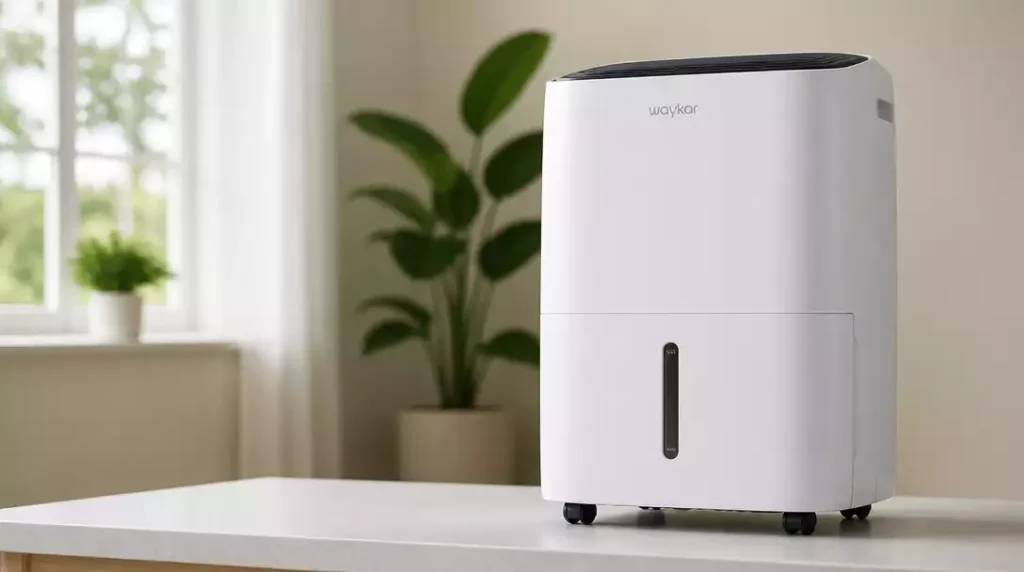
Did you know that controlling indoor humidity can significantly enhance your comfort and health? Understanding how a dehumidifier works is essential for creating a pleasant living environment.
What You Will Learn
- The dehumidification process involves cooling warm, humid air to remove moisture.
- Key components of a dehumidifier include the evaporator, condenser, refrigerant, and water tank.
- Effective air circulation enhances moisture removal and maintains consistent humidity levels.
- Factors such as cost, energy efficiency, and warranty options are crucial when selecting a dehumidifier.
How a Dehumidifier Works
Let’s kick things off by exploring the fascinating process of how a dehumidifier works! It all starts with warm, humid air being drawn into the unit. Once inside, the air is cooled over coils, leading to the formation of condensation, which effectively removes moisture from the air. This process is crucial for maintaining a comfortable and healthy indoor environment.
As moisture condenses, it collects in a reservoir or is expelled outside. This not only lowers the humidity levels but also contributes to a more pleasant atmosphere. If you’ve ever felt the relief of stepping into a less humid space, you know exactly what I mean! For a more detailed guide on operating your unit, read our article on how to use a dehumidifier.
Core Mechanism of Dehumidification
The core mechanism of dehumidification is quite simple yet effective. The dehumidifier operates in a cycle, moving air through the unit and utilizing energy-efficient methods to remove excess moisture. Here’s a closer look at the steps involved:
- Warm, humid air is pulled into the dehumidifier.
- The air passes over cold coils, leading to condensation.
- Moisture collects and is either drained or stored in a tank.
- Drier air is released back into the room.
This cycle continues until the desired humidity levels are reached, showcasing how efficiently these machines can control moisture in your home or office.
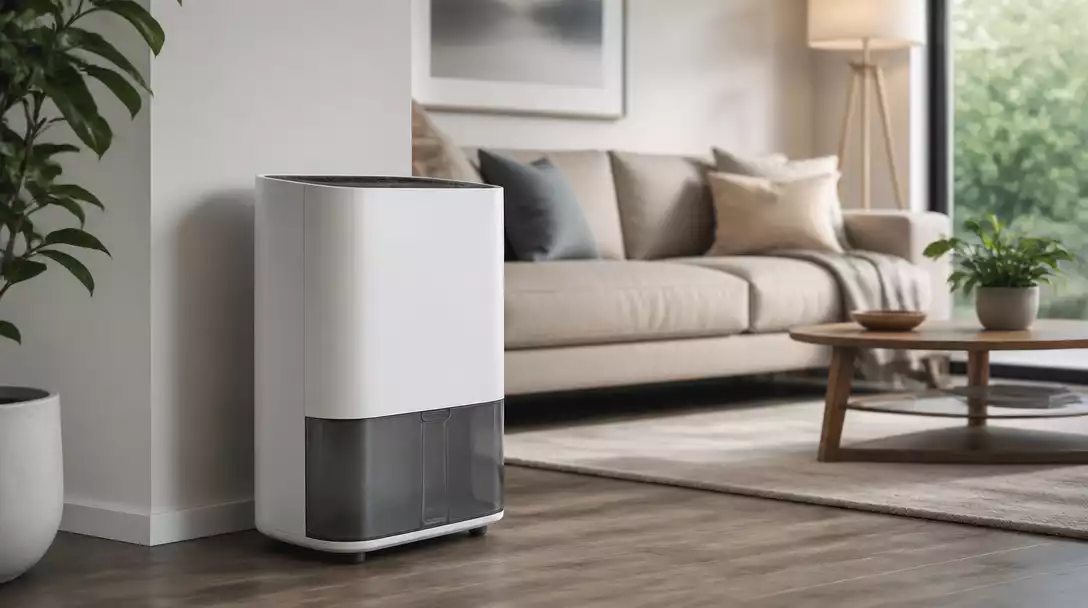
Key Components of a Dehumidifier
To fully appreciate the workings of a dehumidifier, it’s important to know its key components. Each part plays a vital role in ensuring effective moisture removal:
- Evaporator: Cools the air and facilitates condensation.
- Condenser: Heats the air before releasing it back.
- Refrigerant: Helps absorb and transfer heat.
- Water tank: Collects the condensed moisture.
Knowing these components can help you understand why regular maintenance is crucial for keeping your dehumidifier running smoothly. I always recommend checking the water tank and filters periodically to ensure optimal performance! If you need to clean your unit, check out our guide on how to clean a dehumidifier.
The Role of Air Circulation in Dehumidification
Air circulation is a game-changer when it comes to enhancing the efficiency of a dehumidifier. A well-functioning fan helps to distribute air evenly throughout the room, maximizing the machine’s effectiveness. If you’re curious about how this process works, here are some key points:
- Good air circulation allows for quicker moisture removal.
- It helps maintain consistent humidity levels across larger spaces.
- Proper airflow can reduce energy consumption, saving you money!
By ensuring that your dehumidifier has adequate airflow, you’re not just improving its function but also contributing to a more comfortable living space. And believe me, you want all the comfort you can get!
Pro Tip
To maximize the effectiveness of your dehumidifier, consider placing it in a central location within your home. This allows for better air circulation and ensures that drier air is evenly distributed throughout the space. Additionally, keep doors and windows closed while the unit is running to prevent excess humidity from entering!
Frequently Asked Questions About Dehumidifiers
- Q: How does a dehumidifier remove moisture from the air?
- A: A dehumidifier draws in warm, humid air, cools it over coils to create condensation, and collects the condensed moisture in a tank before releasing drier air back into the room.
- Q: What are the main components of a dehumidifier?
- A: The main components include the evaporator (cools air), condenser (heats air), refrigerant (transfers heat), and water tank (collects moisture).
- Q: Why is air circulation important for a dehumidifier?
- A: Good air circulation helps the dehumidifier remove moisture more quickly, maintains consistent humidity levels in larger spaces, and can reduce energy consumption.
- Q: What should I consider when buying a dehumidifier?
- A: Key factors to consider include the initial cost, energy efficiency ratings (like Energy Star), and available warranty options. It’s also important to assess your home’s humidity levels and identify specific problem areas.
- Q: Can a dehumidifier improve indoor air quality?
- A: Yes, by reducing excess humidity, a dehumidifier can help prevent the growth of mold and mildew, which can significantly improve indoor air quality and overall comfort.
Wrapping Up the Dehumidifier Discussion
In conclusion, a dehumidifier plays a crucial role in creating a comfortable and healthy indoor environment. By reducing excess humidity, these devices not only enhance your comfort but also help in maintaining your home’s structural integrity. Remember the different models and applications we’ve discussed! Each type of dehumidifier has its unique benefits tailored to specific needs.
Whether you need a portable unit for your basement or a whole-home system for comprehensive moisture control, understanding the functionalities and benefits of dehumidifiers is essential. I hope this discussion has made it clear how important these devices can be for your health and home. If you have a particularly damp basement, you might find our article on when to use a dehumidifier in a basement helpful.
Next Steps for Interested Users
If you’re considering a dehumidifier, here are some steps to guide your decision-making:
- Assess the humidity levels in your home using a hygrometer.
- Identify specific areas that suffer from excess moisture, like basements or bathrooms.
- Determine which type of dehumidifier best suits your needs—portable or whole-house.
- Explore various brands and models based on functionality and customer reviews.
Taking these steps will help you make an informed choice when selecting a dehumidifier that fits your lifestyle and needs. Remember, the right dehumidifier can significantly improve your indoor air quality! To learn more about selecting the right unit, check out our guide on how to choose a humidifier.
Evaluating Cost and Energy Efficiency for Dehumidifier Selection
When selecting a dehumidifier, it’s essential to look beyond just the initial purchase price. Here are a few factors to consider that will help you make a wise investment:
- Cost: Consider the upfront cost and any potential installation fees.
- Energy Efficiency Ratings: Look for units with a good Energy Star rating to save on electricity.
- Warranty Options: Check what warranties are available, as they can provide peace of mind.
By carefully evaluating these factors, you can find a dehumidifier that not only fits your budget but also provides long-term savings and reliability. As you make your selection, keep in mind that I’m here to help you navigate these choices, ensuring you get the best value for your investment!
Recap of Key Points
Here is a quick recap of the important points discussed in the article:
- Dehumidifiers work by drawing warm, humid air, cooling it, and removing moisture through condensation.
- Key components include the evaporator, condenser, refrigerant, and water tank, each crucial for effective operation.
- Good air circulation enhances moisture removal, helps maintain consistent humidity, and can reduce energy costs.
- Assess humidity levels and specific moisture problem areas to select the appropriate dehumidifier type for your needs.
- Consider both cost and energy efficiency, such as Energy Star ratings, when choosing a dehumidifier for long-term savings.

Pingback: How to Choose a Dehumidifier
Pingback: GE Dehumidifier Hose Not Working