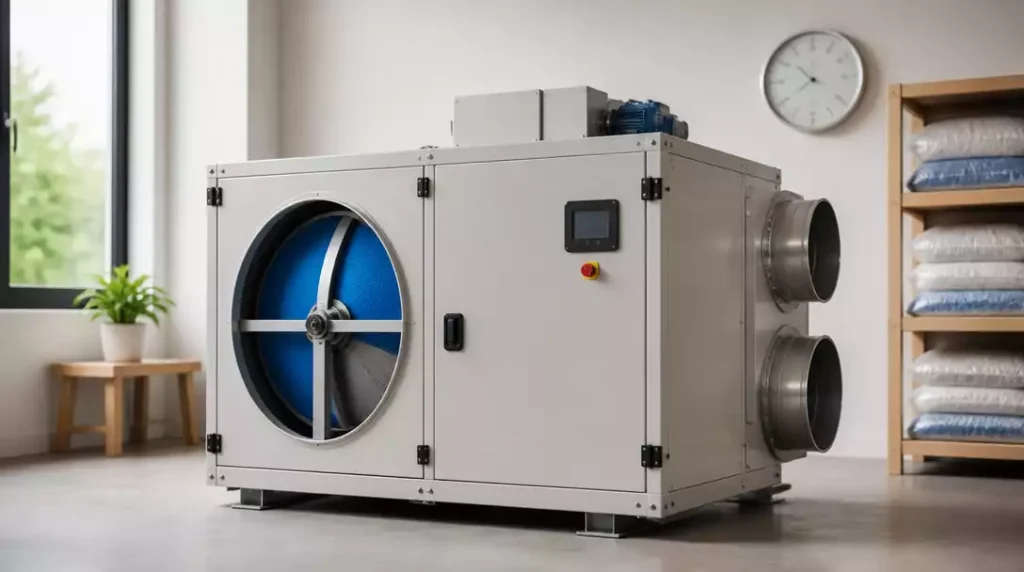
Did you know that proper humidity control can significantly enhance comfort and equipment longevity? Understanding the mechanics behind desiccant wheel dehumidifiers is crucial for optimizing their use in various environments.
What You Will Learn
- A desiccant wheel dehumidifier effectively manages humidity levels in various environments, including industrial and residential settings.
- These units operate efficiently in low temperatures, unlike traditional refrigerant-based systems, making them versatile for multiple applications.
- Understanding the dual airflow process—process air for dehumidification and regeneration air for recharging the desiccant—is key to effective usage.
- Selecting the appropriate desiccant material, such as silica gel or lithium chloride, is essential for optimizing dehumidifier performance.
- Regular maintenance and proper setup are crucial for ensuring long-term efficiency and effectiveness of desiccant wheel dehumidifiers.
Exploring the Desiccant Wheel Dehumidifier and Its Benefits
A desiccant wheel dehumidifier is a specialized device designed to control humidity levels in various environments. These units utilize a rotating wheel filled with desiccant material, making them efficient for moisture removal. Common applications include industrial settings, commercial spaces, and even residential areas where humidity control is crucial for comfort and equipment protection.
One of the standout features of desiccant wheel dehumidifiers is their ability to operate effectively in low temperatures, where traditional refrigerant-based systems may struggle. This versatility makes them a popular choice for applications ranging from food processing to pharmaceuticals.
What Is a Desiccant Wheel Dehumidifier?
At its core, a desiccant wheel dehumidifier is a device that uses a rotating wheel loaded with desiccant material to absorb moisture from the air. As air enters the unit, it passes through the wheel, where moisture is adsorbed onto the desiccant. This process continues until the wheel is saturated, at which point a regeneration cycle occurs to release the moisture and prepare the wheel for another round of adsorption.
- Rotating Design: The wheel continuously rotates to ensure optimal moisture absorption and regeneration.
- Low Temperature Efficiency: Works effectively in cooler environments, unlike many refrigerant systems.
- Energy Efficient: Generally consumes less energy compared to traditional dehumidifiers.
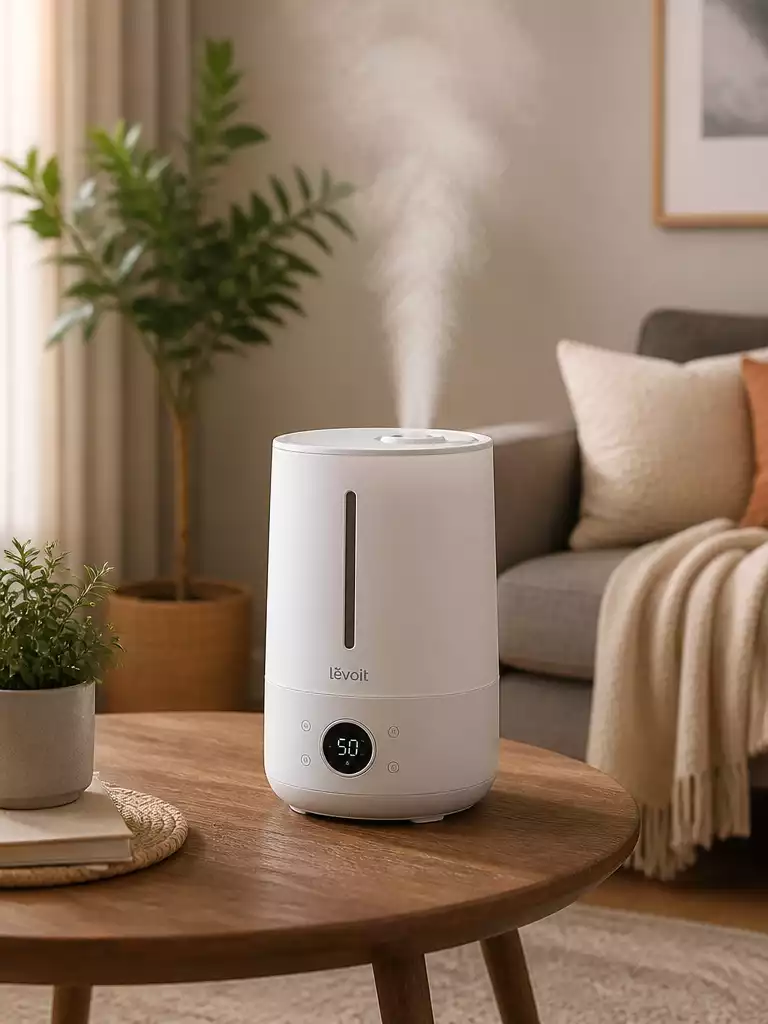
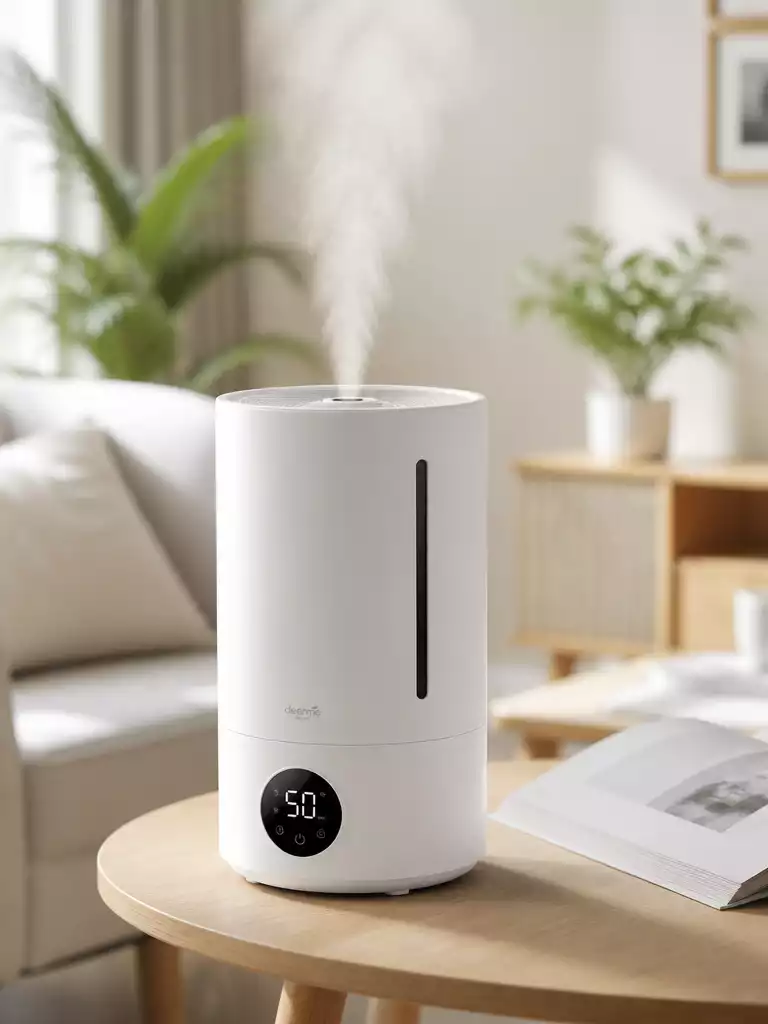
With these features, desiccant wheel dehumidifiers offer a reliable solution for maintaining desired humidity levels, which can be critical for both comfort and equipment longevity. For more information on how these devices stack up against other options, you might be interested in how a humidifier works in general.
How Does a Desiccant Wheel Dehumidifier Work?
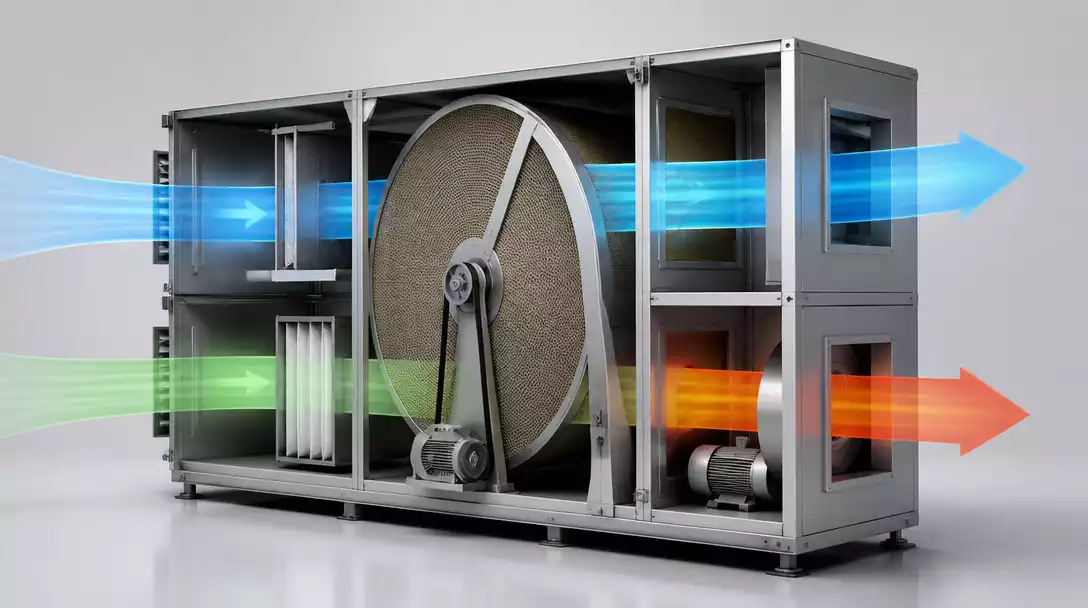
The operation of a desiccant wheel dehumidifier revolves around two primary air flows: process air and regeneration air. Process air is the moist air that needs dehumidification, while regeneration air is typically heated air used to dry the desiccant material. In the first phase, process air enters and travels through the wheel, allowing moisture to be adsorbed onto the desiccant.
Once the desiccant has reached its moisture-holding capacity, the system shifts to the regeneration phase. Heated air is blown through the wheel, which drives off the absorbed moisture, effectively “recharging” the desiccant for the next cycle. This dual-flow operation ensures that the dehumidifier can maintain consistent performance, keeping environments dry and comfortable.
The Role of Desiccant Materials in Moisture Removal
Desiccant materials are the heart of the dehumidification process. Common options include silica gel and lithium chloride, both renowned for their effectiveness in humidity control. Silica gel is widely used due to its high adsorption capacity and regeneration ability, while lithium chloride is particularly adept at moisture retention and works well in extreme conditions.
- Silica Gel: Non-toxic and reusable, making it ideal for various applications.
- Lithium Chloride: Offers excellent moisture absorption, especially in humid environments.
- Calcium Chloride: Commonly used for its cost-effectiveness and ability to function in high humidity.
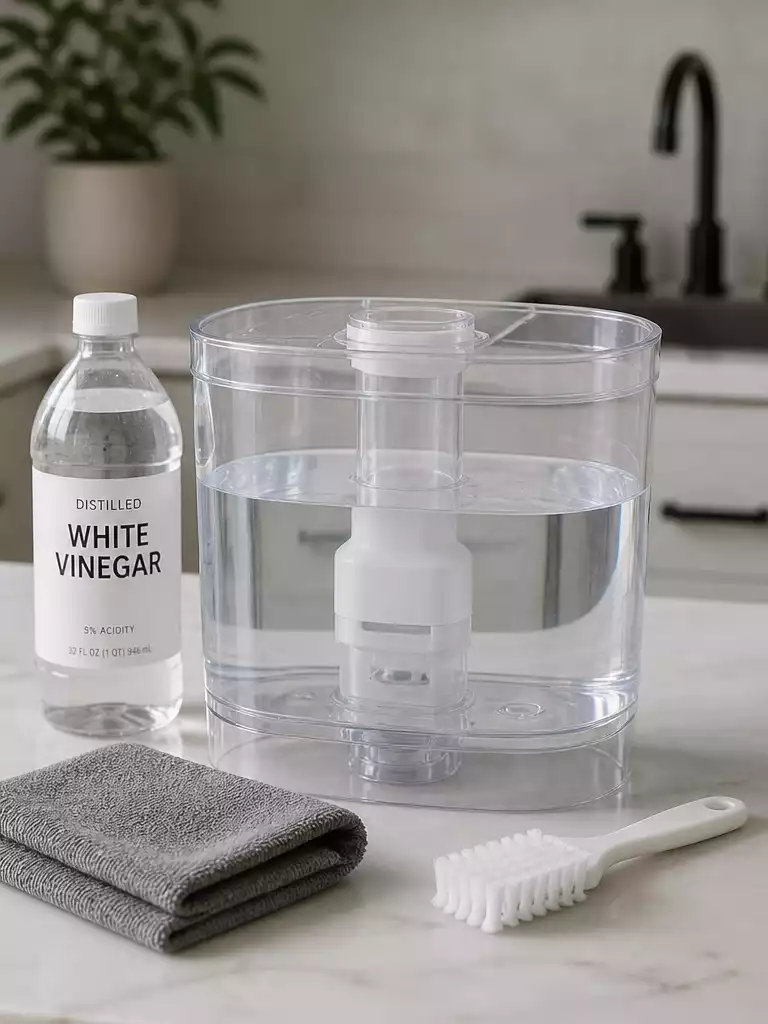
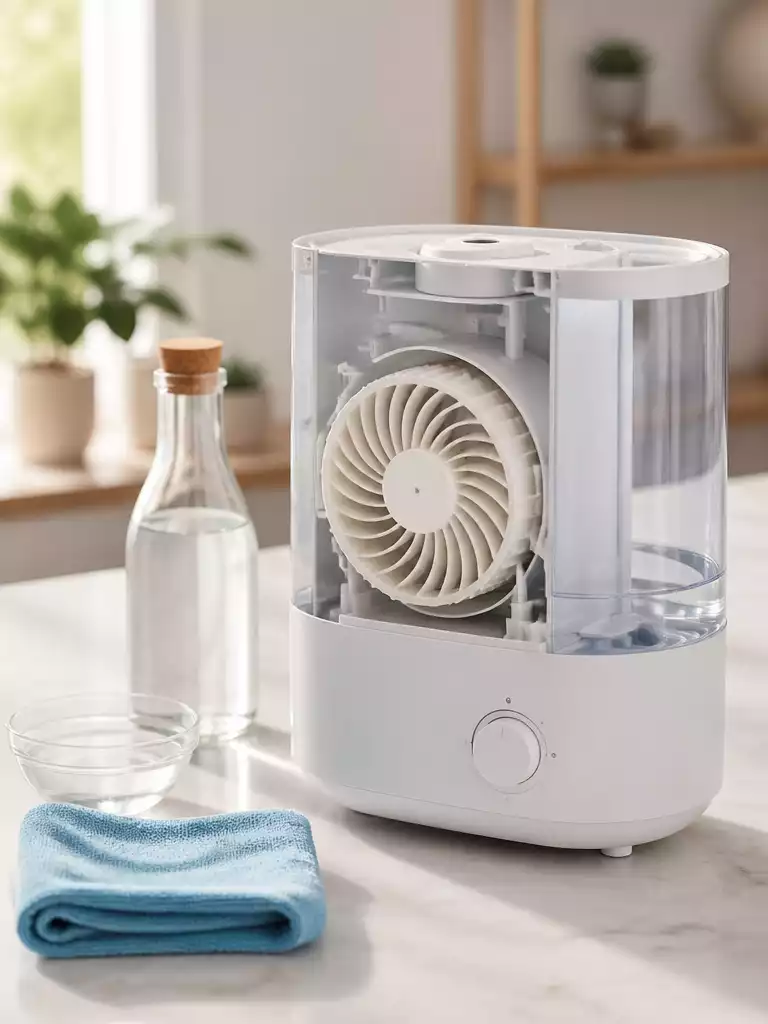
Choosing the right desiccant material is essential for optimizing the performance of your dehumidifier. Each material has unique properties that can influence the overall efficiency and effectiveness of humidity control. Proper maintenance, including knowing how to clean a dehumidifier, is also vital for extending the life of these materials and the unit itself.
Pro Tip
Did you know? Regularly monitoring your humidity levels can drastically improve the performance of your desiccant wheel dehumidifier. Using a hygrometer can help you maintain optimal conditions, ensuring the system operates efficiently and prolongs the lifespan of your equipment.
Frequently Asked Questions About Desiccant Wheel Dehumidifiers
- Q: What is a desiccant wheel dehumidifier?
- A: It’s a device that uses a rotating wheel containing desiccant material (like silica gel or lithium chloride) to absorb moisture from the air, effectively controlling humidity levels in various environments.
- Q: How do desiccant wheel dehumidifiers work?
- A: They operate with two airflows: process air, which passes through the desiccant wheel to be dehumidified, and regeneration air, which is heated to dry out the desiccant material, preparing it for further moisture absorption.
- Q: What are the main benefits of using a desiccant wheel dehumidifier?
- A: Key benefits include effective operation in low temperatures, energy efficiency compared to traditional refrigerant systems, and consistent performance for maintaining desired humidity levels.
- Q: What types of desiccant materials are used?
- A: Common materials include silica gel (known for its high adsorption capacity and reusability) and lithium chloride (excellent for moisture absorption, especially in humid conditions). Calcium chloride is also used for its cost-effectiveness.
- Q: Where are desiccant wheel dehumidifiers typically used?
- A: These units are widely used in industrial settings, commercial spaces, and residential areas where precise humidity control is essential, such as in food processing or pharmaceutical manufacturing.
Key Takeaways on Using a Desiccant Wheel Dehumidifier
In summary, using a desiccant wheel dehumidifier can significantly enhance moisture control in various environments. It’s crucial to understand its operation, proper setup, and maintenance requirements. By grasping these essentials, you can maximize efficiency and achieve optimal results.
- Know the operation: Familiarize yourself with how air intake, adsorption, and regeneration work.
- Proper setup: Ensure you have adequate airflow, ducting, and heater placement for best performance.
- Regular maintenance: Stay on top of cleaning and component checks to keep your system running smoothly. If you encounter issues like a dehumidifier fan motor not working, understanding these basics can help in troubleshooting.
With these key points in mind, you’re well-equipped to make the most of your dehumidifier, ensuring a comfortable and controlled environment!
Get Started with Your Desiccant Wheel Dehumidifier Today
Ready to tackle those humidity issues? I encourage you to evaluate your needs and consider investing in a desiccant wheel dehumidifier. It’s a fantastic solution for both residential and industrial settings!
- Assess your current humidity levels and requirements.
- Explore various models that fit your space and budget.
- Don’t hesitate to reach out for personalized advice on the best options for you!
By taking these steps, you’re not just improving air quality; you’re also making a smart investment in your comfort and efficiency. Let’s get started on your humidity control journey today!
Recap of Key Points
Here is a quick recap of the important points discussed in the article:
- Understanding Operation: Familiarize yourself with the air intake, adsorption, and regeneration processes of the dehumidifier.
- Proper Setup: Ensure adequate airflow, ducting, and heater placement to maximize performance.
- Regular Maintenance: Keep up with cleaning and component checks to ensure smooth operation.
- Desiccant Material Selection: Choose the right desiccant material like silica gel or lithium chloride for optimal humidity control.
- Evaluate Needs: Assess your current humidity levels and identify the best model that fits your space and budget.