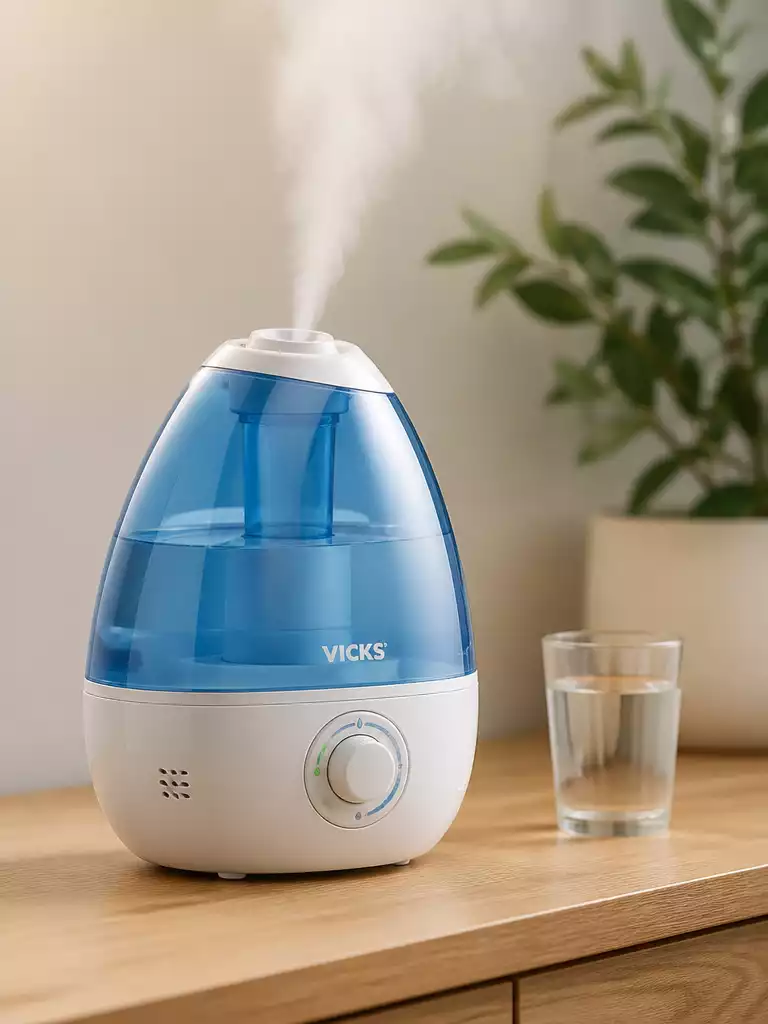
Did you know that maintaining the right humidity levels can significantly enhance your comfort and health? Here’s what you will learn about troubleshooting your Vicks humidifier and ensuring it runs smoothly.
What You Will Learn
- Common symptoms of a non-functioning humidifier include not powering on, no mist production, unusual noises, and leaks.
- To diagnose power issues, check the power source, cord, and fuse to ensure proper functionality.
- Regular cleaning prevents mineral buildup and ensures efficient performance; use distilled water for best results.
- Monitor indoor humidity levels and adjust settings for optimal mist output; place the humidifier away from walls.
- Identify signs of mold and bacteria by changing water daily and regularly cleaning all components.
- Decide whether to repair or replace your humidifier based on its age, frequency of repairs, and performance issues.
- Utilize customer service, online forums, and DIY videos for additional troubleshooting support.
- Understanding health benefits includes alleviating allergies, soothing dry skin, and improving breathing with proper humidity.
Troubleshooting Your Vicks Humidifier: Common Issues and Fixes
If you’re experiencing trouble with your Vicks humidifier, you’re not alone! Many users face similar challenges, such as the unit not powering on, failing to produce mist, or showing other signs of malfunction. Understanding these common issues is the first step towards getting your humidifier back in working order.
In this section, we’ll explore the key symptoms of a humidifier not working and provide practical solutions. Whether it’s a minor hiccup or something more serious, I’m here to help you navigate through the troubleshooting process!
Understanding the Key Symptoms of a Vicks Humidifier Not Working
It’s essential to recognize the symptoms that indicate your humidifier might not be functioning correctly. Here are some of the most common issues you might encounter:
- Unit won’t power on: This could point to power supply problems.
- No mist production: Lack of mist can stem from various factors, including water levels.
- Strange noises: Unusual sounds may indicate internal issues.
- Leaks or overflow: Water pooling around the unit can lead to larger problems.
By identifying these symptoms early, you can take appropriate steps to troubleshoot your humidifier. Remember, a little maintenance goes a long way in keeping your humidifier running smoothly!
Diagnosing Power Issues: Why Your Humidifier Won’t Turn On
If your humidifier won’t turn on, don’t panic! There are several straightforward steps you can take to diagnose the issue. Start by checking the power source:
- Ensure the humidifier is plugged in securely.
- Test the outlet by plugging in another device.
- Examine the power cord for any visible damage.
- Check the fuse if your model has one.
By following these steps, you can quickly determine if the issue lies with your humidifier or the power source itself. It’s always a good practice to keep an eye on these factors, as they can save you time and prevent frustration!
No Mist Production: Top Reasons and Quick Fixes
When your humidifier isn’t producing mist, it can be a bit concerning. Here are some common culprits to consider:
- Low water levels: Ensure the water tank is full.
- Poor placement: Avoid placing the humidifier near walls or furniture that could block the mist.
- Dirty components: Mineral buildup can affect performance.
By addressing these issues, you can often resolve the problem quickly. Remember, keeping an eye on water levels and ensuring proper placement can enhance your humidifier’s performance significantly!
Cleaning and Maintenance: Preventing Mineral Buildup
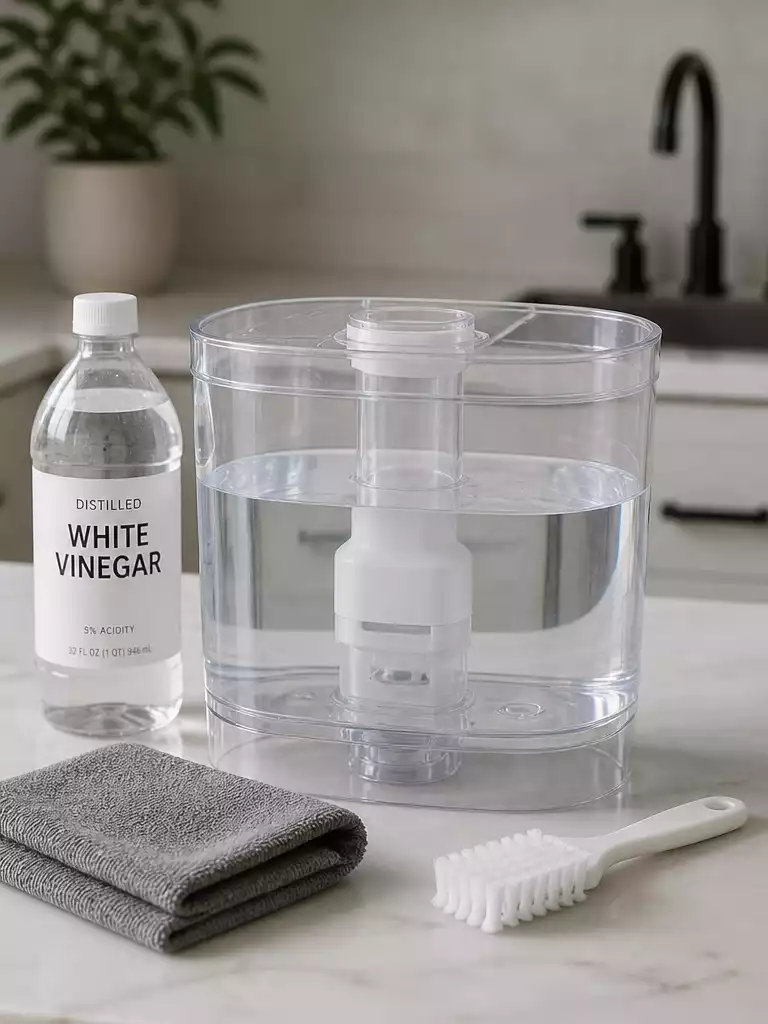
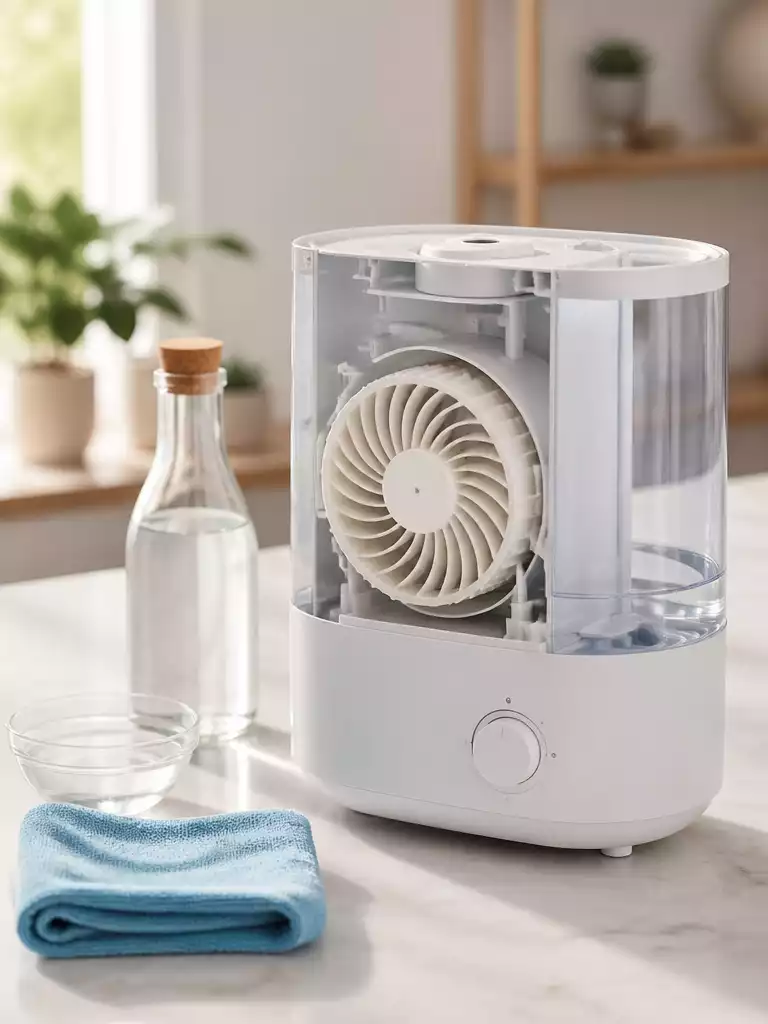
Regular cleaning is crucial for ensuring your humidifier continues to function efficiently. Here’s how to keep it in top shape:
- Clean the water tank every few days.
- Use a soft cloth to wipe down the nebulizer and heating element.
- Consider using distilled water to minimize mineral deposits.
By establishing a cleaning routine, you can prevent mineral buildup and extend the life of your humidifier. Trust me; your humidifier will reward you with fresher air and better performance!
Room Conditions: How Humidity Levels Affect Mist Output
Did you know that the humidity levels in your room can impact how well your humidifier performs? If the room is already very humid, the mist might not be as visible, affecting your perception of its functionality. Here are some things to keep in mind:
- Monitor indoor humidity levels with a hygrometer.
- Adjust settings based on the current humidity.
- Consider placing the humidifier in a drier area for better output.
Understanding room conditions can greatly improve your humidifier’s efficiency. A little adjustment can go a long way in enhancing your comfort!
Identifying Mold and Bacteria: Ensuring Healthy Humidifier Use
Keeping your humidifier clean is essential not just for performance but also for your health. Mold and bacteria can thrive in stagnant water, which can lead to poor air quality. Here’s how to prevent these issues:
- Change water daily to reduce stagnation.
- Regularly clean all components with vinegar or a recommended cleaning solution.
- Use a humidifier with anti-microbial features if possible.
By taking these preventive measures, you can ensure that your humidifier contributes positively to your indoor air quality! Remember, a little care goes a long way in promoting a healthy atmosphere in your home.
Pro Tip
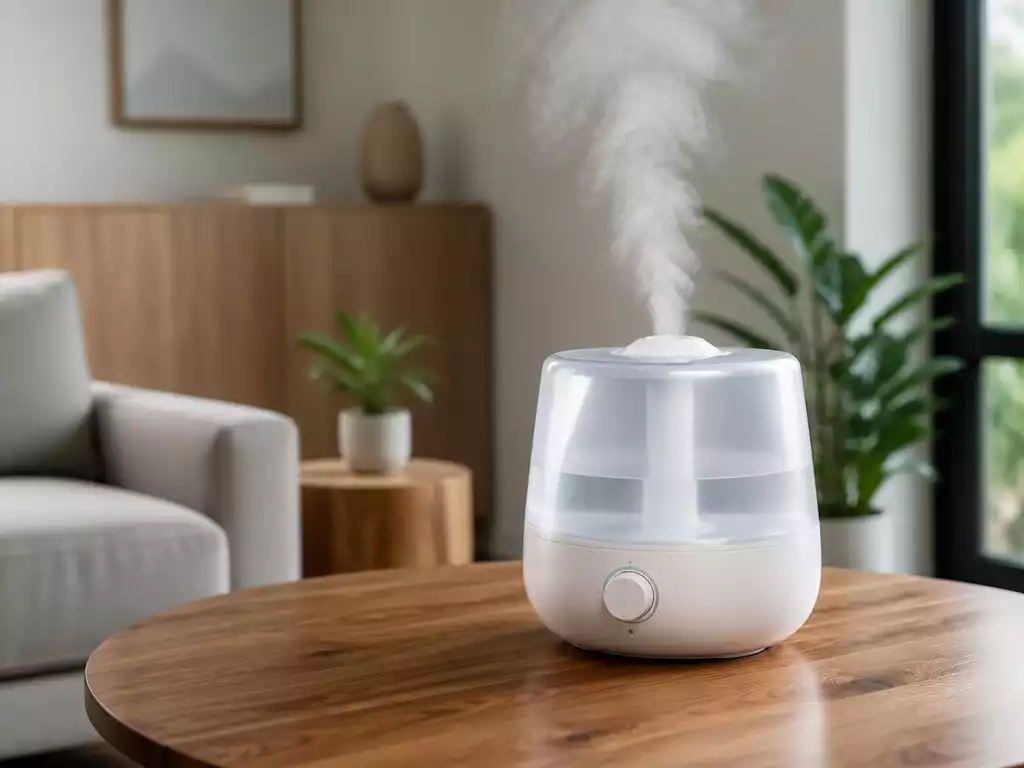
To enhance the performance of your Vicks humidifier, consider using a hygrometer to monitor the humidity levels in your home. Keeping humidity between 30% and 50% not only maximizes mist production but also promotes a healthier indoor environment.
Frequently Asked Questions About Your Vicks Humidifier
- Q: Why is my Vicks humidifier not producing mist?
- A: This could be due to low water levels, improper placement, or mineral buildup on internal components. Check these factors first.
- Q: How often should I clean my Vicks humidifier?
- A: It’s recommended to clean the water tank every few days and perform a more thorough cleaning of all components weekly to prevent mineral buildup, mold, and bacteria.
- Q: Can I use tap water in my Vicks humidifier?
- A: While you can, using distilled water is highly recommended. Tap water contains minerals that can lead to significant buildup, reducing efficiency and potentially harboring bacteria.
- Q: What should I do if my humidifier won’t turn on?
- A: First, ensure it’s securely plugged into a working outlet. Check the power cord for damage and, if your model has one, inspect the fuse.
- Q: How does room humidity affect my humidifier’s mist output?
- A: If your room is already humid, the mist from your humidifier may not be as visible. Use a hygrometer to monitor indoor humidity and adjust settings accordingly for optimal performance.
Taking Action: When to Repair vs. Replace Your Humidifier
Deciding whether to repair or replace your Vicks humidifier can be tricky! Understanding the symptoms and the age of your unit are crucial in making this decision. Generally, if your humidifier is several years old and experiencing persistent problems, it may be time to consider a replacement.
Here are a few key factors that can help you decide:
- Age of the Humidifier: If your humidifier is over 5 years old, assess its overall performance.
- Frequency of Repairs: If you find yourself repairing it often, it might be more cost-effective to invest in a new unit.
- Performance Issues: Continuous problems with mist production or leaks often signal the need for a new humidifier.
Remember, it’s important to weigh the cost of repairs against the price of a new unit. In my experience, sometimes investing in a new model can save you both time and frustration!
Gathering Support: Where to Find Additional Help
If you’re unsure about the next steps, there are plenty of resources to help troubleshoot your humidifier. First, Vicks offers a solid customer service team that can walk you through various issues. Don’t hesitate to reach out!
- Vicks Customer Service: They can provide insights specific to your model and guide you through troubleshooting.
- Online Forums: Communities like Reddit can be valuable for shared experiences and practical advice from fellow users.
- DIY Videos: Sometimes, a visual guide can make all the difference in understanding how to fix common problems.
Combining various support options can give you a well-rounded view of your humidifier’s issues. Community support can be particularly enlightening, as you may find others who faced similar challenges!
Exploring Customer Reviews and Expert Opinions
Analyzing customer reviews and expert opinions can provide valuable insight into the performance of Vicks humidifiers. Customer feedback often reveals common issues and the reliability of different models, while expert reviews can highlight unique features or improvements.
- Performance Ratings: Look for models that consistently receive high ratings for efficiency and durability.
- User Experiences: Pay attention to comments about ease of maintenance and troubleshooting.
- Expert Recommendations: Blogs and articles from HVAC experts can guide you toward the best options for your needs.
By taking the time to look at both user experiences and expert insights, you can make a more informed decision about your humidifier. This will not only help you feel confident in your choice but may also ensure you select a model that truly meets your needs!
Final Thoughts on Maintaining Your Vicks Humidifier
Regular Maintenance for Long-Lasting Performance
Keeping your Vicks humidifier running smoothly requires regular maintenance. This includes routine cleaning, timely troubleshooting, and being proactive with repairs. By staying on top of these tasks, your humidifier can serve you well for years.
Here are some essential maintenance tips:
- Weekly Cleaning: Clean your humidifier weekly to prevent mineral buildup.
- Filter Replacement: Change filters as recommended by the manufacturer for optimal performance.
- Water Quality: Use distilled water when possible to minimize deposits and improve efficiency.
Regular maintenance not only prolongs the life of your unit but also enhances the quality of the air you breathe.
Understanding the Health Benefits of Using a Humidifier
Humidifiers are more than just appliances; they can significantly improve your health! By adding moisture to the air, they help alleviate symptoms of respiratory issues, reduce allergy triggers, and even relieve dry skin. It’s amazing how a little humidity can make such a big difference!
Consider these health benefits:
- Alleviating Allergies: Humidity can help reduce dust and allergens in the air.
- Soothing Dry Skin: A humidifier can help keep your skin hydrated, especially in winter.
- Improving Breathing: Moist air can ease breathing difficulties and facilitate a good night’s sleep.
Integrating a humidifier into your home can transform your living space into a sanctuary of comfort and health!
Improving Sleep Quality and Comfort with Proper Humidity Control
Maintaining optimal humidity levels can greatly enhance your sleep quality. A well-humidified room helps prevent dry throat and nasal passages, making it easier to breathe comfortably through the night. You wake up feeling refreshed and ready to tackle the day!
To ensure your sleeping environment is perfectly balanced:
- Monitor Humidity Levels: Use a hygrometer to keep track of the humidity in your room.
- Adjust Settings: Make adjustments to your humidifier based on seasonal changes.
- Bedtime Routine: Consider running your humidifier as part of your bedtime routine for optimal comfort.
By focusing on proper humidity control, you’re not just investing in a humidifier; you’re investing in better sleep and overall well-being!
Recap of Key Points
Here is a quick recap of the important points discussed in the article:
- Common Symptoms: Identify key symptoms like power issues, lack of mist, strange noises, and leaks.
- Power Troubleshooting: Check power source connections, test outlets, and inspect power cords.
- Mist Production Fixes: Ensure adequate water levels, proper placement, and clean components.
- Regular Cleaning: Clean the humidifier weekly and use distilled water to prevent mineral buildup.
- Humidity Monitoring: Use a hygrometer to maintain optimal humidity levels for improved comfort.
- Health Benefits: Humidifiers can alleviate allergies, soothe dry skin, and improve breathing.
- Maintenance Tips: Change filters regularly and monitor room conditions for better performance.