
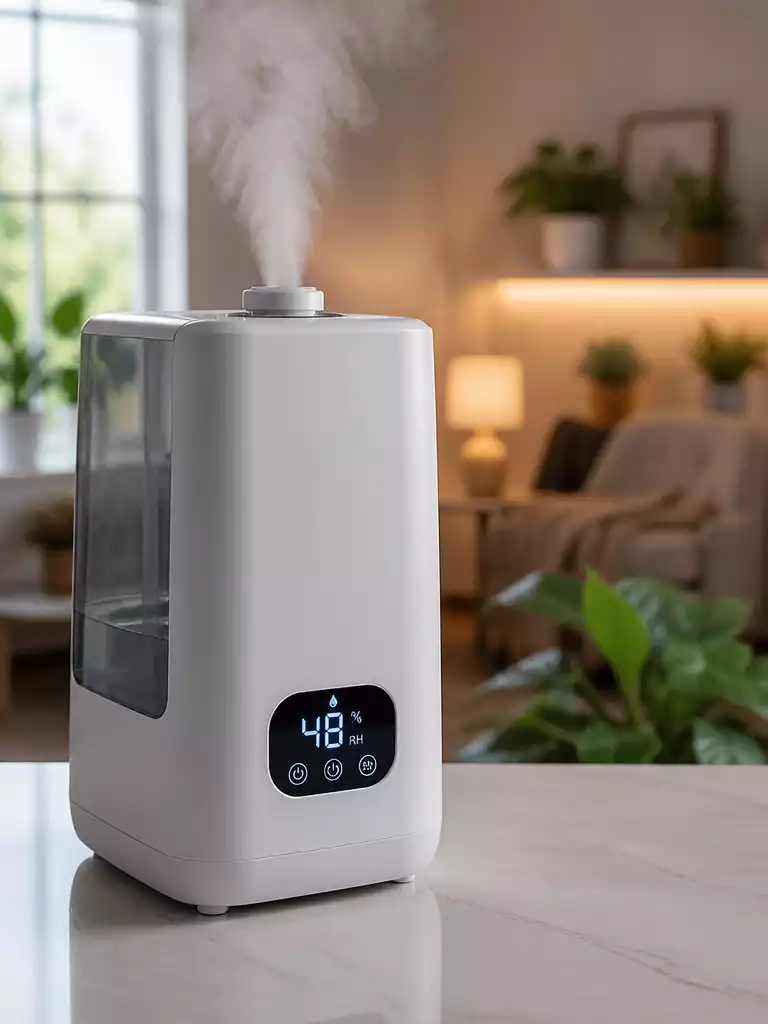
Understanding the intricacies of your humidifier’s sensor can significantly enhance the air quality in your home. Have you ever wondered how these small devices maintain the perfect balance of humidity? Let’s delve into some essential insights that can empower you in your humidifier maintenance journey.
What You Will Learn
- The role of humidifier sensors in regulating humidity and ensuring comfort.
- Common symptoms that indicate a malfunctioning humidifier sensor.
- How ambient humidity levels directly affect your humidifier’s performance.
- Key steps for troubleshooting and maintaining your humidifier for optimal operation.
- User experiences that highlight practical solutions to common humidifier issues.
Understanding Humidifier Sensors and Common Issues
It’s essential to grasp how humidifier sensors work to keep your air comfortable and healthy. A humidifier sensor is the brain of your device—it detects the humidity levels in your home and regulates the output accordingly. It ensures your space isn’t too dry or too humid, which can lead to discomfort or even health problems. Understanding this basic functionality helps you troubleshoot issues effectively.
In my experience with various humidifiers, I’ve seen how a well-functioning sensor can make a world of difference. If you’ve ever walked into a room that feels just right, it’s likely thanks to a reliable humidifier sensor doing its job!
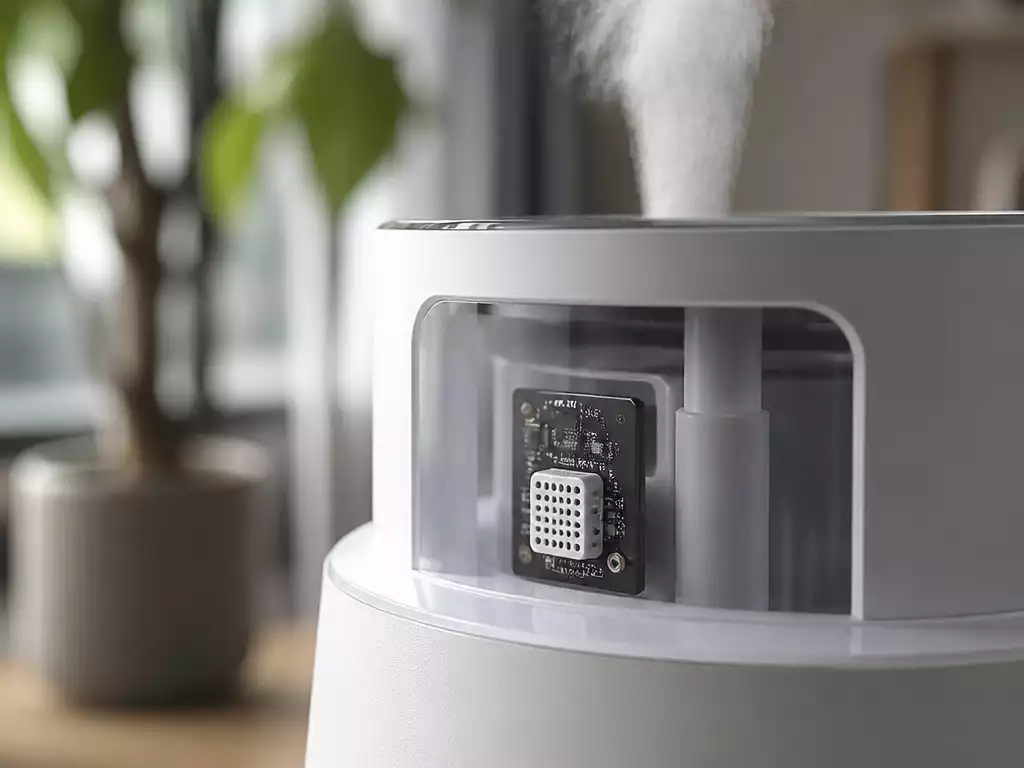
What is a Humidifier Sensor and How Does It Work?
A humidifier sensor measures the moisture content in the air. When the humidity drops below a preset level, it signals the humidifier to release moisture. Conversely, once the target level is reached, the sensor tells the device to stop. This cycle helps maintain optimal humidity levels, ensuring comfort in your home.
- Types of Sensors: Humidifiers may use resistive or capacitive sensors, each with its own working principle.
- Placement: Proper placement of the sensor is crucial for accurate readings; it should be away from walls and direct airflow.
- Calibration: Regular calibration ensures that the sensor gives accurate readings.
By understanding these components, you’ll be better equipped to handle any issues. When your humidifier isn’t performing as expected, knowing the role of the sensor can guide your troubleshooting process!
Identifying Symptoms of a Malfunctioning Humidifier Sensor
Recognizing the signs of a malfunctioning humidifier sensor can save you time and frustration. Some common symptoms include inconsistent humidity levels, unusual noises from the unit, or the humidifier running continuously without stopping. These issues often indicate that the sensor isn’t functioning correctly.
- Inconsistent readings: If your hygrometer shows fluctuating levels, your sensor might be failing.
- Unit not turning off: A sensor that fails to detect adequate moisture can cause the humidifier to run non-stop.
- Increased energy bills: Continuous operation can lead to higher energy costs, alerting you to a potential sensor issue.
These symptoms can be pretty concerning, especially if you rely on your humidifier for comfort. If you notice any of these signs, it’s time to investigate further!
How Humidity Levels Affect Humidifier Performance
The performance of your humidifier is directly tied to the ambient humidity levels. If the air in your home is particularly dry, your unit will work overtime to compensate. Conversely, in a more humid environment, the humidifier may not need to operate at all.
- Dry climates: In areas with low humidity, such as deserts, a humidifier is vital for health and comfort.
- Seasonal changes: Winter often brings dry air, making your humidifier essential during this time.
- Indoor activities: Activities like cooking can temporarily increase humidity levels, affecting how your humidifier operates.
Understanding these dynamics can help you adjust your expectations and settings. It’s a balancing act, but knowing how humidity affects performance can lead to better management of your device!
Pro Tip
Did you know? Regularly checking and replacing the water in your humidifier can significantly enhance its performance. Using distilled water can prevent mineral buildup, which is a common cause of sensor malfunctions. Keep your humidifier clean and well-maintained to ensure optimal operation!
Wrapping Up Humidifier Sensor Troubleshooting
It’s been quite a journey understanding and addressing humidifier sensor issues. I hope the steps and tips provided have been helpful in guiding you through troubleshooting your humidifier. Let’s recap some of the key points to ensure you’re fully equipped to tackle any problems that may arise.
From checking the power supply and water levels to maintaining cleanliness and inspecting vital components, these actions can significantly improve your humidifier’s performance. Remember, a well-maintained humidifier not only enhances comfort but also promotes better air quality in your home!
Summary of Key Steps and Solutions
- Start with initial checks: ensure the power is on and the water tank is properly seated.
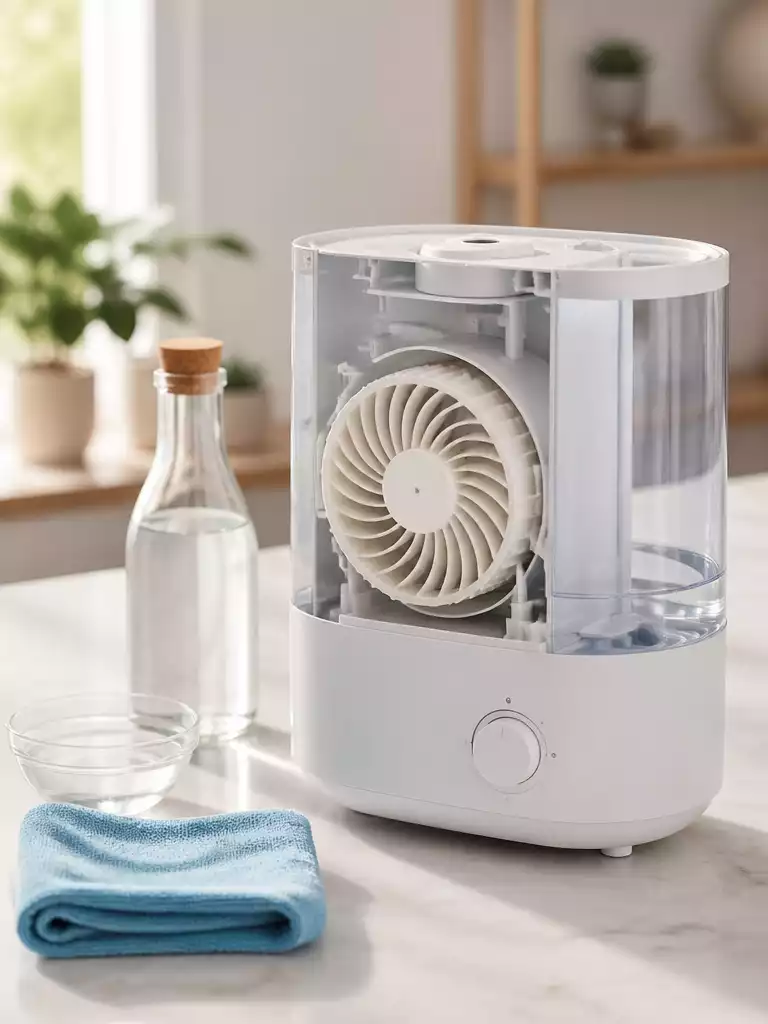
- Regularly clean the humidifier sensor to prevent mineral buildup.
- Inspect float and tank components for any malfunctions.
- When necessary, reset your humidifier sensor to restore functionality.
- Consider replacement only if cleaning doesn’t resolve issues.
These steps not only diagnose common sensor issues but also keep your humidifier running smoothly. If you find yourself stuck or the problem persists, don’t hesitate to reach out to professionals who can provide you with further assistance.
Frequently Asked Questions
- What are the signs that my humidifier sensor is failing?
- Common signs include inconsistent humidity readings, the unit running continuously without stopping, or the humidifier failing to turn on when humidity is low. Increased energy bills due to continuous operation can also be an indicator.
- How often should I clean my humidifier sensor?
- It is recommended to clean your humidifier sensor regularly, ideally every one to two weeks, especially if you live in an area with hard water. Mineral buildup is a common cause of sensor malfunction.
- Can I use vinegar to clean my humidifier sensor?
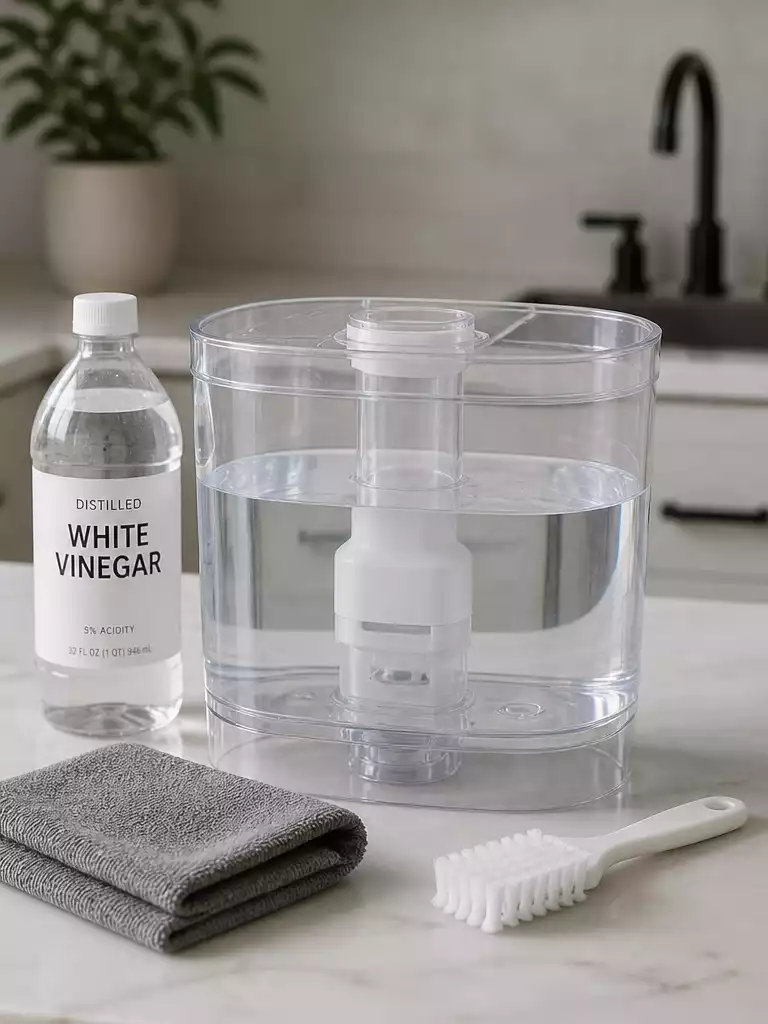
- Yes, a diluted vinegar solution (equal parts white vinegar and water) is often recommended for cleaning humidifier components, including the sensor. Always refer to your humidifier’s user manual for specific cleaning instructions to avoid damage.
- What should I do if my humidifier keeps shutting off?
- If your humidifier keeps shutting off, first check the water level and ensure the tank is properly seated. If these are not the issues, the sensor might be incorrectly detecting high humidity or indicating a false error. Cleaning the sensor or resetting the unit might resolve this.
- Does using distilled water really make a difference for sensor performance?
- Yes, using distilled water can significantly improve sensor performance and overall humidifier longevity. Distilled water prevents mineral buildup (white dust) on the sensor and other components, which is a primary cause of malfunctions and reduced efficiency.
User Reviews and Feedback on Common Humidifier Problems
Hearing from other users can be incredibly valuable when troubleshooting humidifier sensor issues. Many have shared their experiences about dealing with malfunctioning sensors and how they managed to resolve them. Here are a few common themes from user reviews:
- Frequent cleaning solved most sensor issues for many users.
- Replacing mineral-laden water with distilled water improved performance.
- Power fluctuations were cited as a leading cause for sensor failures.
These insights not only provide reassurance but also offer practical solutions drawn from real-world experiences. Remember, you’re not alone in navigating these challenges, and learning from others can lead to successful outcomes!
Recap of Key Points
Here is a quick recap of the important points discussed in the article:
- Understand the role of humidifier sensors in maintaining optimal humidity levels.
- Recognize symptoms of malfunctioning sensors, such as inconsistent readings and continuous operation.
- Acknowledge how ambient humidity affects your humidifier’s performance and operation.
- Follow key troubleshooting steps: check power, clean sensors, inspect components, and consider professional help if needed.
- User experiences highlight the importance of regular maintenance and the use of distilled water for better results.
Pingback: Levoit Humidifier Red Light? Causes and Solutions
Pingback: honeywell humidifier red light