
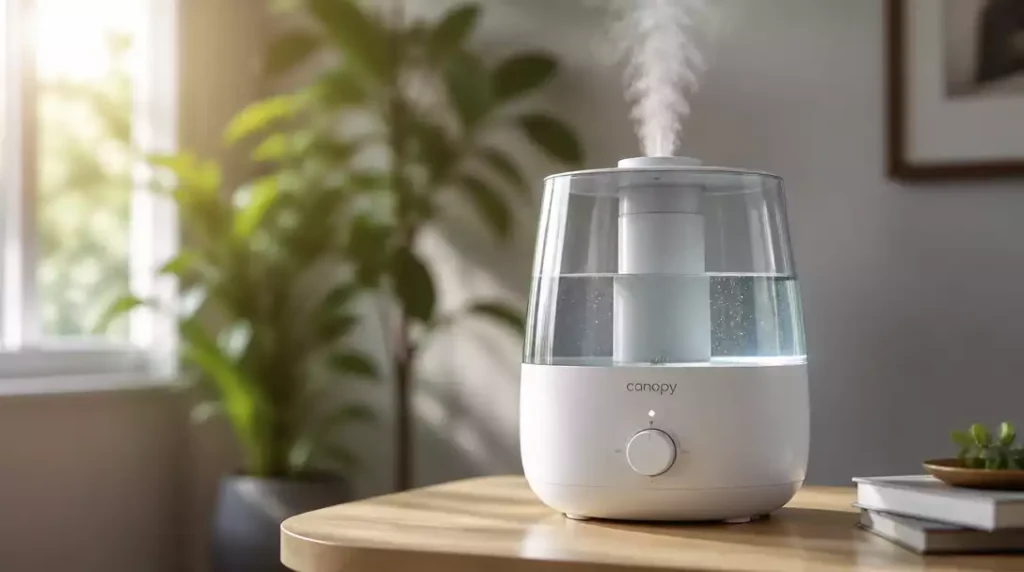
Did you know that maintaining optimal humidity levels in your home can enhance your overall well-being? Canopy humidifiers are not just about comfort; they play a vital role in improving air quality and supporting your health.
What You Will Learn
- Canopy humidifiers maintain optimal humidity levels, crucial for comfort and health.
- They operate quietly and efficiently, ideal for spaces like nurseries and bedrooms.
- Smart sensors in canopy humidifiers automatically adjust humidity levels, conserving energy and water.
- Using a canopy humidifier can improve respiratory health by preventing dryness and irritating symptoms.
- Maintaining balanced humidity levels enhances sleep quality and overall indoor air quality.
- Regular maintenance and troubleshooting are essential for optimal operation of your humidifier.
Canopy Humidifiers and Their Operation
Canopy humidifiers are becoming a popular choice for enhancing indoor air quality. These devices are designed to maintain optimal humidity levels in your space, which is crucial for comfort and health. When I first started using one in my office, I noticed an immediate difference in how my skin felt and how easily I could breathe during dry months!
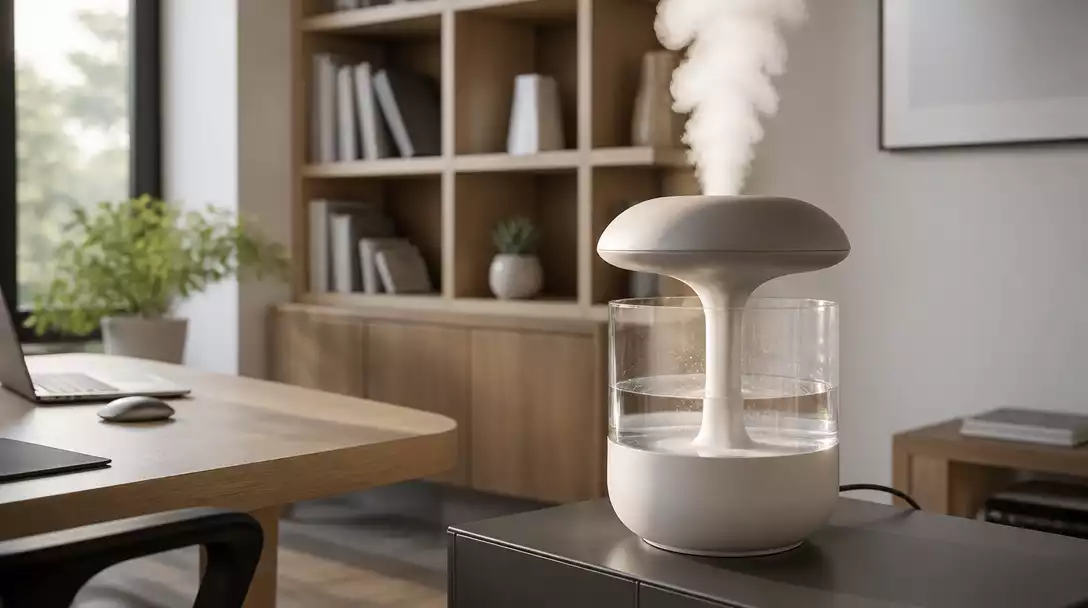
So, what exactly is a canopy humidifier? In essence, it’s a device that releases moisture into the air, combating dryness that can lead to various health issues. Not only do they keep the air moist, but they also help in creating a more comfortable living environment, especially during winter or in arid climates.
What is a Canopy Humidifier?
A canopy humidifier is a specific type of humidifier that typically operates quietly and efficiently. These units are often designed to be placed in a room, distributing humidity evenly throughout the space. They can be especially beneficial in nurseries, living rooms, or any area where you spend a lot of time.
- Quiet Operation: Great for sleeping environments.
- Even Humidity Distribution: Ensures consistent moisture levels.
- Smart Technology: Some models offer app connectivity for monitoring.
The benefits of using a canopy humidifier extend beyond just comfort. They can help combat common issues like dry skin, static electricity, and even respiratory problems. From my experience, I’ve really appreciated how they create a more welcoming atmosphere! For more general information on how these devices work, you can check out our guide on how a humidifier works.
Key Features and Benefits of Using a Canopy Humidifier
When investing in a canopy humidifier, it’s essential to know what features to look for. Here are some key aspects that I believe make these devices stand out:
- Automatic Humidity Control: Many units come with built-in sensors that automatically adjust humidity levels.
- Energy Efficient: They are designed to use less power while delivering maximum performance.
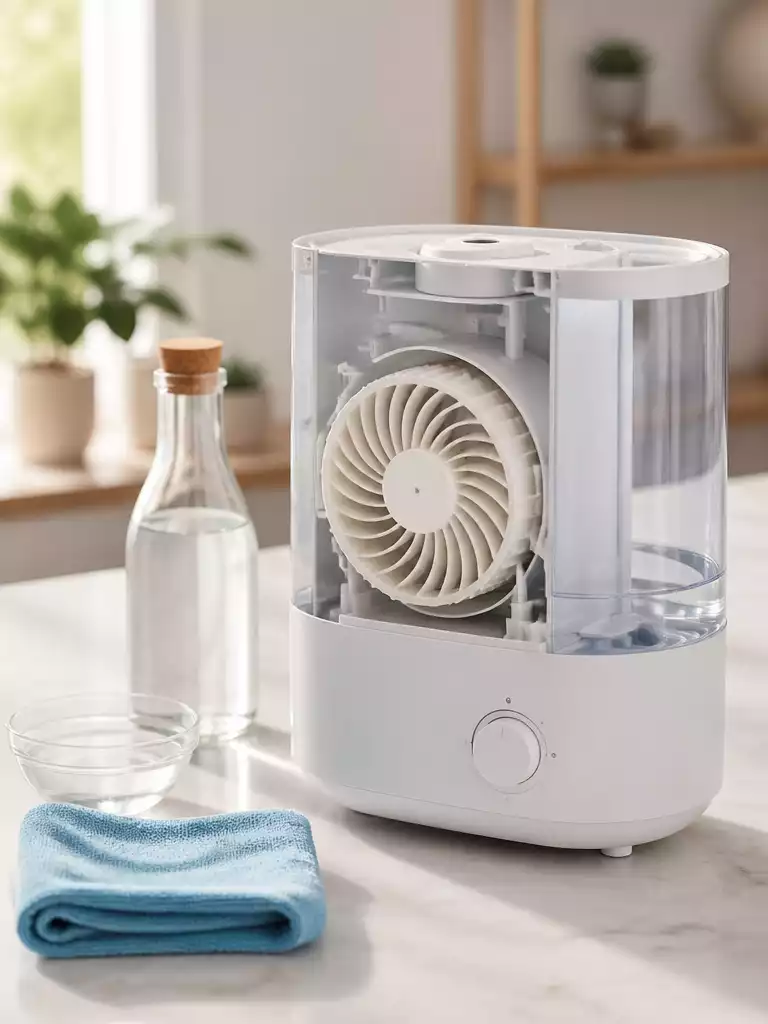
- Easy Maintenance: Most models are user-friendly, making cleaning and upkeep a breeze.
The main benefit is that they provide relief from dry indoor air, which can be particularly helpful during the winter months. I’ve found that regular use has significantly improved my respiratory comfort, especially during allergy seasons!
How Does a Canopy Humidifier Work?
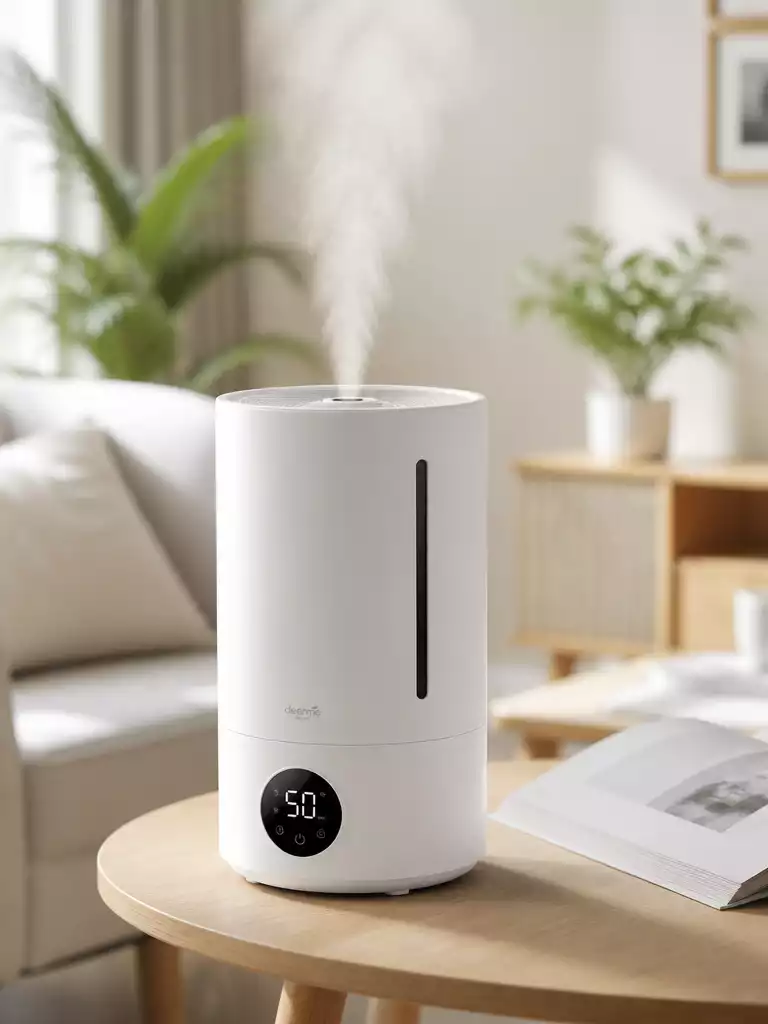
So, how do these nifty devices actually work? A canopy humidifier typically utilizes ultrasonic technology to create a fine mist of water that disperses into the air. This method is efficient and helps maintain the desired humidity level without making the air feel heavy.
What really sets canopy humidifiers apart is the integration of smart sensors. These sensors monitor the room’s humidity levels and adjust the device’s output accordingly. This not only ensures optimal humidity but also conserves water and energy.
The Role of Smart Sensors in Humidity Detection
Smart sensors play a pivotal role in how effectively a canopy humidifier operates. They measure the current humidity in the room and communicate with the device to maintain consistent moisture levels. This means you can set it and forget it, allowing for hands-free convenience!
When I see my humidifier adjusting itself, I know it’s working hard to keep my space comfortable. This feature not only enhances the device’s effectiveness but also ensures you’re not wasting energy or water.
Understanding Ultrasonic Technology in Canopy Humidifiers
Ultrasonic technology is what makes these humidifiers so efficient. By using high-frequency vibrations, they convert water into tiny droplets, creating a cool mist that is then released into the air. This process is silent, making it perfect for bedrooms and quiet offices.
- Quiet Operation: No annoying noises to disrupt your peace.
- Fine Mist: Ensures moisture is evenly distributed throughout the room.
- Low Energy Consumption: Eco-friendly and cost-effective.
In my experience, ultrasonic canopy humidifiers not only provide moisture but also help to purify the air by trapping dust and allergens in the water tank. It’s a win-win for those of us who value air quality!
Health Benefits of Using Canopy Humidifiers
Using a canopy humidifier can lead to several health benefits that many overlook. By keeping the humidity levels balanced, these devices help prevent dryness that can irritate the respiratory system.
For example, if you suffer from allergies or asthma, maintaining proper moisture levels can make a noticeable difference in your symptoms. I’ve personally felt the effects when I switched to using a humidifier regularly—it’s a game-changer!
Improving Respiratory Health and Sinus Relief
One of the primary health benefits associated with using a canopy humidifier is improved respiratory health. When air is too dry, it can lead to nasal congestion, dry throats, and increased susceptibility to respiratory infections. By maintaining adequate humidity levels, you’re not only easing discomfort but also supporting your immune system!
- Reduces Allergens: Helps to trap dust and pollen.
- Soothes Irritated Airways: Keeps your airways moist and prevents irritation.
- Alleviates Sinus Pressure: Makes breathing easier during allergy seasons.
When my son had a cold, I noticed that running the humidifier helped ease his cough and made it easier for him to sleep. It’s amazing how such a simple appliance can have such a profound impact! If you ever face issues with your humidifier not steaming, you might find solutions in our article on Crane humidifier not steaming.
The Impact on Sleep Quality and Indoor Air Quality
A canopy humidifier can significantly enhance your sleep quality. Dry air can disrupt your sleep, leading to a restless night of tossing and turning. By adding moisture to the air, you can create a more conducive sleeping environment.
Moreover, improved indoor air quality thanks to the humidifier can lead to fewer allergies and better overall health. When you breathe easier, you’re more likely to enjoy a restful night’s sleep. I’ve found that I wake up feeling refreshed and ready to take on the day!
Pro Tip
Did you know? Regularly using distilled water in your canopy humidifier not only improves its efficiency but also helps prevent the buildup of mineral deposits. This simple switch can extend the life of your device and keep the mist clean and safe for breathing!
Frequently Asked Questions About Canopy Humidifiers
- Q: What are the main benefits of using a canopy humidifier?
- A: Canopy humidifiers help maintain optimal humidity levels, improving indoor air quality, enhancing comfort, reducing dry skin and respiratory issues, and improving sleep quality. They are also typically quiet and energy-efficient.
- Q: How does a canopy humidifier differ from other types of humidifiers?
- A: Canopy humidifiers often use ultrasonic technology for quiet operation and fine mist distribution. They frequently include smart sensors for automatic humidity control, making them precise and energy-efficient compared to simpler models.
- Q: Can a canopy humidifier help with allergies or asthma?
- A: Yes, by maintaining proper moisture levels, canopy humidifiers can alleviate symptoms associated with dry air, such as nasal congestion and irritated airways. This can be particularly beneficial for individuals suffering from allergies or asthma.
- Q: How often should I clean my canopy humidifier?
- A: Regular cleaning is crucial for optimal performance and hygiene. It’s generally recommended to clean your humidifier every few days or at least once a week to prevent mineral buildup and mold growth. Using distilled water can also help reduce maintenance needs.
- Q: What should I do if my canopy humidifier isn’t producing mist?
- A: First, check the water level and ensure the unit is properly plugged in. If these aren’t the issue, inspect the ultrasonic plate for mineral buildup and clean it. If problems persist, it might indicate a more significant issue requiring professional help or replacement. You might also find our article on humidifier won’t turn on after cleaning helpful for troubleshooting.
Conclusion: Ensuring Your Canopy Humidifier Operates Effectively
As we wrap up our conversation about canopy humidifiers, it’s essential to focus on a few key points to ensure your device is running at peak performance. Regular maintenance and knowing how to troubleshoot common issues can significantly enhance your humidifier’s efficiency. Here’s a quick recap of those vital troubleshooting steps:
- Check the water level frequently to ensure proper operation.
- Inspect filters to maintain optimal airflow and humidity output.
- Monitor for unusual sounds or fluctuations in performance, indicating possible issues.
By keeping these steps in mind, you can avoid unnecessary frustrations and enjoy the full benefits of your canopy humidifier!
When to Consider Replacement or Professional Help
It’s important to recognize when your humidifier may need a little extra care or replacement. If you notice persistent issues that troubleshooting can’t resolve, it might be time to think about professional assistance or even a new unit. Signs that indicate you might need help include:
- Your humidifier is producing little to no mist.
- Frequent error codes or flashing indicators on the control panel.
- Water leaks or strange odors coming from the device.
Don’t hesitate to reach out to a professional if these signs appear! A little help can go a long way in ensuring your home remains a healthy and comfortable space. For specific problems, like a Honeywell humidifier red light, we have dedicated troubleshooting guides.
Engage and Stay Informed
Share Your Experiences and Solutions
I love hearing from fellow users about their experiences with canopy humidifiers! If you’ve faced challenges or found solutions, please share them. Your insights could help someone else in our community!
Subscribe for More Tips on Humidifier Care
Don’t miss out on more useful tips and tricks! Subscribe to our newsletter for regular updates on humidifier care and other wellness devices. Staying informed is key to maximizing your home’s comfort!
Explore the Benefits of Other Home Wellness Devices
While your canopy humidifier is crucial for maintaining optimal humidity levels, consider exploring other home wellness devices. From air purifiers to essential oil diffusers, a range of products can enhance your living environment. Let’s keep our homes healthy together!
Recap of Key Points
Here is a quick recap of the important points discussed in the article:
- Canopy humidifiers maintain optimal humidity levels, enhancing indoor air quality and comfort.
- Key features include automatic humidity control, energy efficiency, and easy maintenance.
- Ultrasonic technology provides quiet operation and fine mist for even humidity distribution.
- Regular maintenance is crucial for peak performance; check water levels and inspect filters.
- Recognize signs that indicate the need for replacement or professional help, such as little to no mist production.
Pingback: How to Use a Canopy Humidifier Properly