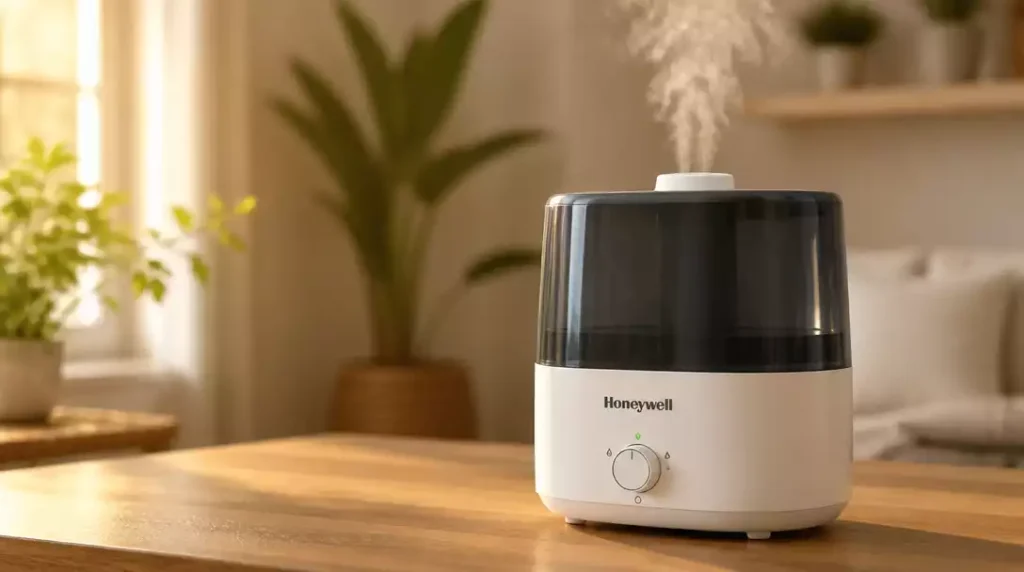
What if a simple addition to your home could significantly enhance your comfort and well-being? Discover how a Honeywell humidifier can transform your indoor environment into a sanctuary of moisture and health.
What You Will Learn
- Honeywell humidifiers add moisture to the air, alleviating issues like dry skin and sore throats.
- Optimal indoor humidity levels should be maintained between 30-50% for better health and comfort.
- Regular maintenance, including cleaning and using distilled water, is crucial for effective operation.
- Key features to consider include tank size, humidistat, adjustable nozzles, and filter types.
- Improved indoor air quality can reduce the risk of respiratory issues and allergy symptoms.
- Many Honeywell models include safety features like automatic shut-off mechanisms to prevent overheating.
Understanding Your Honeywell Humidifier: A Comprehensive Guide
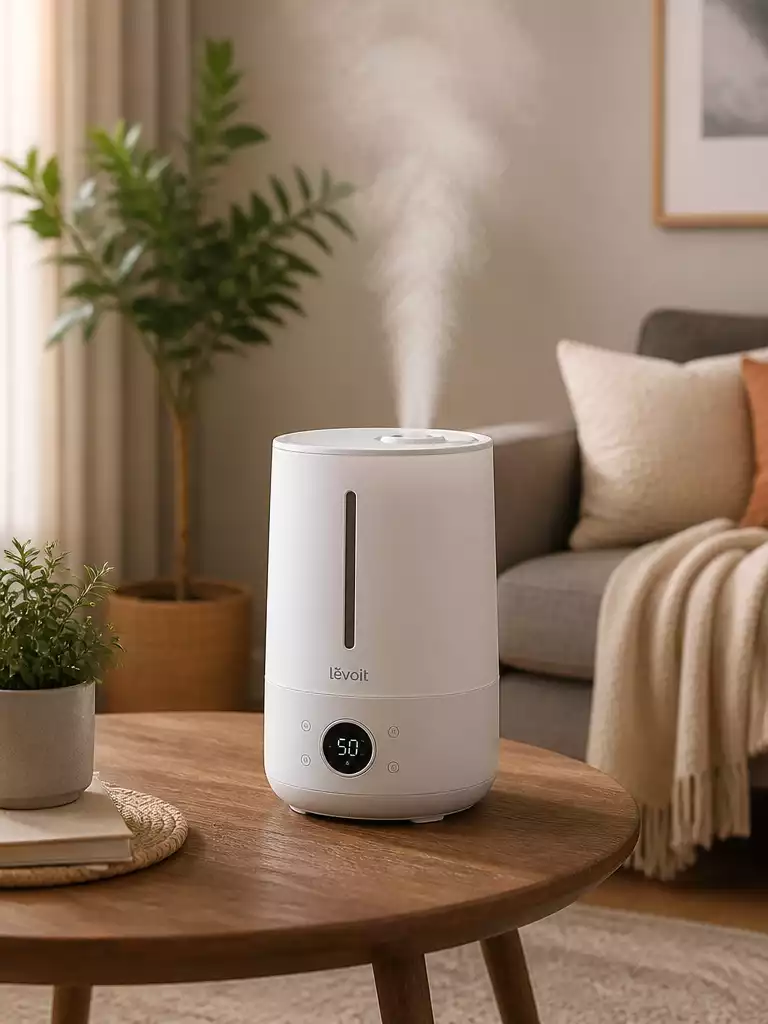
When it comes to maintaining a comfortable indoor atmosphere, a Honeywell humidifier can be an invaluable addition to your home. These devices help to regulate humidity levels, making your living space more inviting, especially during dry seasons. But what exactly is a Honeywell humidifier, and why should you consider using one? Let’s explore this essential household tool together!
At its core, a Honeywell humidifier adds moisture to the air, which can alleviate dry skin, sore throats, and even static electricity. Particularly in winter, when heating systems can dry out indoor air, a humidifier plays a crucial role in enhancing your comfort. Plus, it can even benefit your indoor plants and wooden furniture!
What is a Honeywell Humidifier and Why Use One?
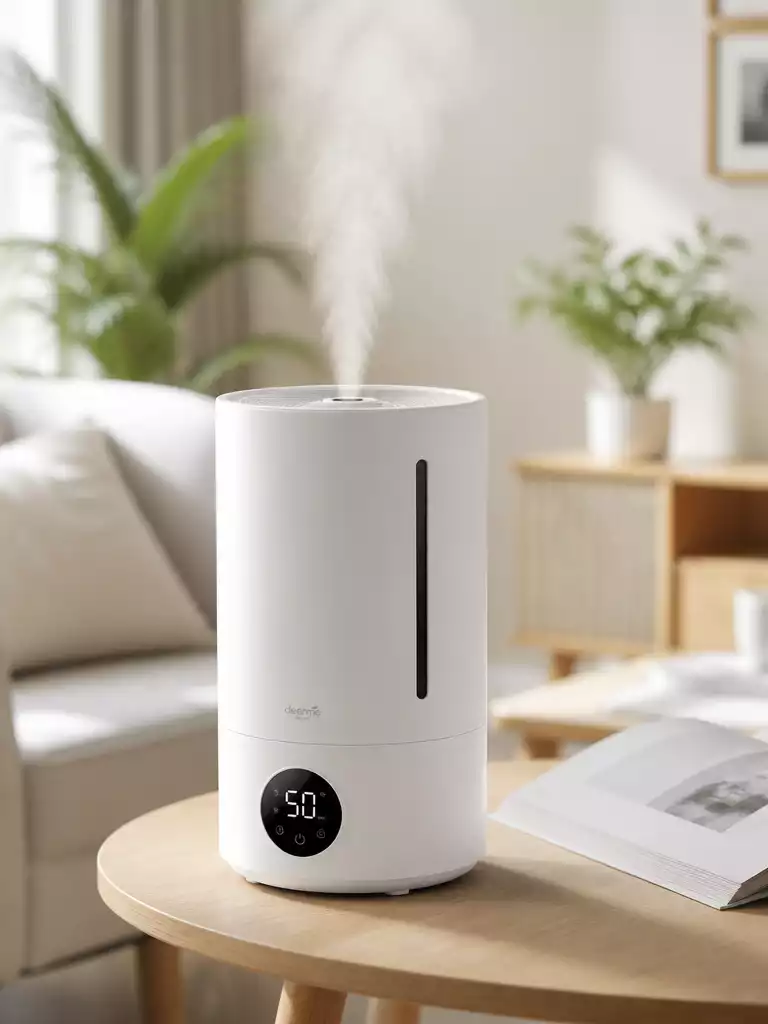
A Honeywell humidifier is a specialized device designed to maintain optimal humidity levels in your home. By releasing water vapor into the air, it helps to counteract the dryness that can lead to discomfort. Here are some compelling reasons to consider one:
- Improves respiratory health by easing dryness in nasal passages and throats.
- Enhances comfort during sleep, promoting a better night’s rest.
- Protects wood furniture and musical instruments from cracking due to low humidity.
Whether you’re combating seasonal dryness or looking to improve indoor air quality, a Honeywell humidifier can make a significant difference. It’s an investment in your home’s comfort and your well-being!
Key Features of Honeywell Humidifiers to Consider
When selecting a Honeywell humidifier, there are several important features to keep in mind. Choosing the right model can enhance performance and efficiency. Here’s what to look for:
- Tank Size: Larger tanks mean longer operation times between refills.
- Humidistat: This feature helps maintain your desired humidity level automatically.
- Nozzle Direction: Adjustable nozzles ensure even distribution of moisture throughout the room.
- Filter Type: Some models come with filters that help improve air quality.
By understanding these features, you can better match a humidifier to your specific needs, ensuring you get the most out of your investment!
The Impact of Indoor Air Quality on Health and Comfort
Indoor air quality significantly influences our health and overall comfort. Low humidity levels can lead to various issues, including respiratory problems, dry skin, and even increased susceptibility to viruses. Maintaining adequate humidity levels, ideally between 30-50%, can help mitigate these risks. Here are a few reasons why you should prioritize indoor air quality:
- Reduces the risk of airborne illnesses.
- Minimizes allergy symptoms caused by dust and mold.
- Creates a more pleasant living environment for you and your family.
Investing in a Honeywell humidifier not only enhances your comfort but also supports your health by improving the overall quality of the air you breathe.
Pro Tip
To maximize the benefits of your Honeywell humidifier, consider using a hygrometer to monitor indoor humidity levels. This will help you maintain the ideal range of 30-50%, ensuring a comfortable and healthy environment while preventing issues associated with over-humidification.
Summarizing Key Takeaways for Honeywell Humidifier Users
Regular maintenance and proper use of your Honeywell humidifier are crucial for ensuring its effectiveness and longevity. By following a simple cleaning routine, you can keep your humidifier in top shape, which translates to better performance and a healthier home environment. Remember, small steps like daily water refreshes can make a big difference in how well your humidifier works!
Here are some essential practices to keep in mind:
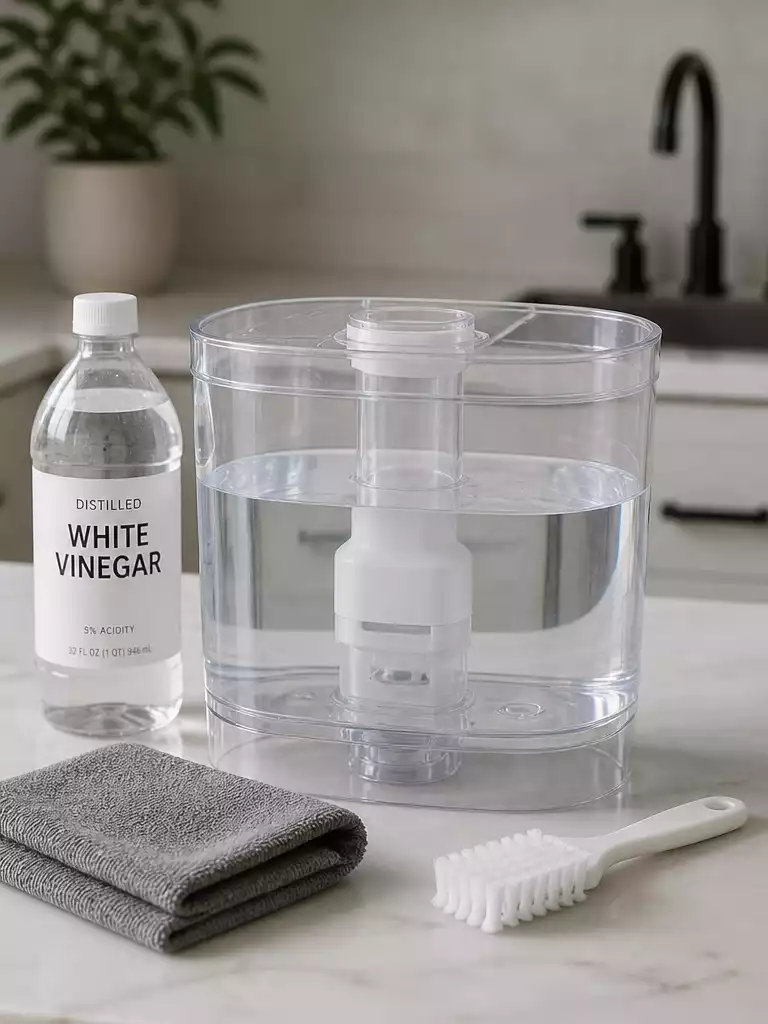
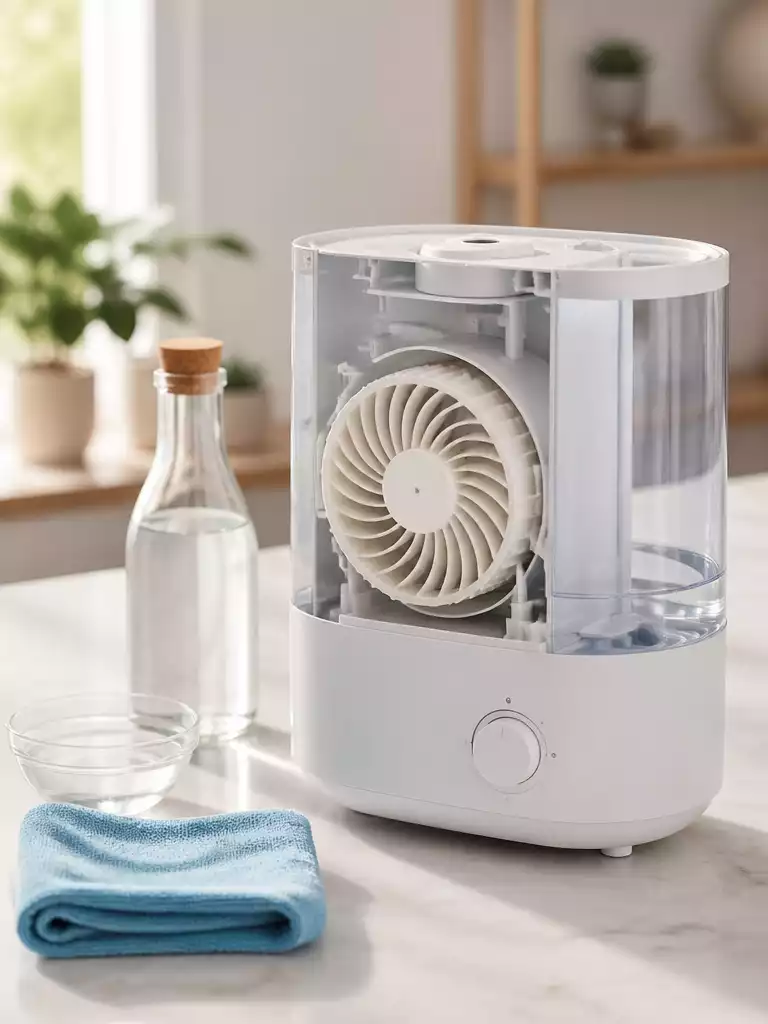
- Clean your humidifier regularly to prevent mineral buildup.
- Always use distilled or demineralized water to reduce scaling.
- Check and replace filters or wicks as needed.
- Monitor humidity levels with a hygrometer to avoid over-humidification.
Taking these steps will not only enhance your humidifier’s performance but also contribute to a more comfortable and healthy living space.
The Importance of Regular Maintenance and Proper Use
To truly get the most out of your Honeywell humidifier, regular maintenance is key. It ensures that your unit runs efficiently and helps avoid common pitfalls that can lead to malfunctions. Plus, with proper use, you’re setting yourself up for success in creating a cozy atmosphere in your home!
- Schedule a weekly cleaning session to maintain optimal performance.
- Follow the manufacturer’s guidelines for water type and maintenance schedules.
- Ensure your humidifier is placed correctly for maximum air circulation.
These maintenance tips will help extend the lifespan of your device, ensuring it serves your home well for years to come!
How to Ensure a Healthy and Comfortable Environment with Your Humidifier
Your Honeywell humidifier can significantly improve indoor air quality by adding moisture to the air, which is particularly important during dry seasons. Proper humidity levels can alleviate symptoms associated with dryness, such as itchy skin and irritated sinuses. By maintaining the right humidity, you’re not just enhancing comfort—you’re also fostering a healthier environment.
- Keep indoor humidity levels between 30% and 50% for ideal comfort.
- Adjust settings based on seasonal changes or specific needs.
- Utilize features like a built-in humidistat for automatic adjustments.
Remember, the goal is to create a balanced environment that supports your health and well-being!
Health Benefits of Using a Humidifier: Addressing Allergies and Respiratory Health
Using a humidifier can have notable health benefits, especially for those struggling with allergies or respiratory issues. The added moisture helps to soothe irritated airways and prevent the discomfort associated with dry air. I’ve seen firsthand how a good humidifier can make a difference for families dealing with seasonal allergies.
- Reduces symptoms of allergies and asthma by keeping airways moist.
- Helps alleviate dry skin and chapped lips.
- Minimizes static electricity in the home.
Incorporating a Honeywell humidifier into your daily routine can lead to significant improvements in your overall health and comfort. Just make sure to follow maintenance tips to ensure it continues to work effectively!
Get Started with Your Honeywell Humidifier Today
There’s no better time than now to take action and enhance your home environment with your Honeywell humidifier. With just a little effort, you can set yourself up for improved comfort and health throughout the year!
Helpful Resources and Support for Honeywell Products
If you ever need assistance with your Honeywell humidifier, Honeywell offers a variety of resources to help you navigate any concerns. Their customer support is always ready to assist, and the website has a plethora of user guides and FAQs that can provide quick answers.
- Visit the Honeywell support website for troubleshooting tips.
- Check user manuals for your specific model for detailed instructions.
- Follow Honeywell on social media for updates and tips!
With these resources, you’ll feel confident in your ability to maintain your humidifier effectively!
Frequently Asked Questions: Addressing Your Concerns
It’s common to have questions when using a humidifier, especially if you’re new to it. Here are some frequently asked questions covering the main points discussed:
- What are the main benefits of using a Honeywell humidifier?
Honeywell humidifiers add moisture to the air, alleviating issues like dry skin, sore throats, and static electricity. They also improve respiratory health, protect wood furniture, and can reduce allergy symptoms and the risk of airborne illnesses. - What is the ideal indoor humidity level to maintain?
Optimal indoor humidity levels should be maintained between 30-50% for better health and comfort. Using a hygrometer can help you monitor and maintain this range. - How often should I clean my Honeywell humidifier?
Regular maintenance is crucial. You should clean your humidifier regularly, ideally with a weekly cleaning session, to prevent mineral buildup and ensure optimal performance. For detailed instructions, you can learn how to clean your Honeywell humidifier effectively. - What type of water should I use in my humidifier?
Always use distilled or demineralized water to reduce scaling and mineral buildup, which can impact the humidifier’s efficiency and longevity. - What safety features do Honeywell humidifiers include?
Many Honeywell models include safety features like automatic shut-off mechanisms that activate when the water level is too low, preventing overheating and ensuring peace of mind. Always check the power cord for wear and tear and place the humidifier safely. - Can a Honeywell humidifier help with allergies and respiratory issues?
Yes, by keeping airways moist, humidifiers can reduce symptoms of allergies and asthma, alleviate dry skin, and make breathing more comfortable, especially in dry environments. - What should I do if my Honeywell humidifier is not working or showing a red light?
If your humidifier isn’t working as expected, first check the water level and ensure it’s properly assembled. A red light often indicates a low water level or a need for cleaning. For specific troubleshooting, you might find valuable information on Honeywell humidifier red light issues or how to fix your Honeywell humidifier.
Understanding Safety Features and Automatic Shut-Off Mechanisms
Safety is paramount when using any electrical appliance, and Honeywell humidifiers come equipped with features designed to ensure your peace of mind. Many models include automatic shut-off mechanisms that activate when the water level is too low, preventing any risk of overheating.
- Look for models with safety shut-offs for added security.
- Be mindful of the placement of your humidifier to avoid spills.
- Regularly check the power cord for any signs of wear and tear.
By understanding these safety features, you can enjoy the benefits of your humidifier without worry!
Recap of Key Points
Here is a quick recap of the important points discussed in the article:
- Honeywell humidifiers improve respiratory health and comfort by adding moisture to the air.
- Key features to consider include tank size, humidistat, nozzle direction, and filter type.
- Maintaining indoor humidity levels between 30-50% reduces the risk of airborne illnesses and allergy symptoms.
- Regular maintenance, such as cleaning and using distilled water, enhances performance and longevity.
- Safety features like automatic shut-off mechanisms provide peace of mind while using humidifiers.