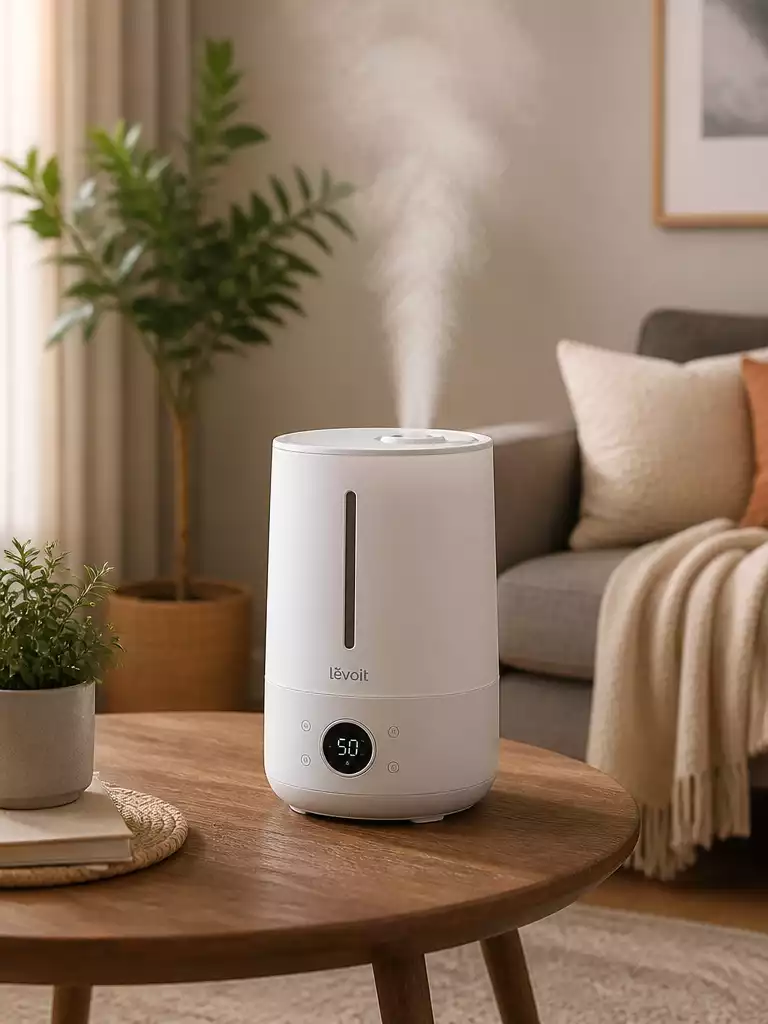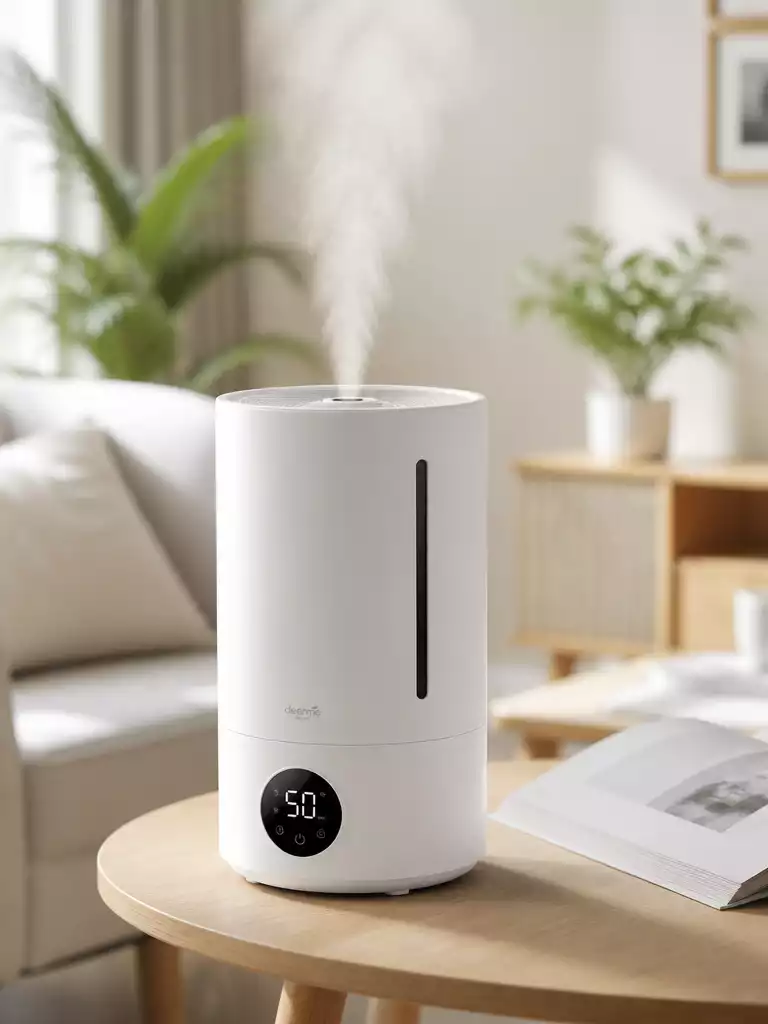
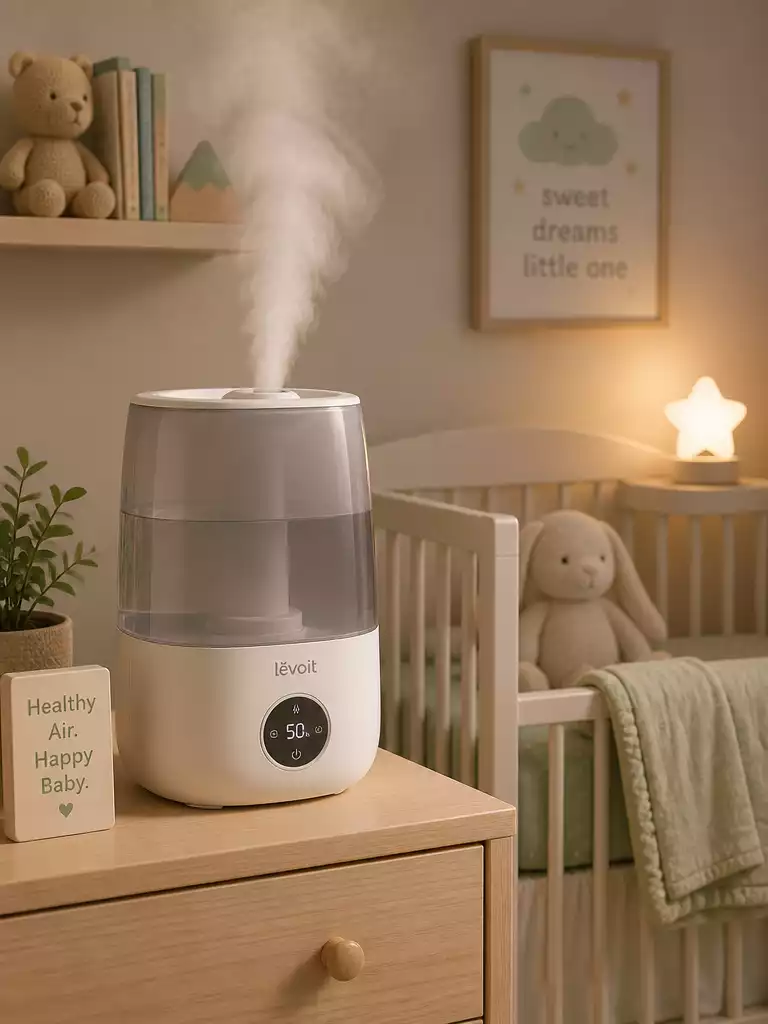
Did you know that maintaining the right humidity levels can significantly impact your baby’s health and comfort? Discover how a simple humidifier can make a world of difference!
What You Will Learn
- Humidifiers support respiratory health by keeping nasal passages moist and reducing infection risks.
- Using a humidifier can alleviate cold symptoms by reducing thick mucus and soothing irritated airways.
- Maintaining optimal humidity levels prevents dry skin and promotes better sleep for your baby.
- Proper cleaning and maintenance of the humidifier are essential to avoid mold and bacteria buildup.
- Monitoring humidity levels with a hygrometer ensures a comfortable environment for your baby.
- Using a cool mist humidifier in warmer months and a warm mist in colder months maximizes comfort.
- Consulting with a pediatrician can provide tailored advice on using a humidifier effectively.
Understanding the Benefits of a Humidifier for Your Baby
As parents, ensuring our little ones are comfortable and healthy is a top priority. One way to achieve this is by considering the benefits of a humidifier in your baby’s room. These devices can improve air quality and contribute to your baby’s overall well-being—particularly during those dry winter months when indoor heating can sap moisture from the air.
In this section, I’ll explore how a humidifier can help with various health issues, how it can ease discomfort caused by cold symptoms, and why maintaining the right humidity levels can foster better sleep for your baby. Let’s dive into the specific benefits!
How Humidifiers Help with Baby’s Health
Humidifiers can be a game-changer when it comes to your baby’s health. They work by adding moisture to the air, which can help alleviate several discomforts. For instance, they can keep your baby’s skin from becoming dry and irritated, especially in the winter months when the air is particularly dry.
- Supports respiratory health by keeping nasal passages moist.
- Reduces the risk of infections by inhibiting the growth of bacteria.
- Helps ease symptoms of allergies and asthma.
By creating a comfortable environment, humidifiers can significantly enhance your baby’s health. With proper humidity, your little one may find it easier to breathe and stay calm, which can lead to a happier baby overall!

Addressing Nasal Congestion and Cold Symptoms with a Humidifier
When your baby catches a cold, a humidifier can be an essential tool in managing symptoms. It helps to relieve nasal congestion, making it easier for your baby to breathe. A well-hydrated environment can also soothe a sore throat and alleviate cough symptoms.
- Reduces thick mucus, promoting easier breathing.
- Soothes irritated airways and nasal passages.
- Enhances the effectiveness of saline nasal drops.
Using a humidifier during cold and flu season can provide your baby with the comfort they need to rest and recover. It’s a simple yet effective way to make those tough nights a little more bearable.
Preventing Dry Air in Baby’s Room During Winter Months
Winter can be harsh, not just on us but on our babies too! With heating systems blasting, indoor air can become extremely dry. This dryness can lead to discomfort, such as chapped lips and dry skin. A humidifier can help combat these issues.
- Maintains optimal moisture levels, preventing dry skin.
- Creates a cozy environment that promotes better sleep.
- Protects against static electricity in the air.
By ensuring your baby’s room has adequate humidity, you’re not just providing comfort but also creating an environment that supports healthy sleep patterns and overall well-being.
Humidity Levels and Their Impact on Baby Sleep Quality
Did you know that humidity levels can significantly impact how well your baby sleeps? The ideal humidity range for babies is typically between 30% and 50%. When humidity levels fall outside this range, it can lead to restless nights.
- Low humidity can cause discomfort and disrupt sleep.
- Optimal humidity levels promote deeper, more restful sleep.
- Prevents overheating, which can be a safety concern.
Keeping track of humidity levels with a hygrometer can be a helpful tool in maintaining a peaceful sleep environment for your baby. When they sleep well, we all sleep better!
Pro Tip
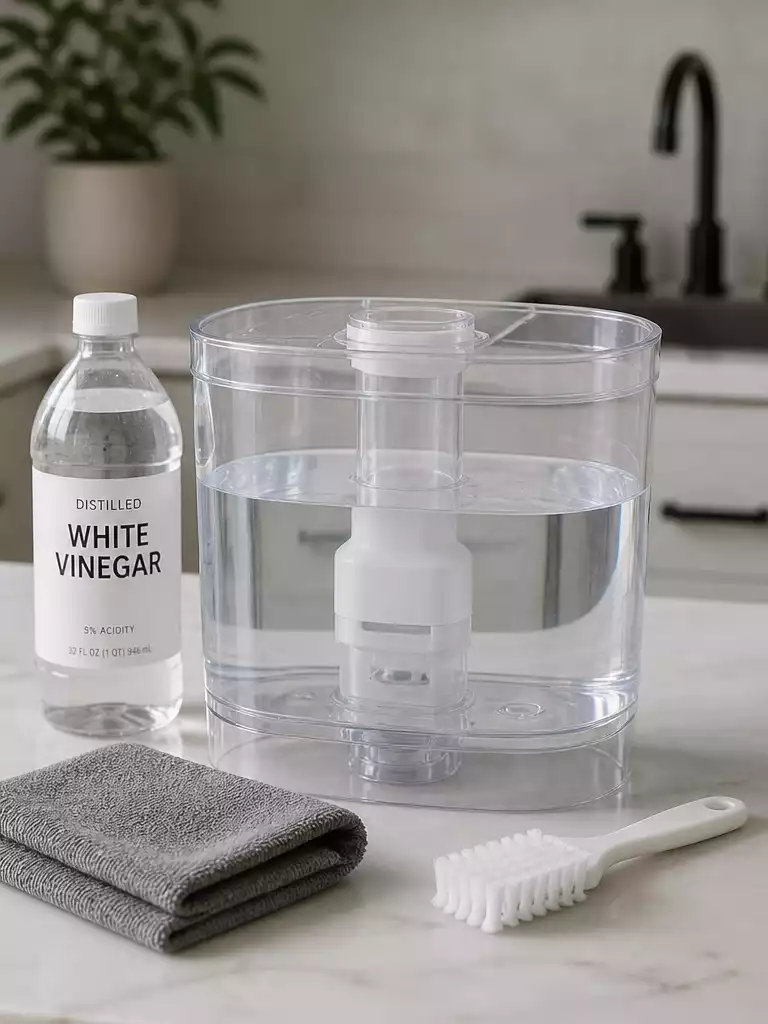
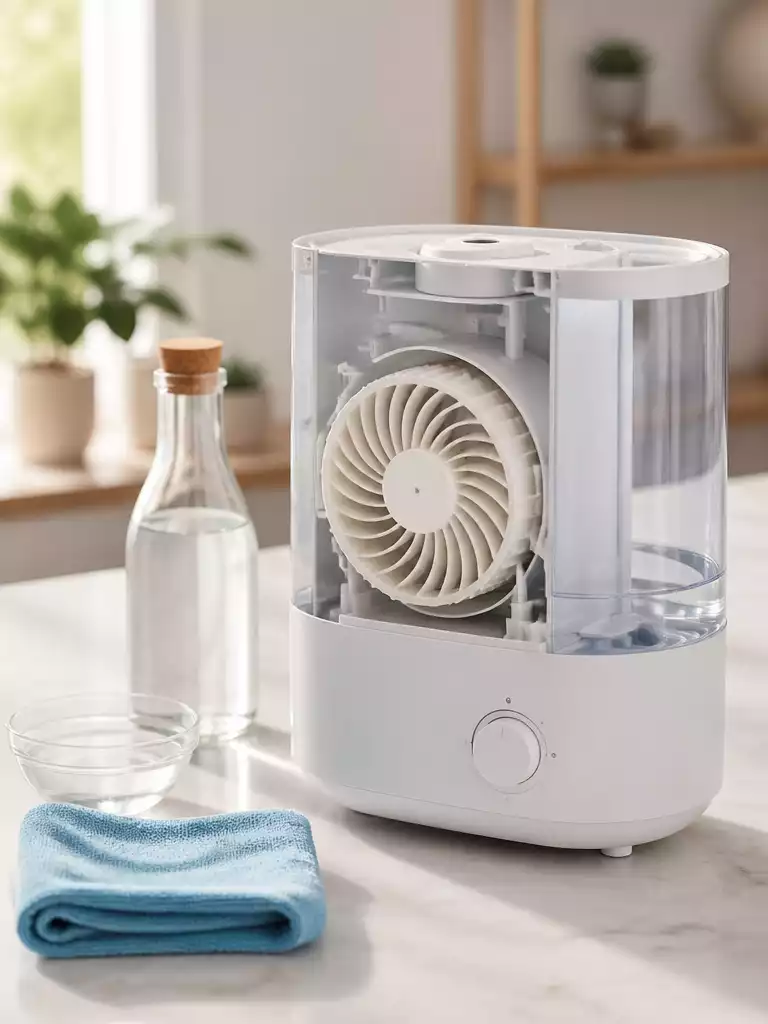
Did you know? Keeping your humidifier clean is crucial for your baby’s health. Regularly replace the water and clean the unit according to the manufacturer’s instructions to prevent mold and bacteria buildup. This ensures that the moisture released into the air is pure and safe for your little one!
Summary of Safe and Effective Humidifier Use for Babies
As parents, we want to create the best environment for our little ones. Using a humidifier can be a fantastic way to improve comfort and health in your baby’s room. However, it’s essential to understand how to use them safely and effectively. Here are some key points to remember:
- Always choose the right type of humidifier based on your baby’s needs.
- Ensure proper cleaning and maintenance to avoid mold and bacteria.
- Monitor humidity levels to keep them within the ideal range.
- Position the humidifier safely, away from your baby’s reach.
By following these guidelines, you can help create a soothing atmosphere that promotes better sleep and respiratory health for your baby!
Key Takeaways on When and How to Use a Humidifier
When it comes to using a humidifier, timing and technique make all the difference. Here are some practical takeaways:
- Utilize a cool mist humidifier in warmer months and a warm mist in colder months for comfort.
- Run the humidifier when your baby sleeps to alleviate congestion or dry air symptoms.
- Always check the manufacturer’s instructions for usage guidelines.
- Consider using a hygrometer to monitor humidity levels effectively.
It’s all about ensuring your baby’s breathing is as healthy and comfortable as possible, and a humidifier can be a valuable tool in achieving that!
Frequently Asked Questions (FAQs)
Next Steps for Parents Considering a Humidifier
If you’re thinking about getting a humidifier for your baby’s room, you’re taking a great step toward their comfort. Here’s how to proceed:
- Research different models to find one that fits your needs and budget.
- Consult your pediatrician if you have specific concerns about using a humidifier.
- Evaluate your home’s humidity levels to see if a humidifier is necessary.
- Understand the maintenance required to keep the humidifier in good shape.
When you make informed decisions, you’re setting the stage for better health and comfort for your little one!
Making Informed Decisions for Your Baby’s Room Environment
As parents, we often want the best for our kids! Making informed decisions about your baby’s room environment involves considering several factors:
- Assess the existing humidity levels in your home.
- Choose a humidifier that matches your baby’s specific needs.
- Factor in ease of cleaning and maintenance.
By being mindful of these elements, you can create a nurturing environment that promotes healthy breathing and restful sleep!
Encouraging Healthy Breathing for Your Little One
Encouraging healthy breathing is vital for your baby’s development. Using a humidifier correctly can help:
- Prevent dry air from irritating your baby’s airways.
- Reduce the likelihood of colds and allergies.
- Support overall respiratory health.
Remember, a well-hydrated air environment can make a significant difference in how your baby feels day-to-day!
Understanding the Role of Humidity in Eczema and Allergies
For some babies, maintaining proper humidity levels can also play a role in managing conditions like eczema and allergies. Here’s what to keep in mind:
- Balanced humidity levels can help soothe dry skin associated with eczema.
- Humidifiers can reduce allergens in the air, benefiting babies with sensitivities.
- Consult with your pediatrician for personalized advice if your baby has specific health concerns.
This holistic approach to managing your baby’s environment can support not just healthy breathing, but also overall well-being!
Recap of Key Points
Here is a quick recap of the important points discussed in the article:
- Humidifiers support respiratory health by keeping nasal passages moist and reducing infection risks.
- They help alleviate cold symptoms, such as nasal congestion and sore throats, creating a soothing environment for recovery.
- Maintaining optimal humidity levels (30% to 50%) promotes better sleep quality for your baby.
- Proper cleaning and maintenance of humidifiers are crucial to prevent mold and bacteria growth.
- Using a hygrometer can help monitor humidity levels effectively, ensuring a comfortable atmosphere.