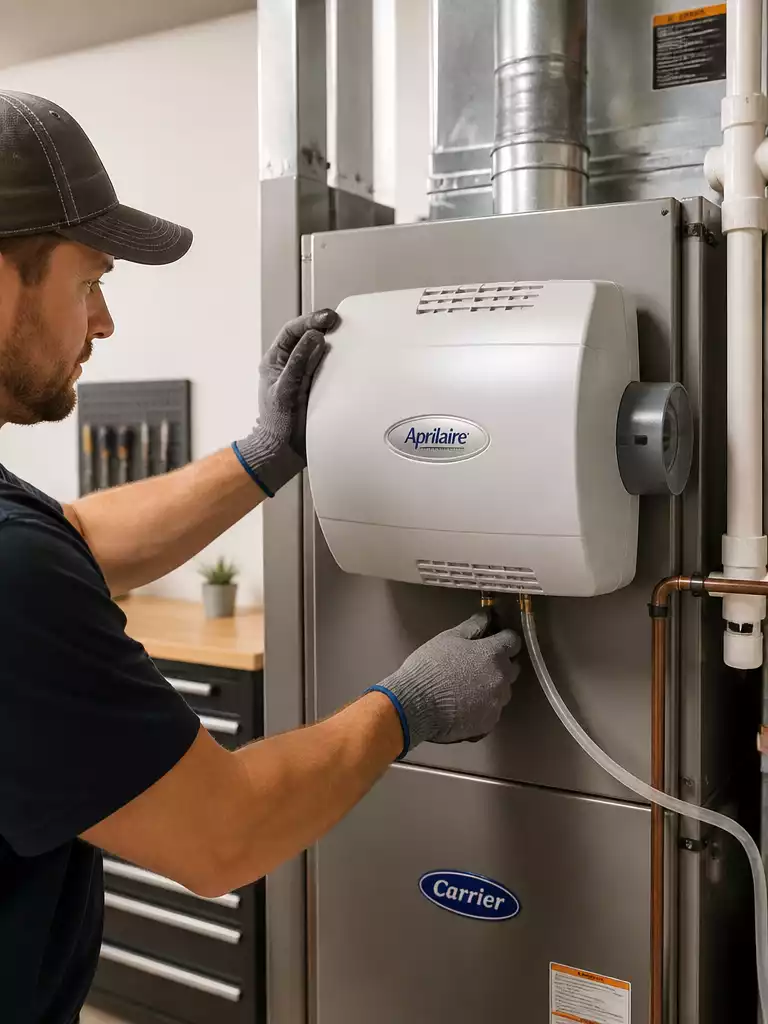
Did you know that maintaining proper humidity levels in your home can significantly enhance your comfort and health? Understanding the role of your furnace humidifier is essential for achieving a balanced indoor environment.
What You Will Learn
- A furnace humidifier is crucial for maintaining comfort and air quality, especially in dry winter months.
- Signs indicating a need for replacement include water leaks, strange noises, and ineffective humidity levels.
- Ideal indoor humidity should be maintained between 30-50% to prevent health issues and structural damage.
- Important steps for replacing your humidifier include gathering tools, following safety precautions, and ensuring proper installation.
- Know when to seek professional help if your humidifier is malfunctioning despite proper installation or if you encounter persistent humidity issues.
Understanding the Importance of Your Furnace Humidifier
Your furnace humidifier plays a crucial role in maintaining not just comfort in your home, but also in enhancing overall air quality. A properly functioning humidifier helps to regulate moisture levels, ensuring that your indoor environment is not too dry, especially during the colder months. Without adequate humidity, you might experience dry skin, irritated sinuses, or even static electricity buildup!
As someone who often interacts with homeowners, I’ve seen firsthand how a well-maintained humidifier can make a significant difference in your daily life. It’s essential to understand its importance and recognize when it might be time for a replacement.
Why You May Need to Replace Your Furnace Humidifier
Over time, even the best furnace humidifiers can wear out and may require replacement. Factors like age, usage frequency, and maintenance can all impact your unit’s performance. Typically, if your humidifier is over ten years old, it might be time to consider a replacement. A newer unit will not only function better but can also be more energy-efficient, saving you money in the long run.
- Age of unit (generally over 10 years)
- Frequent repairs and maintenance issues
- Inconsistent humidity levels in your home
By replacing an outdated unit, you can ensure a more stable and healthy indoor environment. Regular assessments of your humidifier can save you from unexpected breakdowns during peak usage times!
Signs Indicating a Full Humidifier Replacement is Necessary
There are several indications that suggest your furnace humidifier may need to be replaced. If you notice any of the following signs, it’s time to take action:
- Water leaks: If you see moisture around the unit, that’s a clear sign something is wrong.
- Strange noises: Unusual sounds can indicate internal issues.
- Dry air: If your home feels dry despite running the humidifier, it might not be effective.
Paying attention to these signs can help prevent further damage to your HVAC system. I highly recommend keeping a close eye on your humidifier’s performance, especially during the winter months!
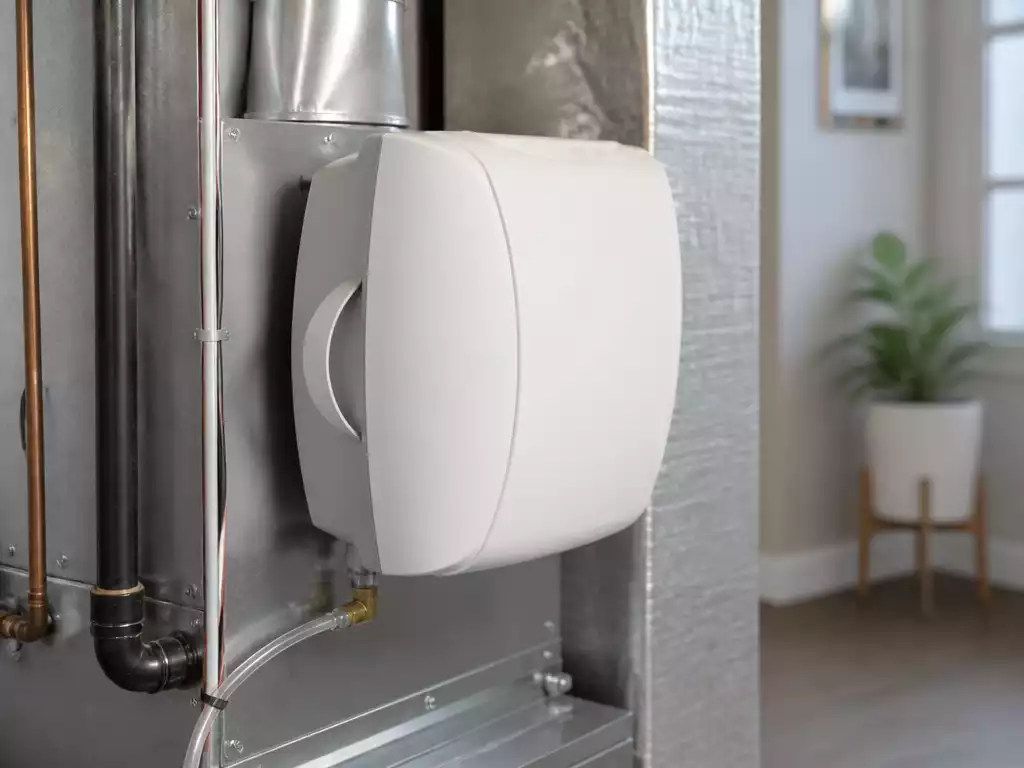
The Impact of Humidity Levels on Indoor Air Quality
Humidity levels directly affect indoor air quality. Ideal indoor humidity should be between 30-50%. If it’s too low, you may experience discomfort and even health issues. Low humidity can lead to respiratory problems, as well as aggravate allergies and asthma. Additionally, it can cause structural issues in your home.
On the flip side, excessive humidity can promote mold growth! Maintaining the right balance is crucial. It not only keeps your family healthy but also helps preserve your home’s structure and furniture.
- Keep humidity levels between 30-50% for optimal comfort.
- Prevent respiratory issues and allergies with proper humidity.
- Protect your home from mold and structural damage.
Understanding these impacts reinforces the importance of your furnace humidifier and why keeping it in top shape should be a priority!
Pro Tip
Did you know? Regularly changing the water panel in your furnace humidifier can significantly improve its efficiency and extend its lifespan. Aim to replace the panel at least once a season to ensure optimal performance and consistent humidity levels in your home!
Frequently Asked Questions About Furnace Humidifiers
What is the ideal humidity level for a home?
The ideal indoor humidity level should be maintained between 30-50% to ensure optimal comfort, prevent health issues, and protect your home’s structure and furnishings.
How often should I replace my furnace humidifier?
While the lifespan can vary, it’s generally recommended to consider replacing your furnace humidifier if it’s over ten years old. However, signs of wear, frequent repairs, or inconsistent humidity levels might indicate a need for earlier replacement.
What are the key signs that my furnace humidifier needs to be replaced?
Look out for water leaks around the unit, strange noises during operation, and if your home still feels dry despite the humidifier running. These are strong indicators that a replacement might be necessary.
Can a malfunctioning humidifier affect my health?
Yes, both too low and excessively high humidity levels can impact your health. Low humidity can cause dry skin, irritated sinuses, and aggravate respiratory issues, while high humidity can promote mold growth and trigger allergies or asthma.
When should I call a professional for humidifier issues?
It’s best to seek professional help if your new humidifier isn’t working correctly after installation, if you notice unexplained noises or leaks, or if you continue to experience persistent humidity problems that affect your indoor comfort despite your efforts.
Wrapping Up Your Furnace Humidifier Replacement Journey
Congratulations on taking the initiative to replace your furnace humidifier! It’s a crucial step toward enhancing your indoor air quality and comfort. Let’s take a moment to recap the key steps to ensure you feel confident in what you’ve accomplished.
Recap of the Key Steps for Replacing Your Humidifier
Throughout the replacement process, you’ve navigated several important steps. Here’s a quick summary to keep everything fresh in your mind:
- Gathered essential tools and materials needed for the job
- Followed safety precautions to protect yourself and your HVAC system
- Removed the old humidifier carefully and disconnected the water supply
- Installed the new humidifier, ensuring it was positioned correctly
- Restored the power and water supply, adjusting settings for efficiency
These steps ensure not just a proper installation but also optimal performance from your new unit. By following this guide, you’ve set yourself up for a successful replacement!
When to Seek Professional Help for Humidifier Issues
While DIY projects can be rewarding, sometimes it’s best to call in the pros. If you’re facing issues that seem beyond your reach, don’t hesitate! Some situations where you might consider professional help include:
- Your new humidifier is still not functioning despite correct installation
- You encounter unusual noises or leaks that you can’t identify
- Persistent humidity problems that affect your indoor comfort
These scenarios can be challenging, and reaching out to an experienced technician can save you time and stress. Remember, it’s always better to be safe than sorry!
Get Started with Your Humidifier Replacement Today
Now that you’ve wrapped up your replacement journey, you might be wondering how to maintain your system or enhance your understanding further. I’m here to help guide you through the next steps!
Additional Resources and Support for DIY Homeowners
As a homeowner, you deserve access to helpful resources! Here are a few options to consider:
- Tutorial videos showcasing similar replacement projects
- Blogs and forums dedicated to HVAC maintenance and repairs
- Local workshops or community classes on home improvement
Utilizing these resources can boost your confidence and equip you with valuable skills for future projects!
Join the Conversation: Share Your Experience and Ask Questions
I would love to hear about your experiences! Engaging with others can provide insights you might not have considered. Share your journey, ask questions, or offer tips—let’s create a community around improving our homes together!
Evaluating Costs and Energy Efficiency for Your Replacement Options
It’s essential to consider not just the upfront costs but also how your choice of humidifier impacts long-term energy efficiency. Here are some factors to evaluate:
- The initial cost of the humidifier and installation
- Expected energy consumption and efficiency ratings
- Potential savings on utility bills over time
By carefully considering these aspects, you can make a more informed decision that aligns with your budget and environmental goals. Your investment should not only enhance comfort but also be economically wise!
Recap of Key Points
Here is a quick recap of the important points discussed in the article:
- A furnace humidifier is essential for maintaining comfort and air quality in your home.
- Consider replacing your humidifier if it is over 10 years old or showing signs of wear.
- Signs for replacement include water leaks, strange noises, and ineffective humidity levels.
- Maintain indoor humidity levels between 30-50% to ensure optimal health and comfort.
- Follow proper steps during installation to ensure your new humidifier performs efficiently.
- Seek professional help if encountering persistent issues beyond DIY solutions.
- Evaluate costs and energy efficiency when selecting a new humidifier to make an informed decision.