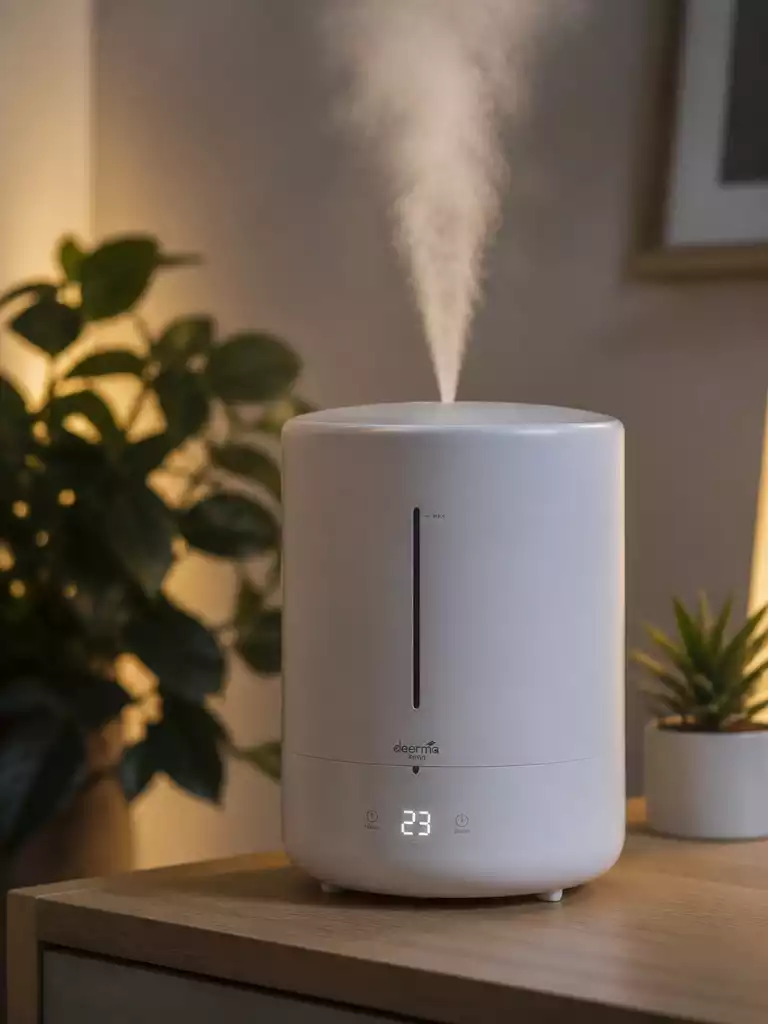
Have you ever experienced the discomfort of dry air in your home? Understanding how a humidifier can transform your living environment could be the key to better health and comfort.
What You Will Learn
- Humidifiers add moisture to the air, improving overall air quality and health.
- Different types of humidifiers (evaporative, ultrasonic, steam) serve various needs and preferences.
- Using a humidifier can enhance sleep quality by alleviating nighttime congestion.
- Maintaining optimal humidity levels can reduce allergens, dust mites, and respiratory issues.
- Regular cleaning and proper maintenance of your humidifier are essential for effective use.
The Role of a Humidifier in Your Home
Humidifiers are essential devices that play a crucial role in maintaining a comfortable living environment in your home. They work by adding moisture to the air, which can significantly improve overall air quality. When the air is too dry, it can lead to a variety of issues, from static electricity and dry skin to respiratory problems. Investing in a humidifier can make a remarkable difference in your comfort and health.
So, how does a humidifier work? Essentially, it takes water from a reservoir and converts it into vapor, releasing it into the air. There are several types of humidifiers, but they all share this core function. Understanding how they operate can help you choose the right one for your needs.
What is a Humidifier and How Does It Work?
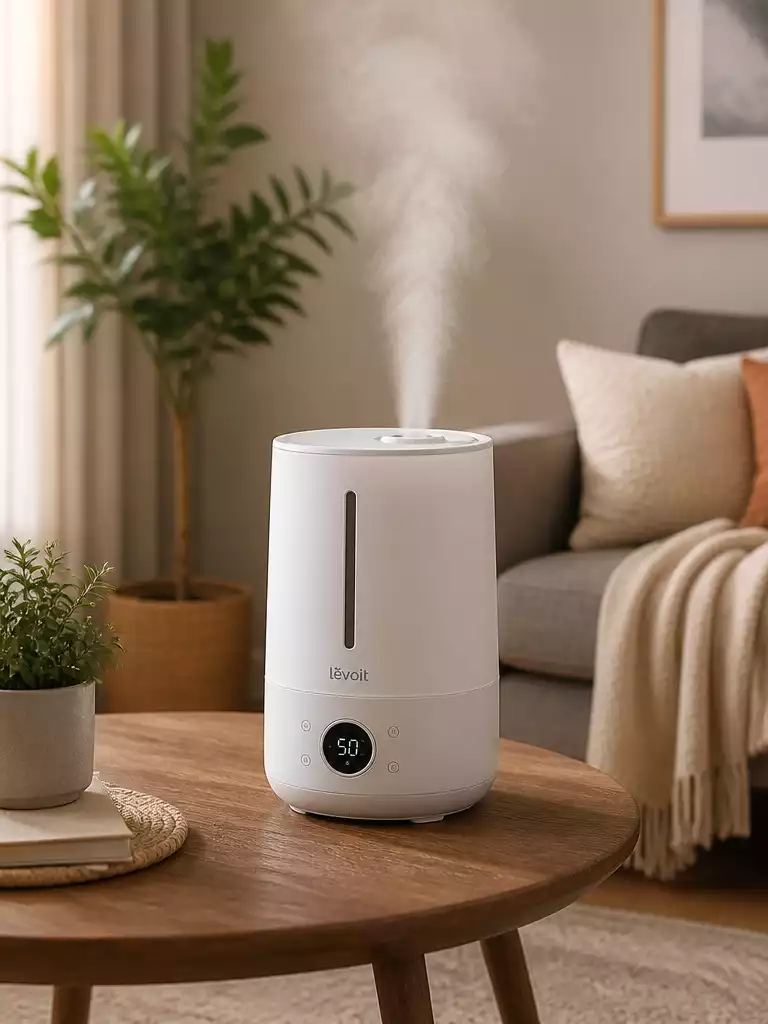
A humidifier is a device specifically designed to increase the humidity level in a room. It can be particularly beneficial during dry seasons when indoor heating can strip moisture from the air. By releasing water vapor, a humidifier creates a more comfortable atmosphere for you and your family.
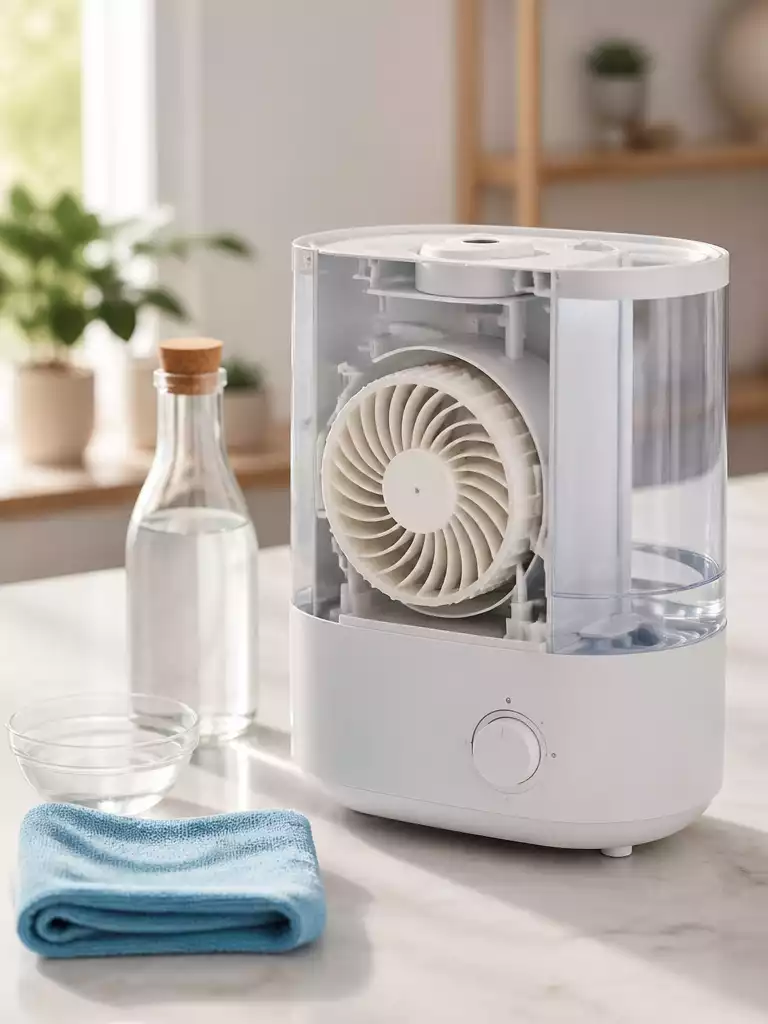
- Evaporative Humidifiers: Use a fan to blow air through a wet wick, evaporating water into the air.
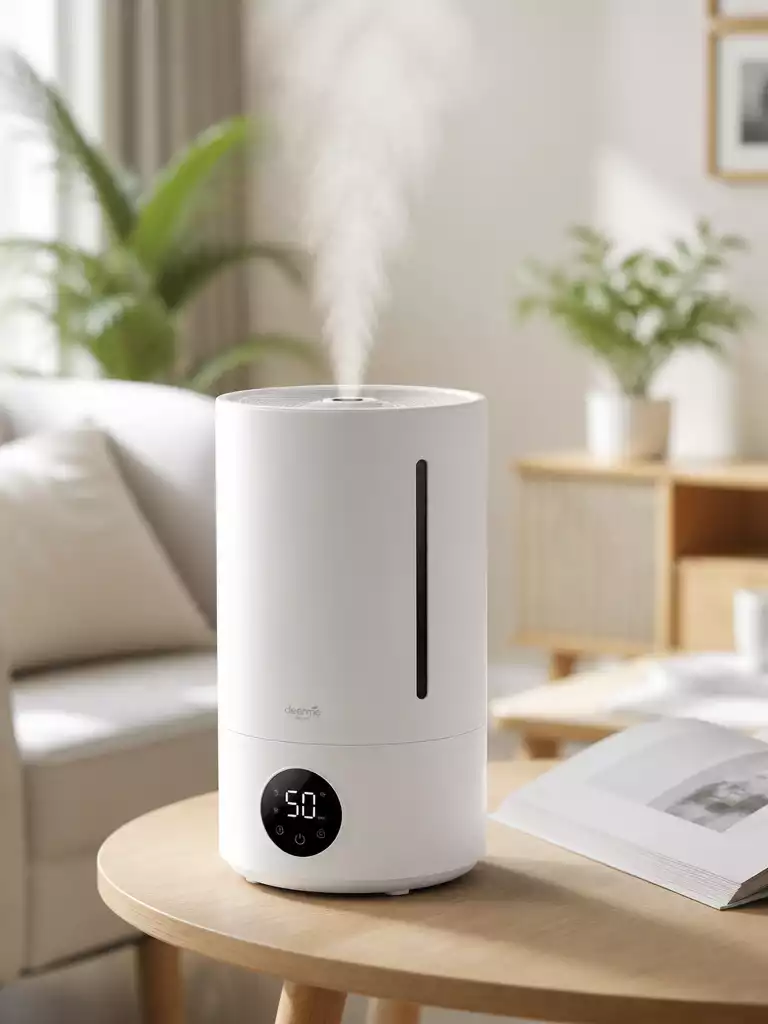
- Ultrasonic Humidifiers: Utilize ultrasonic vibrations to create a fine mist.
- Steam Vaporizers: Boil water to produce steam, which is then cooled before being released.
Each type of humidifier has its own advantages and can be selected based on personal preference and specific needs. For instance, ultrasonic models are often quieter, making them ideal for bedrooms.
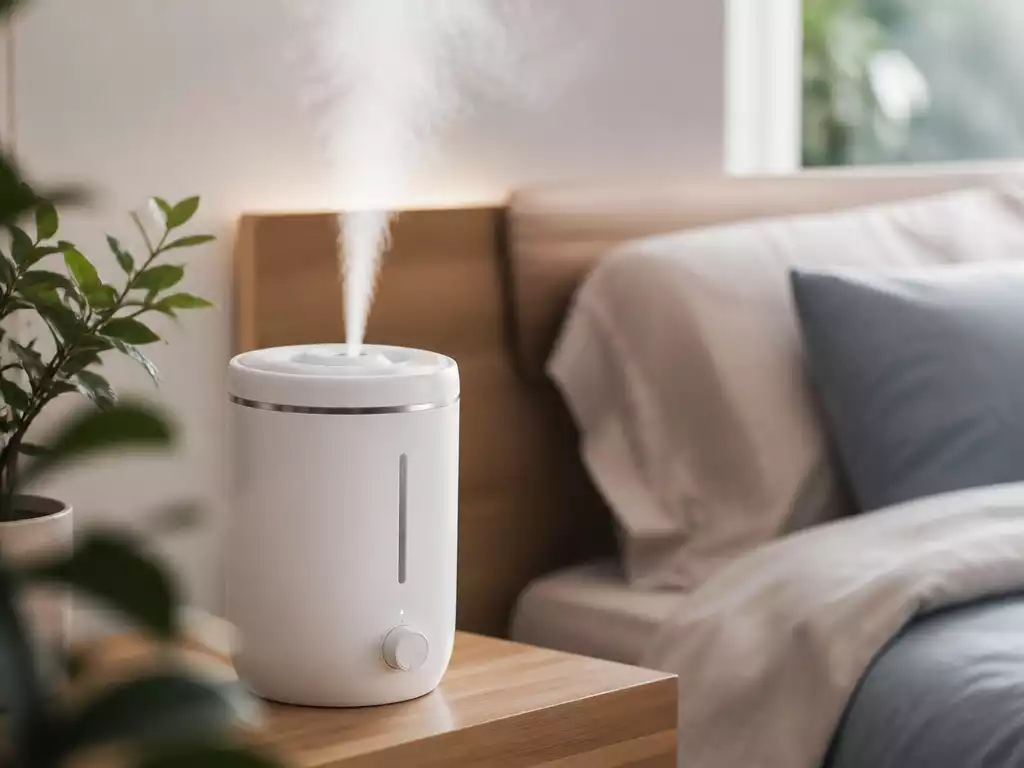
The Benefits of Using a Humidifier for Health and Comfort
Using a humidifier in your home brings a multitude of benefits that enhance your living environment. One of the most notable advantages is its ability to improve indoor air quality. Increasing humidity levels can help reduce the transmission of airborne viruses, making your home a healthier place during flu season.
- Improved Sleep: Humidifiers can help alleviate nighttime congestion, allowing for better sleep.
- Skin Hydration: Keeping your skin moisturized can prevent dryness and irritation.
- Comfort for Pets: Pets can also suffer from dry air; a humidifier can make their environment more comfortable.
When your home is comfortable, it not only affects your health but also your overall well-being. As someone who values a cozy home atmosphere, I can attest to the positive impact a humidifier has on daily life!
Improving Indoor Air Quality and Respiratory Health
One of the significant benefits of using a humidifier is its impact on indoor air quality. Dry air can exacerbate respiratory issues, such as asthma or allergies. By adding moisture to the air, a humidifier can help soothe irritated nasal passages, making it easier to breathe.
Additionally, maintaining optimal humidity levels can help reduce the presence of dust mites and mold, both of which can trigger allergies for many people. It’s essential to keep your home safe and healthy for everyone, including guests and loved ones.
How Humidifiers Help with Allergies, Dry Skin, and Asthma
If you suffer from allergies, a humidifier can be a game-changer. It helps to keep allergens at bay by ensuring that the air remains moist, making it harder for irritants to circulate. For individuals with dry skin, the added moisture can significantly reduce skin flakiness and discomfort.
Moreover, if you or your loved ones have asthma, using a humidifier can help alleviate symptoms, particularly during the dry winter months. It’s all about creating an environment that promotes health and comfort, and adding a humidifier to your home can be an excellent step in that direction!
Pro Tip
To maximize the benefits of your humidifier, consider investing in a hygrometer. This handy device allows you to monitor the humidity levels in your home accurately, ensuring that you maintain the ideal range of 30-50%. Keeping humidity within this range can help prevent mold growth and improve your overall indoor air quality.
Essential Takeaways for Safe and Effective Humidifier Use
Using a humidifier can significantly improve your indoor air quality and overall comfort. To ensure you’re getting the most out of your device, I’ve outlined some key steps that will guide you in using your humidifier safely and effectively. Following these tips will help you maintain optimal humidity levels, prevent common issues, and enjoy a healthier living environment.
- Choose the right humidifier type for your needs.
- Place your humidifier strategically in your home.
- Monitor humidity levels regularly.
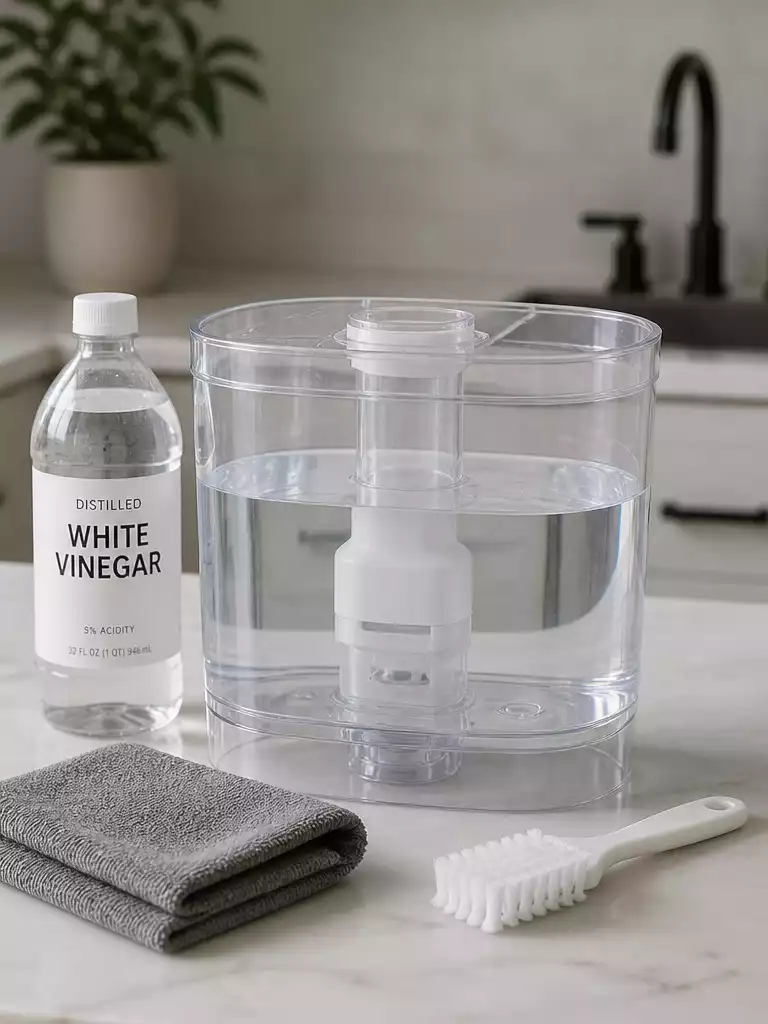
- Clean your humidifier frequently to avoid mold and bacteria.
- Use distilled water to prevent mineral buildup.
By following these essential steps, you’ll ensure that your humidifier works efficiently, enhancing your indoor air quality while keeping your home safe and comfortable!
Final Thoughts on Enhancing Your Indoor Air Quality
As I wrap up this section, it’s clear that utilizing a humidifier can be a simple yet effective way to boost your home’s air quality. Not only does it help alleviate dry skin and respiratory issues, but it also enhances the overall comfort of your living space. Remember, maintaining the right humidity levels is key; too much or too little can lead to other problems!
In addition, always keep an eye on your humidifier’s condition. A bit of regular maintenance goes a long way in ensuring your device is working efficiently. Whether you’re dealing with seasonal changes or dry indoor air, a humidifier can be a valuable ally in creating a cozy and healthy environment for you and your family.
Frequently Asked Questions About Humidifiers
- Q: What is a humidifier?
- A: A humidifier is a device that adds moisture to the air, increasing the humidity level in a room to improve air quality and comfort.
- Q: What are the main types of humidifiers?
- A: The main types are evaporative (uses a fan and wet wick), ultrasonic (uses vibrations to create mist), and steam vaporizers (boils water to produce steam).
- Q: How does a humidifier benefit my health?
- A: Humidifiers can improve sleep by alleviating congestion, hydrate skin, reduce airborne viruses, and soothe respiratory issues like asthma and allergies.
- Q: What is the ideal humidity level for a home?
- A: The ideal humidity level is between 30-50%. Using a hygrometer can help you monitor and maintain this range.
- Q: How often should I clean my humidifier?
- A: Regular cleaning is essential to prevent mold and bacteria buildup. The frequency depends on usage, but generally, daily rinsing and weekly deep cleaning are recommended.
- Q: Can humidifiers help with allergies?
- A: Yes, by keeping the air moist, humidifiers can help prevent common allergens like dust mites from circulating as easily, and they can soothe irritated nasal passages.
- Q: Is it important to use distilled water in a humidifier?
- A: Yes, using distilled water helps prevent mineral buildup (white dust) and reduces the growth of mold and bacteria within the humidifier.
Recap of Key Points
Here is a quick recap of the important points discussed in the article:
- Humidifiers add moisture to the air, improving comfort and overall air quality.
- There are various types of humidifiers, including evaporative, ultrasonic, and steam vaporizers, each with unique benefits.
- Using a humidifier can enhance sleep quality, hydrate skin, and create a more comfortable environment for pets.
- Maintaining optimal humidity levels can help alleviate respiratory issues and reduce allergens like dust mites and mold.
- Key best practices include choosing the right type, strategic placement, regular monitoring, frequent cleaning, and using distilled water.