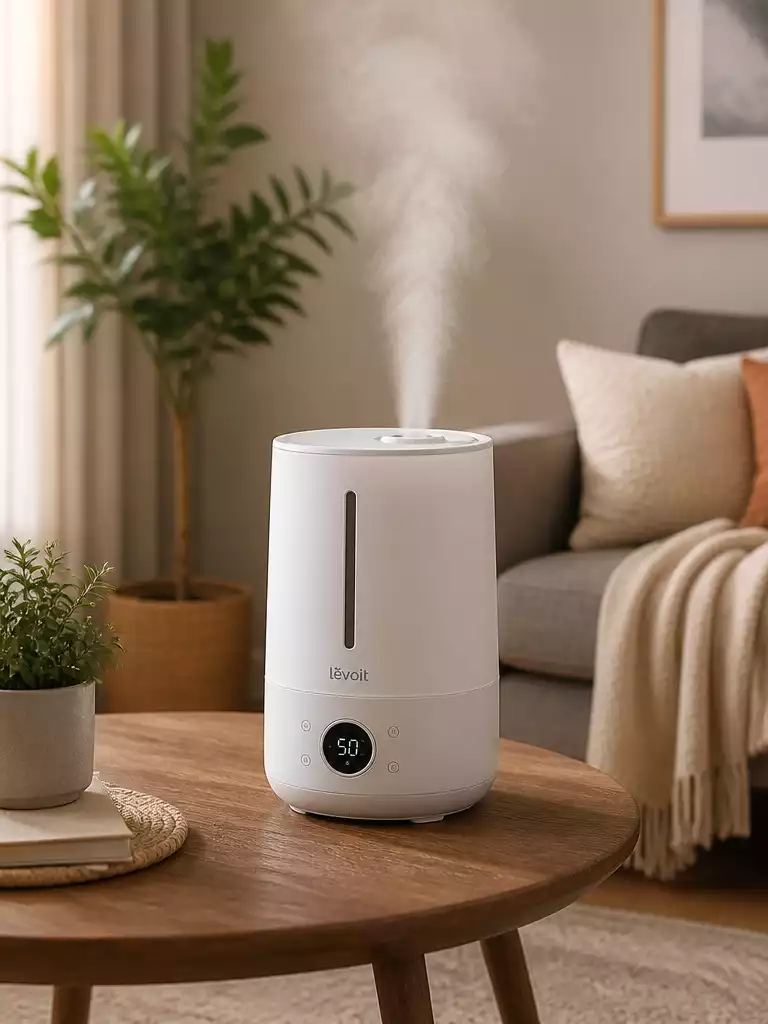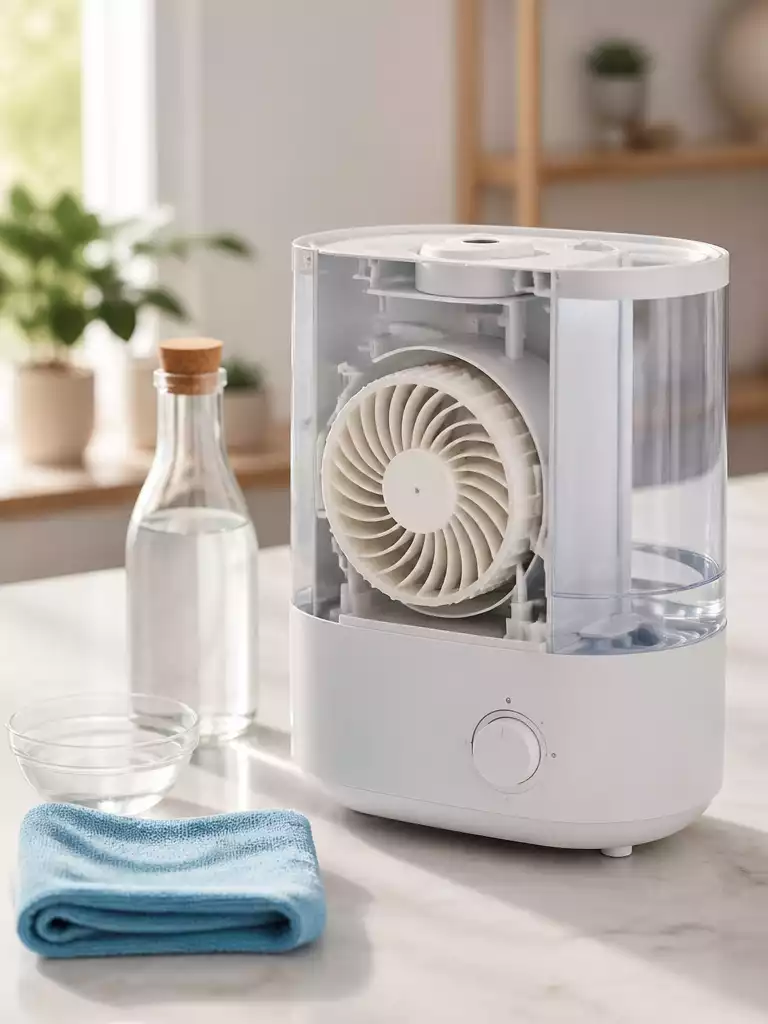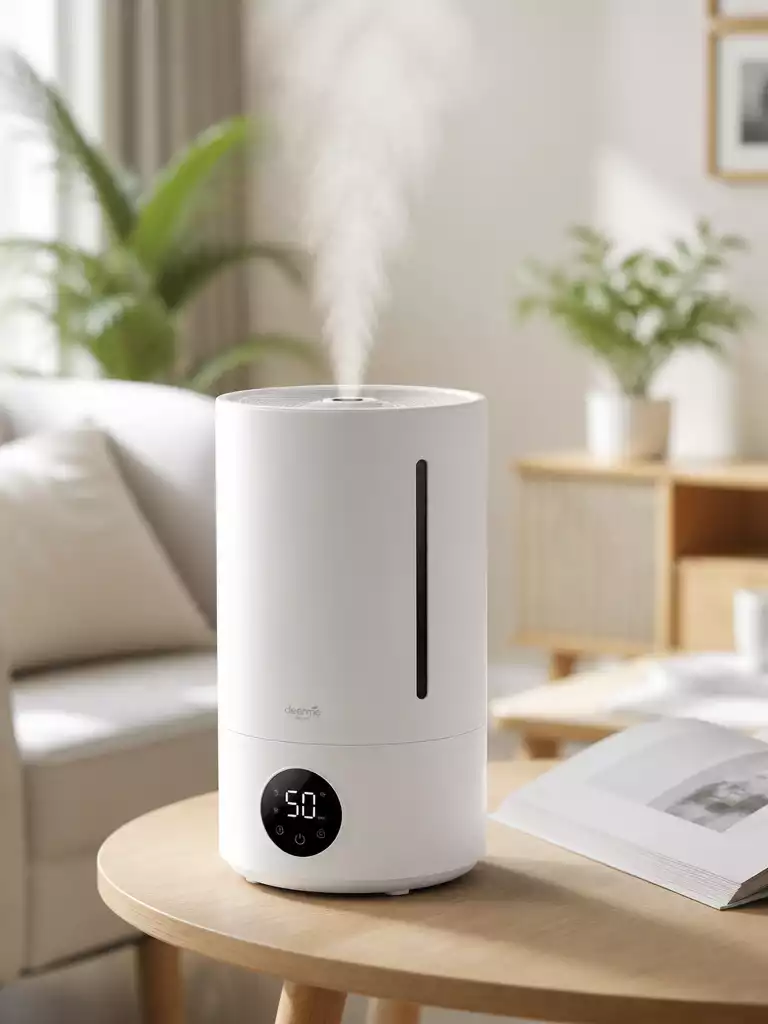
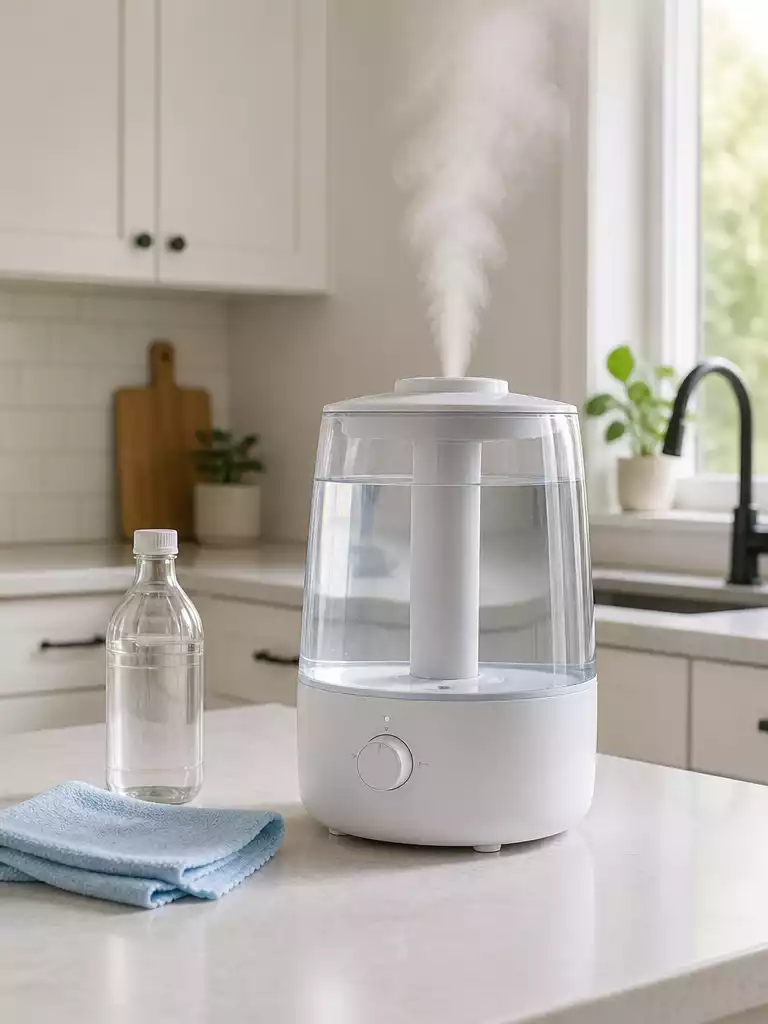
Did you know that neglecting your humidifier can compromise your health? Regular cleaning is more than just a chore; it’s essential for maintaining a healthy home environment!
What You Will Learn
- Cleaning your humidifier prevents bacteria and mold growth, ensuring safer air quality.
- Optimal indoor humidity levels (30-50%) can significantly improve comfort and health.
- Regular maintenance, including weekly cleaning and daily water changes, extends the lifespan of your humidifier.
- Common issues like persistent odors or white dust can be addressed with proactive maintenance strategies.
Importance of Cleaning Your Humidifier
When it comes to maintaining a healthy home environment, understanding the importance of cleaning your humidifier cannot be overstated. Humidifiers are essential for adding moisture to the air, especially during dry seasons or in arid climates. However, if not cleaned regularly, they can become breeding grounds for harmful bacteria and mold. Let’s dive into why regular cleaning is not just a chore, but a necessary practice for your health!
Many of us may overlook this task, thinking it’s not that big of a deal. But trust me, neglecting to clean your humidifier can lead to a host of problems that could affect your well-being and comfort at home. Regular maintenance ensures that the benefits of humidity remain positive rather than turning into health hazards.
Why Regular Cleaning is Essential for Humidifiers
Cleaning your humidifier should be part of your regular home maintenance routine. Here’s why:
- Preventing Bacteria Growth: Stagnant water in humidifiers can harbor bacteria and mold.
- Enhancing Air Quality: A clean humidifier disperses fresh, beneficial moisture into the air.
- Extending Equipment Lifespan: Regular cleaning helps keep your humidifier running efficiently.
By incorporating these cleaning habits into your routine, you not only maintain your humidifier but also protect your home environment. Your health is worth the effort!
Health Benefits of a Clean Humidifier: Preventing Mold and Bacteria
One of the biggest benefits of a clean humidifier is the prevention of mold and bacteria growth. If you’ve ever experienced issues like coughing or allergy-like symptoms when using a humidifier, it could be due to a lack of cleaning. Here’s how maintaining cleanliness can help:
- Reduces Allergens: A clean humidifier reduces allergens in the air, making it easier to breathe.
- Minimizes Respiratory Issues: Clean humidifiers can help soothe dry skin and respiratory issues.
- Supports Immune Health: Keeping your air clean can boost your overall health and immune response.
Taking these health benefits into account, it’s clear that a clean humidifier contributes to a healthier living space. You’ll not only feel more comfortable but also breathe easier!
Impact of Humidity Levels on Air Quality and Health
Humidity levels significantly impact air quality and overall health. The right amount of humidity can make your home cozy and breathable, while too little can lead to dry skin and respiratory issues. Here are some key points to remember:
- Optimal Humidity Levels: Ideally, indoor humidity should be between 30-50%.
- Effects of Low Humidity: Can cause dry skin, static electricity, and respiratory discomfort.
- Health Risks of High Humidity: Too much moisture can lead to mold growth and dust mites.
Understanding how humidity affects your home can help you make better choices for your humidifier usage and maintenance. A little attention goes a long way in creating a healthier atmosphere for you and your family!
Quick Summary
Here’s a brief recap of the key points discussed so far:
- Regular cleaning of your humidifier prevents bacteria and mold growth.
- Maintaining optimal humidity levels is crucial for air quality and health.
- Establishing a consistent cleaning schedule enhances the lifespan and efficiency of your humidifier.
Maintaining Your Humidifier: Best Practices for Longevity
To ensure your humidifier lasts as long as possible, it’s crucial to develop a consistent maintenance routine. Regular upkeep not only enhances the performance of your device but also ensures your indoor air quality remains top-notch. In my experience, sticking to a set cleaning schedule can make all the difference!
Here are a few best practices to consider:
- Clean your humidifier at least once a week.
- Change the water daily to prevent bacteria buildup.
- Inspect the filter regularly, replacing it as needed.
- Keep the area around the humidifier clean and free of dust.
By following these guidelines, you’ll help maintain your humidifier’s efficiency and ensure your home remains a comfortable oasis!
Establishing a Cleaning Schedule Based on Usage
Establishing a cleaning schedule tailored to your humidifier’s usage is vital. If you use it daily, more frequent cleanings will be necessary compared to occasional use. I recommend marking a calendar or setting reminders on your phone, so you don’t forget. Regular cleaning will help eliminate mold and bacteria buildup!
- Daily: Change the water and rinse the tank.
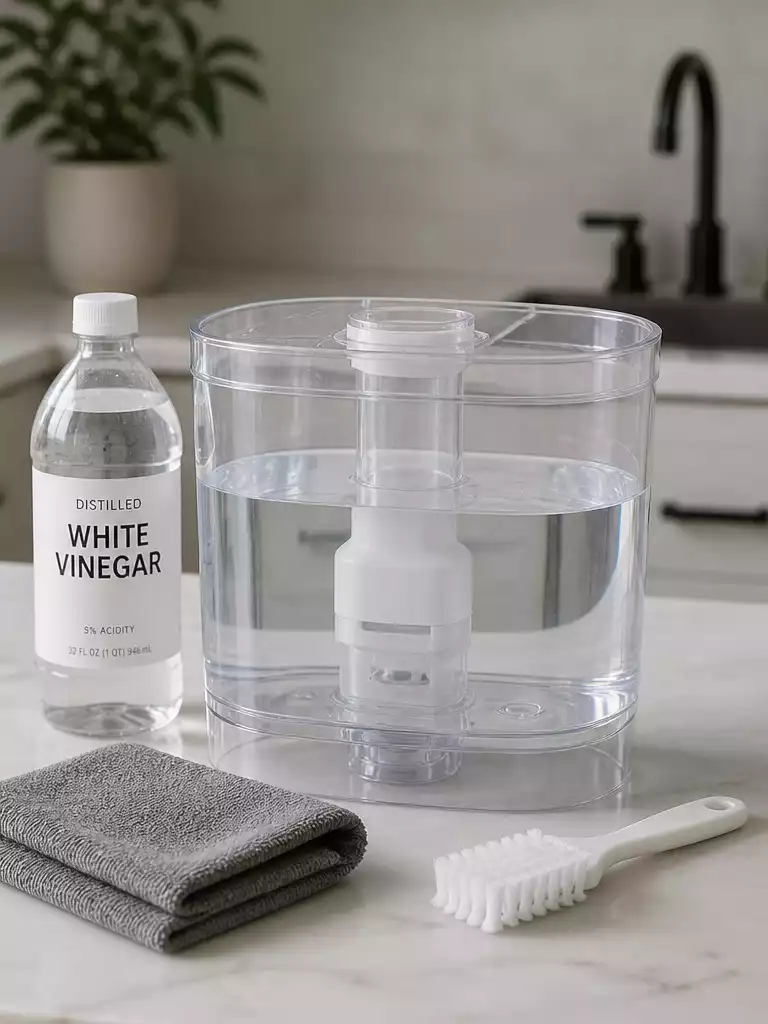
- Weekly: Clean the humidifier with vinegar.
- Monthly: Inspect and replace any filters if needed.
Sticking to this routine not only keeps your humidifier functioning well but also safeguards your health by ensuring that the moisture released is clean and safe.
Detecting Common Issues: Persistent Odors and White Dust
Sometimes, despite your best efforts, you may notice persistent odors or white dust around your humidifier. These issues can indicate a problem that needs addressing. Odors can be a sign of stagnant water or mold, while white dust typically comes from minerals in hard water.
- Use distilled water to reduce white dust.
- If you smell an unpleasant odor, empty and clean the tank immediately.
- Check for any buildup in the filter or unit components.
By being proactive and aware of these common issues, you can tackle them before they become a bigger problem!
Role of Humidifier Filters in Maintenance
Humidifier filters play a significant role in keeping your device running smoothly. They trap impurities and help ensure that only clean moisture enters your space. However, filters can become saturated or clogged over time, leading to decreased efficiency.
- Check filters every month.
- Replace filters based on your usage frequency.
- Consider using a humidifier with a filter indicator if available.
By staying on top of filter maintenance, you’ll help your humidifier operate at its best, contributing to the overall health of your indoor environment!
Frequently Asked Questions About Cleaning Your Humidifier
As I’ve worked with various clients over the years, I’ve come across many questions regarding humidifier cleaning. Here are some frequent queries that may arise:
- Can all humidifiers be cleaned with vinegar? While many humidifiers can be cleaned with vinegar, some manufacturers may recommend specific cleaning methods. Always check your owner’s manual to ensure you’re using the right approach!
- How often should I clean my humidifier? I suggest cleaning your humidifier at least once a week, or every 3-5 days if you use it regularly. This helps to maintain its performance and your health.
- Do I need to disinfect after cleaning with vinegar? Typically, if you’ve cleaned thoroughly with vinegar, additional disinfection may not be necessary. However, if you notice any lingering smells or residue, a quick disinfecting rinse can be beneficial.
- What are the risks of not cleaning your humidifier? Neglecting to clean your humidifier can lead to various issues, including mold growth, decreased efficiency, and poor air quality. It’s essential to stay on top of maintenance to avoid these problems!
- What are optimal indoor humidity levels? Ideally, indoor humidity should be between 30-50% for the best air quality and to prevent issues like dry skin or mold growth.
- How can I prevent white dust from my humidifier? White dust is often caused by minerals in hard water. Using distilled water instead of tap water can significantly reduce white dust accumulation.
Your Next Steps: Keeping Your Humidifier in Top Condition
Now that you understand the importance of proper maintenance, it’s time to take action! Keeping your humidifier in great shape is easier than you might think.
Investing in Tools for Routine Maintenance
Having the right tools makes maintenance easier and more effective. I recommend investing in a few essential items:
- A soft brush for scrubbing
- A spray bottle for vinegar
- Replacement filters specific to your model
With these tools handy, you can ensure your humidifier stays clean and functional!
Seeking Professional Help: When to Call a Technician
Sometimes, issues may arise that require more than just routine maintenance. If you notice unusual noises, leaks, or persistent odors, it might be time to call a technician. Always trust your instincts!
Home Remedies for Preventive Maintenance
In addition to regular cleaning, there are several home remedies that can help keep your humidifier in optimal condition. For example, using distilled water can help minimize mineral buildup.
- Consider adding a few drops of essential oil for a pleasant scent.
- Regularly check and clean the surrounding area.
By incorporating these practices, you can maintain a fresh and healthy environment in your home!
Recap of Key Points
Here is a quick recap of the important points discussed in the article:
- Regular Cleaning is Essential: Clean your humidifier at least once a week to prevent bacteria and mold growth.
- Health Benefits: A clean humidifier reduces allergens and respiratory issues, supporting overall immune health.
- Optimal Humidity Levels: Maintain indoor humidity between 30-50% for the best air quality.
- Cleaning Schedule: Establish a routine based on usage—daily water changes and weekly deep cleaning.
- Monitor Filters: Check and replace filters regularly to ensure efficient operation.
- Professional Help: Don’t hesitate to call a technician for persistent issues or unusual noises.