
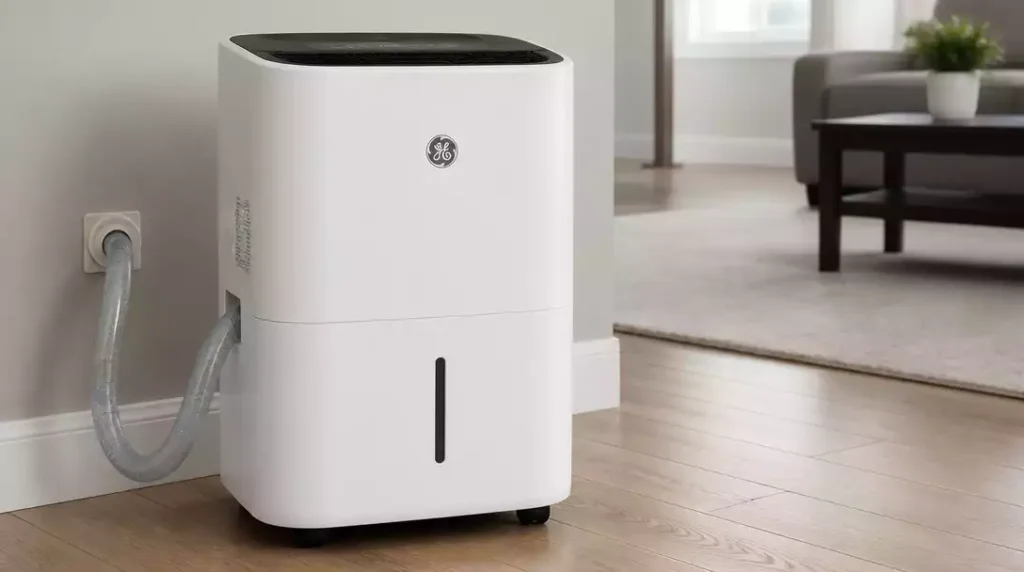
Are you struggling with your GE dehumidifier’s hose? You’re not alone! Many users experience common issues that can affect performance and indoor air quality. Understanding these challenges can help you prevent bigger problems down the line.
What You Will Learn
- Common symptoms of GE dehumidifier hose issues include water pooling and improper drainage.
- Understanding the causes of hose failure, such as blockages and pump issues, can improve troubleshooting efforts.
- Regular maintenance tasks, like inspecting and cleaning the hose, are essential for optimal performance.
- Proper hose routing and tight connections are critical for effective water drainage.
- Knowing when to seek professional help can save time and ensure your unit operates smoothly.
- Familiarizing yourself with warranty terms and support options protects your investment and aids in timely repairs.
Troubleshooting GE Dehumidifier Hose Issues
GE Dehumidifier Hose Not Working
If you’ve noticed that your GE dehumidifier hose isn’t performing as expected, you’re not alone! Many users encounter common symptoms that indicate a hose malfunction. These can include water pooling around the unit, failure to drain properly, or an unexpected buildup of humidity in the air.
Recognizing these signs early can save you from larger issues down the line. In my experience, addressing hose problems promptly not only maintains the efficiency of your dehumidifier but also helps in keeping your indoor air quality at healthier levels. For a broader understanding of dehumidifier functionality, you might find our guide on how a dehumidifier works insightful.
Common Reasons for Hose Failure in GE Dehumidifiers
There are several reasons why the hose on your GE dehumidifier might fail. Understanding these can help you troubleshoot effectively. Here are some common culprits:
- Hose blockages due to debris or mold.
- Improper installation, such as incorrect connections.
- Internal pump issues that prevent effective drainage.
Identifying the specific cause of your hose issue can significantly enhance your response strategy. For example, a blockage may only require a simple cleaning, while pump malfunctions might indicate a need for more in-depth repairs or replacements.
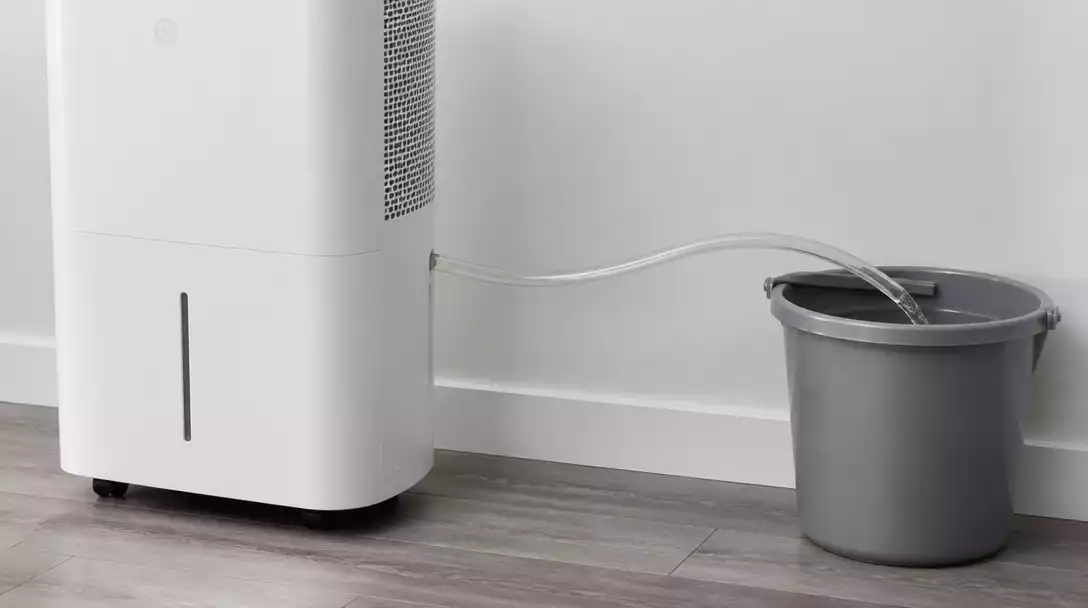
Importance of Regular Maintenance for Effective Humidity Control
Regular maintenance of your GE dehumidifier is crucial for effective humidity control. Not only does it help in preventing drainage issues, but it also boosts the overall performance of the unit. I recommend setting a routine to check and clean the hose, as this can dramatically improve air quality in your home.
Here are some maintenance tasks to consider:
- Inspecting the hose for kinks or blockages.
- Cleaning the unit and surrounding area to prevent dust buildup.
- Checking the internal pump and float switch functionality.
By keeping up with these simple tasks, you can avoid many common problems related to the drainage system and enjoy a fresher environment! If you’re looking for general tips on how to fix a dehumidifier, our comprehensive guide on how to fix a dehumidifier provides valuable insights.
Identifying and Diagnosing Drain Hose Issues
Diagnosing Water Drainage Problems
When your dehumidifier isn’t draining effectively, you can follow a step-by-step process to pinpoint the issue. Start by checking that the unit is plugged in and operating correctly. Then, examine the hose to ensure it’s not blocked or kinked.
Checking Hose Connections and Fit
A good fit is essential for your dehumidifier to function properly. Check that all connections are tight and that rubber washers are in place. This simple step can prevent leaks and ensure smooth operation.
Assessing Hose Position and Routing
Your hose needs to be positioned correctly to allow for effective drainage. Make sure it’s routed downward without any bends or kinks that could impede water flow. This attention to detail can make a big difference in efficiency!
Evaluating Internal Pump Functionality
If the hose seems fine but drainage is still an issue, it might be time to test the internal pump. Listen for any unusual noises and check if the pump is activating as it should. This will help you determine if the problem lies within the pump itself.
Understanding the Role of the Float Switch in Water Management
The float switch is a critical component of effective water management in your dehumidifier. This device helps to prevent overflow and leaks by regulating water levels in the unit. If the float switch is malfunctioning, it could lead to serious drainage issues.
Pro Tip
Did you know? Regularly checking your dehumidifier’s hose for blockages and ensuring it’s properly connected can significantly extend the lifespan of the unit. Make this a part of your monthly maintenance routine to keep your home’s air quality in top shape!
Frequently Asked Questions About GE Dehumidifier Hoses
- Q: Why is my GE dehumidifier hose not draining water?
- A: Common reasons include blockages in the hose from debris or mold, improper connections, kinks in the hose, or issues with the internal pump or float switch. Start by inspecting the hose for kinks and blockages, then check connections.
- Q: How often should I clean my GE dehumidifier hose?
- A: It’s recommended to inspect and clean your dehumidifier hose as part of your regular maintenance routine, ideally once a month or whenever you notice a decrease in drainage efficiency or water pooling. Regular cleaning prevents mold and debris buildup.
- Q: What are the signs of a malfunctioning float switch?
- A: A malfunctioning float switch can cause the dehumidifier to stop draining, overflow, or not turn on at all, as it incorrectly senses the water level. If your unit is not draining but the hose is clear, the float switch could be the culprit.
- Q: Can I replace the hose on my GE dehumidifier myself?
- A: Yes, in most cases, replacing the drain hose is a straightforward process. Ensure you purchase a compatible replacement hose and follow the instructions in your GE dehumidifier’s manual for proper installation. Make sure all connections are tight to prevent leaks.
- Q: When should I call a professional for GE dehumidifier hose issues?
- A: You should seek professional help if you experience persistent drainage problems despite troubleshooting, observe signs of internal damage, hear unusual noises from the unit, or if an internal pump malfunction is suspected. Professionals can accurately diagnose and repair complex issues.
Final Thoughts on Your GE Dehumidifier’s Hose Functionality
In closing, maintaining your GE dehumidifier’s hose functionality is essential for effective humidity control in your home. Remember the key troubleshooting steps we’ve discussed, such as checking hose connections, assessing pump functionality, and performing regular maintenance. These practices can ensure your dehumidifier operates smoothly, creating a comfortable environment.
It’s always a good idea to keep an eye on how your dehumidifier performs. If you notice any irregularities, addressing them quickly can prevent bigger issues down the road!
When to Seek Professional Help
Sometimes, troubleshooting may lead you to a point where it’s best to call in the experts. Here are a few scenarios where contacting GE support or a professional repair technician is advisable:
- Persistent drainage problems despite following troubleshooting steps
- Signs of internal damage or malfunctioning components
- Unusual noises coming from the unit that indicate mechanical failure
If you find yourself experiencing any of these situations, don’t hesitate to reach out for professional assistance. It can save you time and ensure your dehumidifier is restored to optimal performance! For specific GE repair advice, our article on GE dehumidifier repair can be a helpful resource.
Understanding Your Warranty and Customer Support Options
Knowing your warranty terms is vital for any appliance owner. Here’s what you should keep in mind:
- Check your warranty coverage for repairs or part replacements
- Document any issues thoroughly before contacting support
- Utilize available customer support channels for quick assistance
Familiarizing yourself with these options not only protects your investment but also helps you receive timely help when needed. Don’t forget, the GE customer support team is there to help you navigate any challenges!
Encouraging User Engagement and Feedback
We love hearing from our readers! Sharing your experiences with GE dehumidifier hose issues not only helps us improve but can also assist others in the community. If you have questions, stories, or helpful tips, please don’t hesitate to share them in the comments below.
Your feedback is invaluable in creating a resourceful environment for everyone. Let’s work together to keep our homes comfortable and dehumidified!
Recap of Key Points
Here is a quick recap of the important points discussed in the article:
- Recognize symptoms of hose malfunction, such as water pooling and failure to drain.
- Common reasons for hose failure include blockages, improper installation, and internal pump issues.
- Regular maintenance, including hose inspections and cleaning, is crucial for optimal performance.
- Check hose connections and routing to ensure effective drainage.
- Assess the internal pump and float switch functionality to troubleshoot drainage problems.
- Seek professional help for persistent issues, signs of damage, or unusual noises.
- Understand your warranty terms for repairs and customer support options.
Pingback: GE Dehumidifier Not Working