Did you know that maintaining the right humidity levels in your home can significantly impact both comfort and health? In this guide, we’ll explore practical strategies for managing moisture without a dehumidifier.
What You Will Learn
- The effects of high humidity on health and home, including mold growth and respiratory issues.
- Immediate solutions for humidity control, such as opening windows and using fans.
- Effective use of natural ventilation and the importance of timing when airing out your space.
- How to employ air conditioners and exhaust fans to manage moisture levels efficiently.
- Room-specific strategies to tackle humidity, ensuring a comfortable living environment.
- Ongoing moisture management tips, including regular checks and using a hygrometer.
Practical Approaches to Dehumidifying a Room Without a Dehumidifier
Humidity can be a sneaky problem in our homes, often creeping in without us realizing it. It affects not just our comfort but also the health of our indoor environment. High humidity can lead to issues like mold growth, musty odors, and even health problems. So, it’s super important to keep moisture levels in check!
In the following sections, I’ll share some practical approaches to dehumidifying your space without the need for a traditional dehumidifier. These tips are effective, easy to implement, and can make a significant difference in your comfort levels!
Humidity’s Impact on Indoor Environments
When humidity levels rise, it can feel sticky and uncomfortable. Moreover, it can lead to deterioration of your home environment over time. Here are some effects of high humidity:
- Increased risk of mold and mildew growth
- Damage to furniture and other household items
- Unpleasant odors
- Health issues like allergies and respiratory problems
By understanding these impacts, you can better appreciate the importance of maintaining a balanced humidity level. It’s not just about comfort; it’s about protecting your health and home!

Quick Fixes: Immediate Solutions for Humidity Control
Sometimes we need quick solutions to deal with sudden spikes in humidity. Here are some immediate actions you can take:
- Open windows for natural ventilation
- Use fans to circulate air
- Turn on your air conditioning
- Take shorter, cooler showers
These quick fixes can make a noticeable difference. By taking action right away, you can reduce the moisture in the air and create a more comfortable living environment!
1. Utilize Natural Ventilation Effectively
Opening windows and doors can be one of the simplest ways to promote airflow. But timing is crucial! Ideally, you want to open them during the cooler parts of the day, like early morning or late evening. This way, you can let in the fresh air while keeping out the heat.
Effective natural ventilation can help reduce humidity by allowing moist air to escape. Remember, if it’s humid outside too, it’s best to keep those windows closed!
2. Employing Fans for Enhanced Air Circulation
Fans can be your best friend when it comes to air circulation. Whether it’s a ceiling fan, a standing fan, or even a box fan, they help move the air around, making it feel cooler and less humid.
Consider placing a fan near a window to draw in fresh air or positioning it to direct air toward a humid area. This simple strategy can help disperse excess moisture effectively!
3. Understanding the Role of Air Conditioners
Your air conditioner does more than just cool down your space; it also works to lower humidity levels. Running your AC can help remove moisture from the air, making your home feel more comfortable.
Be sure to keep the filters clean for optimal performance, as dirty filters can reduce efficiency. If you notice it’s not working as well, it might be time for a check-up!
4. The Impact of Exhaust Fans on Moisture Control
Exhaust fans are vital for controlling moisture, especially in areas like kitchens and bathrooms. They help remove steam and odors during cooking or bathing, which can significantly reduce humidity.
Make sure you run these fans during and after cooking or showering to effectively remove excess moisture and keep your spaces dry!
Room-Specific Strategies for Moisture Reduction
Different areas of your home may require tailored approaches to combat moisture. Here are some strategies for specific rooms:
- Keep bedroom doors open to promote airflow.
- Use lids when cooking to minimize steam.
- Hang towels up to dry instead of leaving them in a pile.
- Check your basement for signs of dampness and water entry.
By implementing these room-specific strategies, you can tackle humidity challenges head-on and create a more pleasant living environment!
Pro Tip
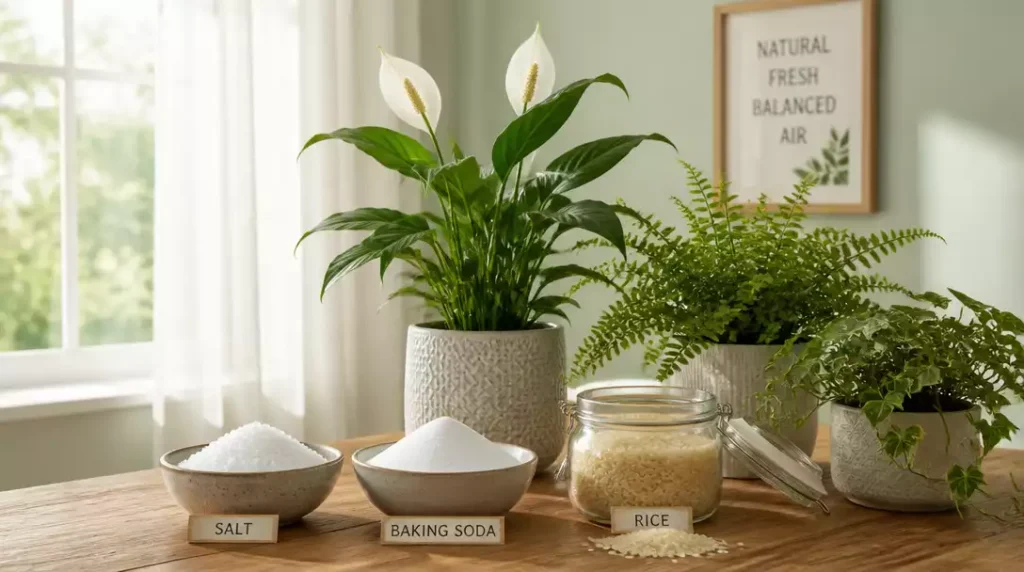
Did you know? Incorporating indoor plants can naturally help absorb excess moisture from the air! Plants like peace lilies and English ivy are particularly effective at improving air quality and reducing humidity levels.
Frequently Asked Questions About Humidity Control
Here are some common questions about managing humidity in your home without a dehumidifier:
- What are the main impacts of high humidity on my home and health?
High humidity can lead to mold and mildew growth, damage to furniture, unpleasant odors, and health issues such as allergies and respiratory problems. - What are some immediate actions I can take to reduce humidity?
You can open windows for natural ventilation, use fans to circulate air, turn on your air conditioning, and take shorter, cooler showers. - How can natural ventilation be used most effectively?
Open windows and doors during cooler parts of the day (early morning or late evening) to let in fresh air. Avoid opening them if it’s humid outside. - Do air conditioners help with humidity?
Yes, air conditioners not only cool your space but also remove moisture from the air, significantly lowering humidity levels. - What are some room-specific tips for moisture reduction?
Keep bedroom doors open for airflow, use lids while cooking, hang towels to dry, and regularly check basements for dampness. - How often should I monitor humidity levels in my home?
It’s recommended to regularly check humidity levels using a hygrometer. Ideally, indoor humidity should be between 30% and 50%.
Summary of Effective Humidity Control Techniques
As we’ve explored various methods, it’s clear that controlling humidity in your home doesn’t have to be a daunting task. Whether you’re combating moisture in the bathroom or keeping your basement dry, these practical strategies can significantly improve your indoor environment. Here’s a quick recap of the effective techniques we discussed:
- Utilizing natural ventilation by opening windows when conditions allow.
- Employing fans strategically to enhance air circulation.
- Running air conditioners to manage humidity levels.
- Using exhaust fans in high-moisture areas like kitchens and bathrooms.
- Incorporating absorbent materials like baking soda and charcoal to trap moisture.
- Identifying root causes of humidity and addressing leaks or insulation problems.
Implementing these approaches can make your home much more comfortable! Don’t hesitate to mix and match these techniques based on your specific needs.
Taking Action: Your Path to a Comfortable Home Environment
Now that you’ve learned about several practical humidity control strategies, it’s time to take action! Start by assessing your home’s moisture levels and select a few techniques that resonate with you. As someone who values a comfortable living space, I encourage you to monitor how these changes impact your indoor environment over time. You might find that a combination of methods works best for you!
Next Steps for Maintaining Optimal Humidity Levels
To ensure long-lasting results, consider these ongoing moisture management tips:
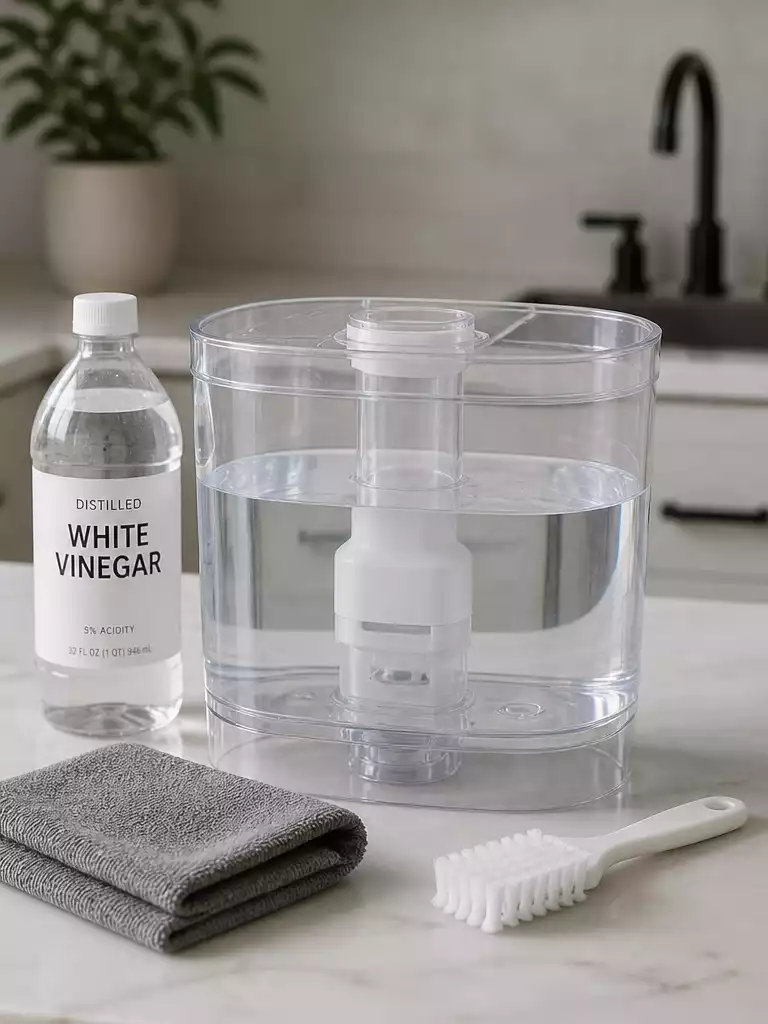
- Regularly check and change filters in HVAC systems. For more details on maintaining your system, consider learning how to clean a humidifier tank, which is essential for optimal performance.
- Use a dehumidifier when needed, even if it’s just on particularly humid days.
- Continue monitoring your home for signs of excess moisture, such as mold or condensation.
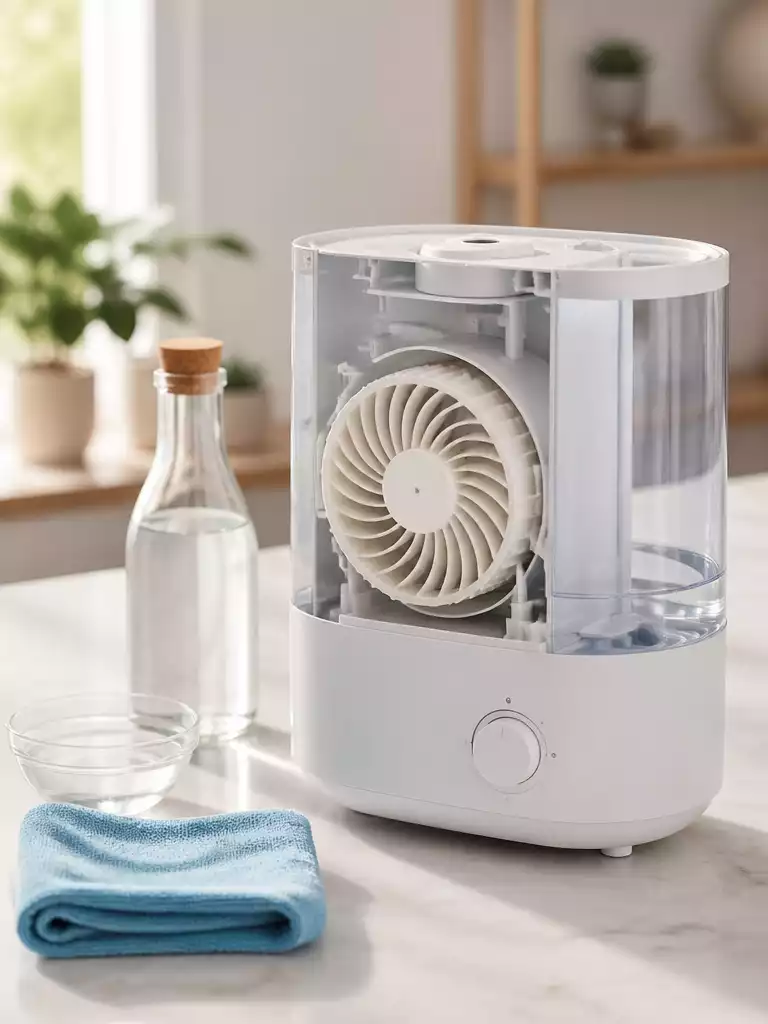
- Keep a routine of checking for leaks and sealing gaps in windows and doors. If you’re encountering issues with a humidifier and need to fix it, you might find valuable insights in our guide on how to fix a humidifier.
If you find persistent humidity issues despite your efforts, it may be time to seek professional help. A specialist can pinpoint underlying problems that you may not be able to identify on your own.
Using a Hygrometer to Monitor Humidity Levels
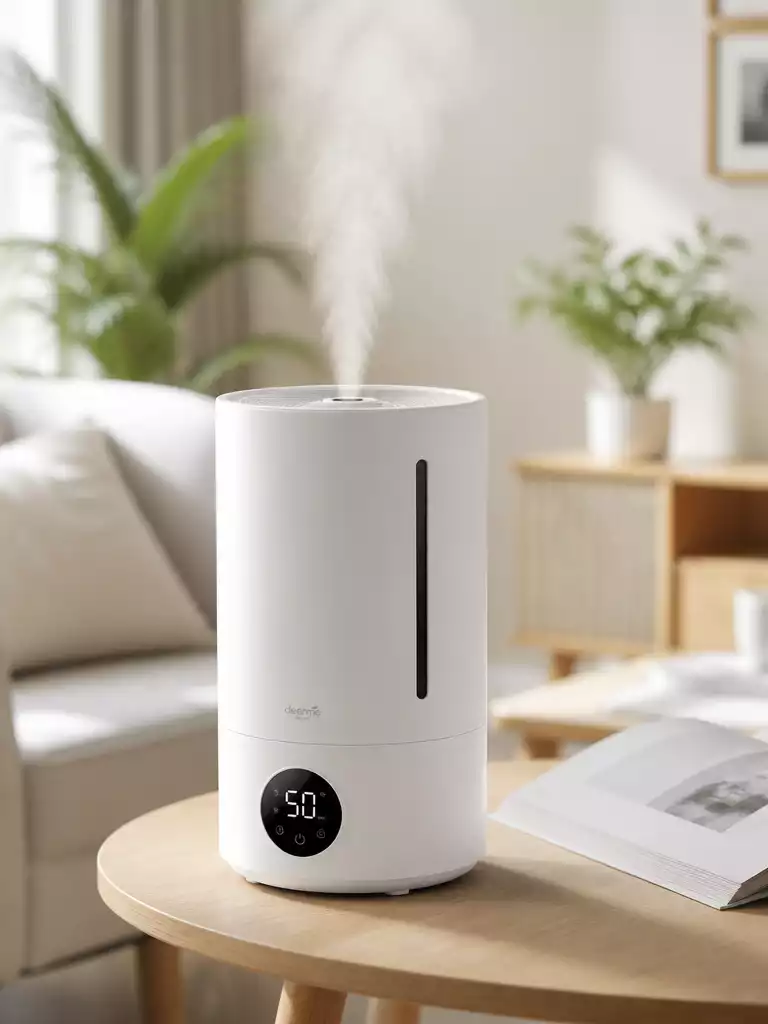
Measuring humidity is crucial for maintaining home comfort and health. A hygrometer is a handy tool that helps you keep track of moisture levels in different areas of your home. Ideally, indoor humidity should be between 30% and 50%. This can help prevent issues like mold growth or dry skin. For those new to humidifiers, understanding how to use a humidifier effectively can also contribute to balanced indoor air quality.
By regularly checking humidity levels, you can adjust your strategies accordingly. This simple step can make a world of difference in your living environment!
Share Your Experience: Community Tips and Feedback
I would love to hear from you! Have you tried any of these methods or have other tips for humidity control? Sharing your personal experiences can help others in our community find effective solutions. Feel free to drop your thoughts in the comments below! Your input could inspire someone else on their journey to a more comfortable home.
Recap of Key Points
Here is a quick recap of the important points discussed in the article:
- Utilize natural ventilation by opening windows when conditions allow.
- Employ fans strategically to enhance air circulation.
- Run air conditioners to manage humidity levels effectively.
- Use exhaust fans in high-moisture areas like kitchens and bathrooms to remove excess humidity.
- Incorporate absorbent materials like baking soda and charcoal to trap moisture in specific areas.
- Identify and address root causes of humidity, such as leaks or insulation issues.