Understanding the intricacies of your Raydrop humidifier can transform your experience from frustration to ease. By mastering a few key troubleshooting techniques, you can ensure your device operates smoothly, maintaining the comfort of your living space.
What You Will Learn
- Check power issues first: Confirm your humidifier is plugged in and the outlet is functional.
- Ensure the water tank is filled and seated properly for optimal mist production.
- Clean blockages: Regularly inspect and clean nozzles and atomizers to prevent clogs.
- Inspect for leaks: Look for worn rubber seals and cracks to address leakage issues immediately.
- Monitor unusual noises: Identify common sounds; seek help for persistent or alarming noises.
- Establish a maintenance routine: Schedule regular cleaning and descaling to prolong the life of your humidifier.
- Understand warranty options: Familiarize yourself with customer support and repair details for assistance.
- Utilize community insights: Learn from user experiences and tips to enhance your troubleshooting skills.
Troubleshooting Your Raydrop Humidifier: Understanding Why It Might Not Be Working
Experiencing issues with your Raydrop humidifier can be frustrating, especially when you rely on it for a comfortable living environment. Let’s dive into some common troubleshooting steps to help you get your humidifier back to working order. By the end, you’ll feel more confident in identifying and solving these pesky problems!
Identifying Power Issues: What to Check First
Before assuming your humidifier has a serious issue, it’s crucial to check power-related factors. Most of the time, a simple oversight can be the culprit. Here are a couple of quick checks to rule out power problems:
- Ensure your humidifier is plugged in securely.
- Confirm that the outlet is functioning properly.
Is Your Raydrop Humidifier Plugged In?
This might sound too simple, but first things first! Make sure your Raydrop humidifier is plugged in. Sometimes, cords can get jostled or become disconnected without you realizing it. A quick check can save you a lot of time and headaches!
Checking the Outlet and Indicator Light
If your humidifier is plugged in and you’re still having issues, it’s time to check the outlet. You can do this by plugging another device into the same socket to see if it works. Additionally, look for any indicator lights on your humidifier. If the light is off, there may be a power issue that needs further exploration.
Common Reasons for No Mist Production
If your Raydrop humidifier is powered on but isn’t producing mist, you’re not alone. There are several reasons this can happen, and fortunately, most of them can be resolved without too much hassle. Let’s break down the key checks here:
- Inspect the water tank levels and seating.
- Check for any blocked nozzles or clogged atomizers.
- Look for incorrect assembly or settings.
Assessing Water Tank Levels and Proper Seating
First, check the water tank. If it’s empty or not seated correctly, your humidifier won’t function properly. Make sure it’s filled to the required level and securely placed back in its position. A quick adjustment could be all it takes! For more detailed guidance, see our article on how to fill a humidifier.
Blocked Nozzles and Clogged Atomizers: Solutions
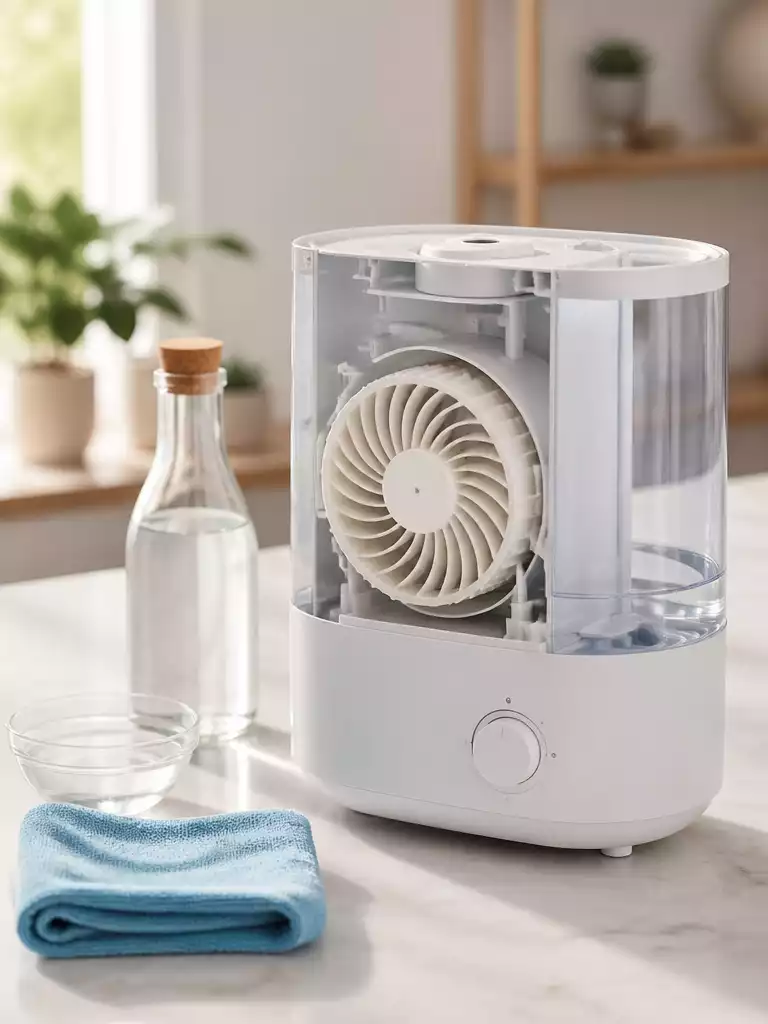
Sometimes, minerals from the water can build up and block the nozzles or clog the atomizers. If you notice that mist production has significantly decreased, inspect these parts for any blockages. A gentle cleaning with vinegar can help clear these obstructions.
Checking for Incorrect Assembly and Settings
Lastly, ensure that your humidifier is assembled correctly according to the manual. If any parts are out of place, it could hinder performance. Also, double-check your settings—sometimes, a simple adjustment can restore function!
Understanding Ultrasonic Technology: How It Affects Mist Output
Your Raydrop humidifier utilizes ultrasonic technology, which plays a significant role in how it produces mist. By grasping how this technology works, you can better optimize its performance. Here are two key points to consider:
- Understand its role in humidification.
- Learn how to adjust mist output for your environment.
The Role of Ultrasonic Technology in Humidification
Ultrasonic technology uses high-frequency vibrations to turn water into a fine mist. This process is efficient and quiet, making it perfect for home use! However, if the humidifier isn’t producing mist, it’s essential to ensure the components are functioning correctly.
How to Optimize Mist Output for Your Environment
To get the best results, consider your room size and humidity needs. Adjust settings accordingly—sometimes, a higher output is needed in larger rooms. Keep an eye on humidity levels to find the sweet spot!
Addressing Leakage Problems in Your Humidifier
Leakage can be a common issue with humidifiers and can often be resolved with a few checks. To tackle this problem, here are some essential steps:
- Inspect rubber rings and tank caps for wear and tear.
- Look for cracks in the tank or body of the humidifier.
- Avoid overfilling the water tank.
Inspecting Rubber Rings and Tank Caps
Rubber rings and caps are crucial for preventing leaks. If you notice any cracks or signs of wear, replacing these parts can often resolve leakage issues. This small maintenance step can make a significant difference!

Identifying Cracks and Overfilled Tanks
Check for any visible cracks in the tank or body. If the tank is overfilled, it may not operate effectively, leading to leaks. Make sure it’s filled to the recommended level for optimal performance.
Dealing with Unusual Noises from Your Raydrop Humidifier
Unusual noises can be alarming and may indicate a malfunction. Let’s explore common sources of noise and what they might mean:
- Identify common noise sources.
- Evaluate noise levels and decide when to seek help.
Common Noise Sources and Their Implications
Sometimes, sounds like bubbling or gurgling could be normal, especially when water is flowing through the system. However, if you hear grinding or excessive rattling, it might signal a more serious issue. Taking note of these sounds can help identify the problem quickly!
Evaluating Noise Levels and When to Seek Professional Help
If noises seem unusual or persistent, don’t hesitate to reach out for help. Consulting with a professional can save you time and ensure that your humidifier runs smoothly without any long-term damage.
Essential Maintenance Tips for Raydrop Humidifiers
Regular maintenance is key to keeping your Raydrop humidifier functioning optimally. Here’s a few essential tips to keep in mind:
- Follow a cleaning routine with vinegar.
- Prevent mineral buildup through regular descaling.
- Establish a maintenance schedule for consistent performance.
Cleaning with Vinegar: A Step-by-Step Guide
Cleaning your humidifier with vinegar is effective and simple! Mix equal parts vinegar and water, run it through the system, and rinse thoroughly. This will help eliminate any buildup and keep your humidifier operating efficiently. For a comprehensive guide, check out how to clean a humidifier with vinegar.
Preventing Mineral Buildup and Regular Descaling
To prevent mineral buildup, consider using distilled water. Regular descaling is essential, especially if you live in an area with hard water. Keeping this maintenance in check will enhance the lifespan of your humidifier!
Establishing a Maintenance Schedule for Optimal Performance
Creating a maintenance schedule can greatly improve your humidifier’s performance. Regular cleaning, part inspections, and timely replacements can save you from unexpected issues down the line. A little time invested now goes a long way!
Pro Tip
Did you know? Regularly checking and replacing the filters in your Raydrop humidifier can significantly improve its efficiency and mist output. A clean filter ensures optimal performance by preventing dust and mineral buildup that can clog the system!
Summary of Solutions and Next Steps for Your Raydrop Humidifier
Now that we’ve gone through some troubleshooting steps for your Raydrop humidifier, it’s essential to recap the key solutions. This can help you address common issues effectively and ensure your humidifier operates smoothly!
Recap of Key Troubleshooting Steps
Here’s a quick reference guide to tackle those pesky humidifier problems:
- Check if the unit is plugged in and the outlet is working.
- Inspect the water tank levels and ensure it’s seated correctly.
- Clean out any blocked nozzles or clogged atomizers.
- Review your assembly and settings for accuracy.
Regular maintenance plays a vital role in keeping your humidifier in top shape. By performing routine checks, you can catch potential issues before they escalate!
Importance of Regular Maintenance and Care
Staying on top of maintenance ensures that your humidifier lasts longer and runs efficiently. Consider scheduling monthly cleanings and descaling to prevent mineral buildup. A well-cared-for humidifier will provide better humidity control and enhance your indoor comfort!
When to Contact Customer Support for Further Assistance
If you’ve gone through the troubleshooting steps and your Raydrop humidifier still isn’t functioning correctly, it may be time to reach out for professional help. Understanding when to seek assistance is crucial!
Understanding Warranty and Repair Options
Check your warranty details to see if it covers repairs or replacements. Many Raydrop models come with a warranty that can help you with any significant issues. Knowledge is power, so familiarize yourself with these options!
Finding Reliable Customer Support Resources
For any lingering questions or concerns, don’t hesitate to connect with Raydrop’s customer support. You can find helpful resources through their official website or by reaching out directly via phone or email. They’re there to help you!
Evaluating Customer Feedback on Raydrop Humidifiers
When troubleshooting, it’s also beneficial to tap into the wealth of experiences shared by fellow users. Understanding how others have resolved similar issues can provide insights that you may not have considered.
Insights from User Reviews and Experiences
Diving into user reviews can give you a broader perspective. Many customers share practical tips and tricks that have worked for them, which can enhance your troubleshooting process and overall satisfaction with your humidifier!
Learning from Community Resources and Tips
Joining forums or community groups focused on Raydrop humidifiers can also be enriching. You can discover hidden gems of advice and even share your own experiences, helping others along the way!
Frequently Asked Questions About Raydrop Humidifiers
Q1: My Raydrop humidifier isn’t turning on. What should I check first?
A1: First, ensure the humidifier is securely plugged into a functioning power outlet. You can test the outlet by plugging in another device. Also, check for any indicator lights on the humidifier; if they are off, it points to a potential power issue.
Q2: Why is my Raydrop humidifier not producing mist?
A2: Common reasons for no mist production include an empty or improperly seated water tank, blocked nozzles, or clogged atomizers due to mineral buildup. Ensure the tank is filled and correctly placed, and clean any obstructed parts with vinegar.
Q3: How can I fix a leaking Raydrop humidifier?
A3: Leakage often results from worn rubber rings or tank caps, visible cracks in the tank, or overfilling. Inspect these components for damage and replace them if necessary. Always ensure the tank is filled to the recommended level.
Q4: What kind of noises are normal for a Raydrop humidifier, and when should I be concerned?
A4: Occasional bubbling or gurgling sounds as water moves through the system are typically normal. However, persistent grinding, excessive rattling, or other unusual and alarming noises may indicate a serious issue, and you should consider seeking professional help.
Q5: How often should I clean my Raydrop humidifier?
A5: Regular cleaning is crucial for optimal performance and longevity. It’s recommended to clean your humidifier weekly, especially if you live in an area with hard water, using a solution of equal parts vinegar and water to prevent mineral buildup and ensure efficient operation.
Encouragement to Stay Proactive with Your Humidifier Care
Taking a proactive approach to your humidifier care will pay off in the long run. By investing time in maintenance, you’re ensuring that your device remains a reliable ally in maintaining comfortable humidity levels.
Taking Preventative Measures to Ensure Longevity
Here are some preventative measures you can take to keep your humidifier functioning optimally:
- Clean your humidifier regularly, ideally every week.
- Use distilled water to minimize mineral buildup.
- Store the humidifier properly during off-seasons.
Investing in quality maintenance ensures better performance and a longer lifespan for your humidifier. It’s a small effort for substantial peace of mind! For further assistance with cleaning, you can refer to our guide on how to clean a Raydrop humidifier.
Community Resources: Sharing Your Experiences and Tips
Don’t forget to share your own insights with the community! Your experiences can help others troubleshoot and maintain their devices effectively, fostering a supportive environment.
Understanding Humidity Control and Its Benefits
Maintaining proper humidity levels is not just about comfort; it significantly impacts your indoor air quality. When humidity is balanced, it can help alleviate respiratory issues and reduce the spread of germs!
How Proper Humidity Levels Enhance Indoor Air Quality
Proper humidity control can lead to a healthier living space. It can reduce allergens and irritants, making your home a more pleasant place to be.
Using Essential Oils Safely in Your Humidifier
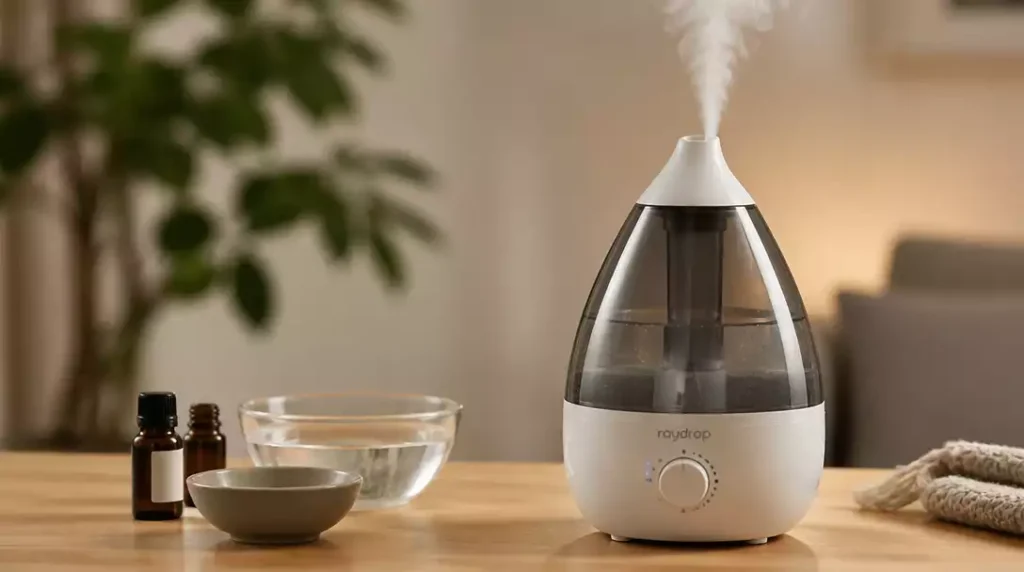
If you enjoy using essential oils, make sure to do so safely! Not all humidifiers are designed for oils, so check your user manual to avoid damaging your unit. When used correctly, essential oils can enhance your humidifying experience!
Recap of Key Points
Here is a quick recap of the important points discussed in the article:
- Ensure your humidifier is plugged in and the outlet is functioning properly.
- Check water tank levels and make sure it is seated correctly.
- Clean any blocked nozzles or clogged atomizers to restore mist production.
- Review assembly and settings for accuracy to prevent operational issues.
- Perform regular maintenance, including cleaning with vinegar and descaling to prevent mineral buildup.
- Contact customer support if problems persist after troubleshooting.