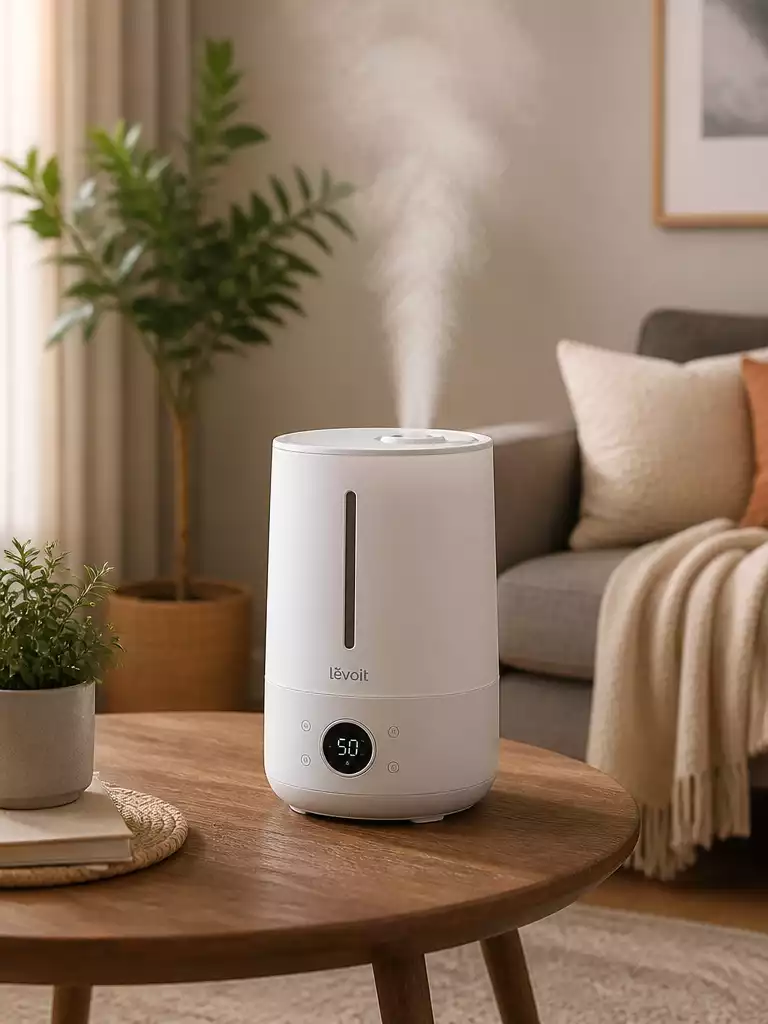
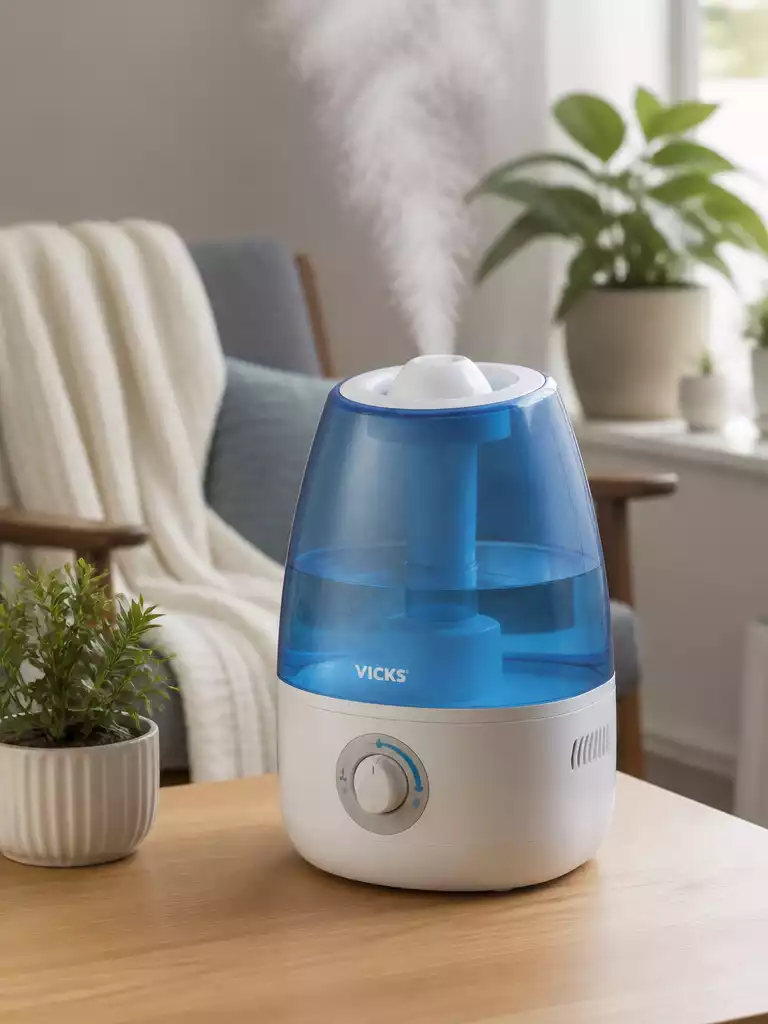
Did you know that proper setup and maintenance of your humidifier can enhance your health and comfort? Let’s explore the essentials of maximizing your Vicks humidifier experience.
What You Will Learn
- Essential steps for unboxing and preparing your Vicks humidifier for immediate use.
- How to choose the optimal location to enhance performance and air circulation.
- The key differences between Vicks warm and cool mist humidifiers to find the best fit for your needs.
- Important safety and maintenance guidelines to prolong the lifespan of your humidifier.
- Best practices for water use, including the benefits of distilled versus tap water.
- How to maintain and replace filters for continued efficiency and freshness in mist output.
Step-by-Step Guide to Setting Up Your Vicks Humidifier
Setting up your Vicks humidifier is a breeze if you follow the right steps. Let’s dive into how to properly unbox your humidifier and get it ready for use. Ensuring everything is in place from the start can save you time and headaches later!
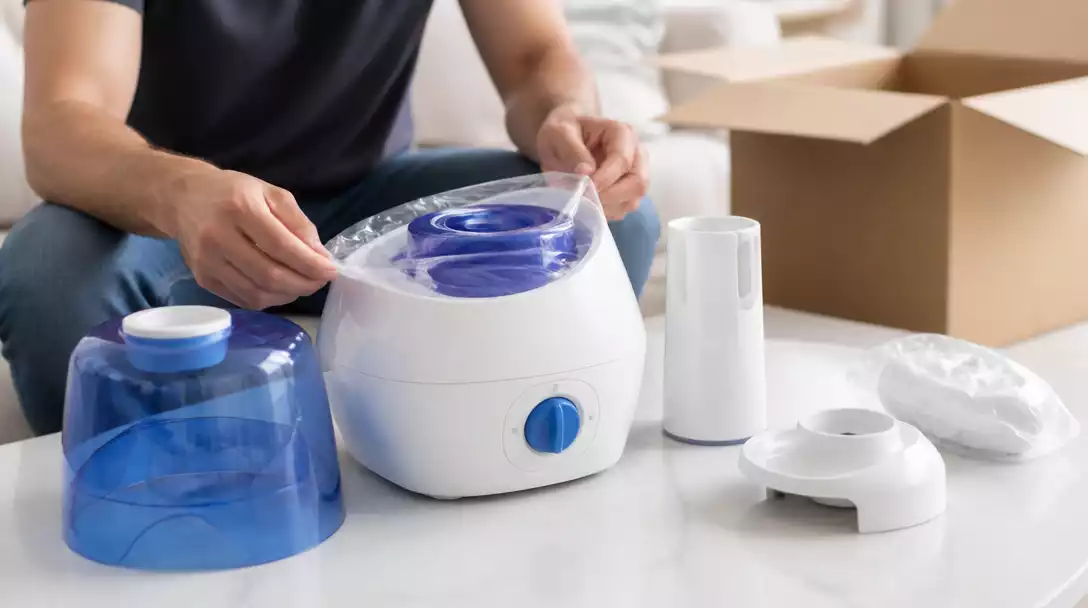
First, make sure you find a clear working space. Carefully open the box, taking care not to damage the humidifier. Remove all packing materials, like styrofoam or plastic wraps, while keeping an eye out for any small parts that might be tucked away.
Unboxing and Preparing Your Humidifier
Once you’ve got your Vicks humidifier out of the box, it’s time to prepare it for use. Here are the steps:
- Remove protective plastic and tape from the device.
- Check for all components: the water tank, mist chimney, and any setting controls.
- Read through the user manual to familiarize yourself with the parts.
Taking a moment to ensure everything is there will make your setup process smoother! You’ll want to avoid any surprises down the line.
Choosing the Right Location for Your Humidifier
Location matters! Selecting the right spot for your humidifier will optimize its performance. Aim for a firm, water-resistant surface—like a table or a dresser—far away from walls and furniture.
- Ensure it’s at least 12 inches away from walls.
- Keep it out of direct sunlight to prevent overheating.
- Avoid placing it near electronics that could be damaged by humidity.
Choosing a suitable location isn’t just about aesthetics; it can significantly impact how well your humidifier works. A good spot allows for better air circulation. For more tips on overall humidifier usage, read our guide on how to use a humidifier.
Understanding the Differences: Vicks Warm vs. Cool Mist Humidifiers
Vicks offers both warm and cool mist models, each with unique benefits. Let’s break them down to find the right fit for you!
- Warm Mist: Great for colder months and soothing for coughs and congestion.
- Cool Mist: Ideal for year-round use and helps maintain humidity levels without heating the room.
Both types can improve air quality, but you may find one suits your personal needs better. If you’re unsure, I recommend trying both options to see which one feels right for your space! If you’re wondering when to use a warm mist humidifier, check out our detailed article.
Filling and Starting Your Vicks Humidifier
Now that your humidifier is ready and in place, it’s time to fill and start it up! Filling the water tank correctly is crucial for optimal performance.
Pro Tip
For the best results, always use distilled water in your Vicks humidifier. Not only does it minimize mineral buildup, but it also helps maintain optimal performance and reduces the frequency of cleaning!
Key Safety and Maintenance Tips for Your Vicks Humidifier
To get the most out of your Vicks humidifier, it’s crucial to follow safety and maintenance guidelines! Keeping your unit in tip-top shape ensures that it runs efficiently and lasts longer.
Here are some important safety notes to consider when using your humidifier:
- Keep humidity levels between 30% and 50% for optimal comfort.
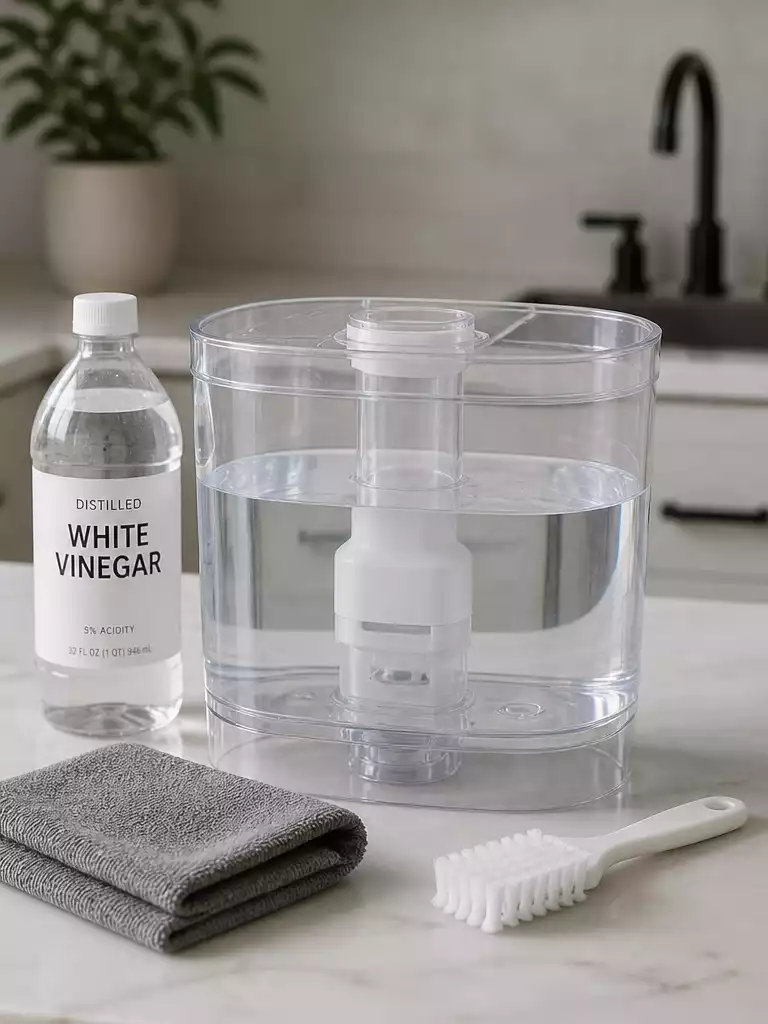
- Regularly clean your humidifier to prevent mold and bacteria buildup.
- Always unplug your unit when not in use and before cleaning.
By maintaining these practices, you can ensure a safe and effective humidifying experience for you and your family!
Best Practices for Water Use
Choosing the right water can significantly impact your Vicks humidifier’s performance. Let’s dive into the differences between distilled and tap water:
- Distilled Water: Minimizes mineral buildup and is generally recommended for humidifiers.
- Tap Water: May contain minerals that can cause deposits and affect performance.
- Filtered Water: A good alternative if distilled water isn’t available, as it reduces contaminants.
Using distilled water not only enhances the performance of your humidifier but also reduces the frequency of cleaning—making it a smart choice!
Understanding Filter Replacement and Maintenance
Filters are essential for the optimal functioning of your humidifier. Here’s when and how to replace them:
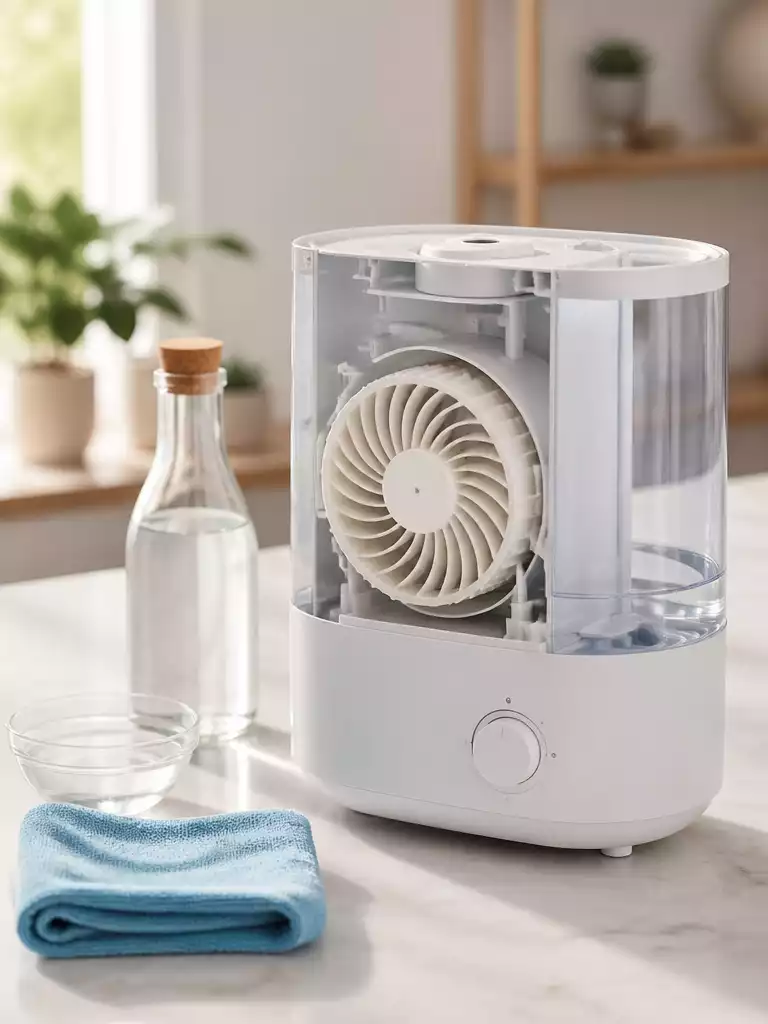
- Check your filter monthly for any signs of wear or blockage.
- Replace filters every 1-3 months, depending on usage and water quality.
- Follow the manufacturer’s guidelines for replacement to ensure the best performance.
By staying on top of filter maintenance, you can enjoy clean, fresh mist and prolong the life of your Vicks humidifier! If you’re experiencing issues, our article on Vicks humidifier not working might offer solutions.
Frequently Asked Questions About Vicks Humidifiers
Here are some common questions about Vicks humidifiers and their answers:
- Q: How often should I clean my Vicks humidifier?
A: It’s recommended to clean your Vicks humidifier every 1-2 weeks, or more frequently if used continuously, to prevent mineral buildup and bacterial growth. - Q: Can I use essential oils in my Vicks humidifier?
A: Only use essential oils in models specifically designed for them, typically those with a medicine cup or a diffused pad. Adding oils directly to the water tank of other models can damage the unit. - Q: What should I do if my Vicks humidifier is not producing mist?
A: First, check if the water tank is full and correctly seated. Then, ensure the unit is plugged in and turned on. If it’s a cool mist humidifier, check the wick filter for clogs or signs of needing replacement. For warm mist models, mineral buildup can sometimes block the heating element, requiring a thorough cleaning. - Q: What’s the ideal humidity level for a room?
A: The ideal indoor humidity level is between 30% and 50%. Maintaining this range can help prevent dry skin, irritated airways, and static electricity, while also deterring mold and dust mite growth. - Q: Is it okay to leave my humidifier on all night?
A: Yes, it is generally safe to leave your humidifier on all night, especially if you live in a dry climate or are experiencing congestion. Just ensure the water tank is full and that you maintain appropriate humidity levels in the room.
Recap of Key Points
Here is a quick recap of the important points discussed in the article:
- Unbox your humidifier carefully, ensuring all components are present.
- Choose a suitable location, keeping it at least 12 inches away from walls and out of direct sunlight.
- Understand the benefits of warm versus cool mist humidifiers to select the right model for your needs.
- Maintain humidity levels between 30% and 50% for optimal comfort and efficiency.
- Use distilled water to minimize mineral buildup and enhance performance.
- Regularly check and replace filters as needed to ensure clean mist and prolong the humidifier’s life.