Have you ever wondered why your humidifier fan isn’t performing as expected? Understanding the common signs and causes of humidifier fan issues can empower you to troubleshoot effectively and maintain a healthier indoor environment.
What You Will Learn
- Identify key symptoms of a malfunctioning humidifier fan, such as strange noises or weak airflow.
- Recognize common causes of fan problems, including power issues and mechanical blockages.
- Understand the importance of maintaining optimal indoor humidity levels for effective fan performance.
- Learn essential troubleshooting steps to diagnose and repair your humidifier fan issues.
Understanding Humidifier Fan Issues: Common Symptoms and Causes
When your humidifier is supposed to be working, but the humidifier fan is not working, it can be frustrating. It’s essential to identify the signs that indicate something is off. Common symptoms include the fan not starting at all, producing unusual noises, or having weak airflow. If you find yourself in this situation, don’t worry! I’ll help you navigate through these issues.
Have you ever experienced a noisy humidifier fan? It can be quite bothersome, especially when you expect your humidifier to quietly enhance your indoor air quality. Recognizing these signs early can save you time and restore comfort to your living space.
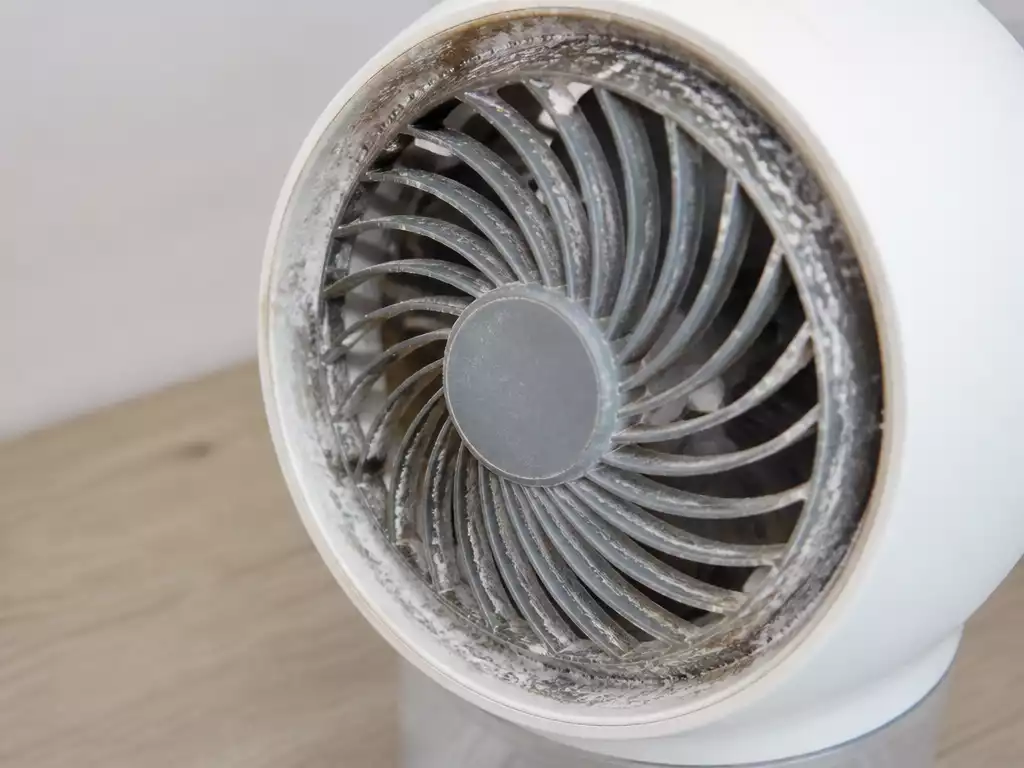
Identifying Signs of a Malfunctioning Humidifier Fan
Here are some common symptoms that indicate your humidifier fan might be malfunctioning:
- The fan doesn’t start when powered on.
- There are strange noises coming from the unit.
- Airflow feels weak or inconsistent.
- Humidity levels in your home remain low despite the humidifier being on.
If you’re experiencing any of these issues, it’s crucial to troubleshoot the problem. Ignoring these signs can lead to bigger issues down the line and compromise the overall air quality in your home.
Common Causes of Humidifier Fan Problems
Several factors might be behind the problems with your humidifier fan. Let’s take a look at some common causes:
- Power Issues: Check if the unit is plugged in and if the outlet is functioning.
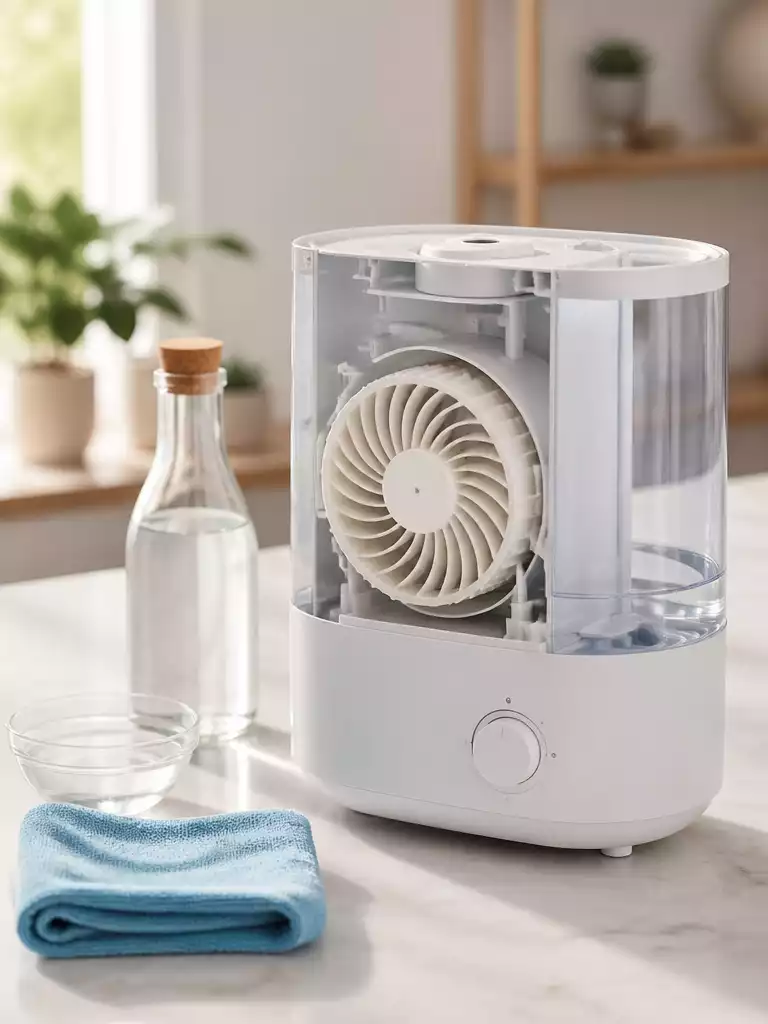
- Mechanical Blockages: Dust or mineral buildup can obstruct the fan.
- Component Failures: Failures in the humidistat, motor burnout, or control board can be culprits.
Understanding these potential causes can help you pinpoint the issue more quickly. If you’re not sure where to start, I recommend checking the power supply first—it’s often the simplest fix!
The Role of Humidity Levels in Fan Performance
Indoor humidity levels play a significant role in how effectively your humidifier fan operates. If the air in your home is too dry, the fan will work harder to bring moisture into the environment. On the other hand, if humidity is too high, the fan may struggle to keep up. Maintaining optimal humidity levels is essential for both the performance of your humidifier and the overall air quality.
In general, keeping your indoor humidity between 30-50% is ideal. It not only ensures your humidifier fan operates efficiently but also contributes to a healthier living space. Regularly monitoring these levels can prevent many issues associated with humidifier fans.
Pro Tip
Did you know? Regularly cleaning your humidifier fan can significantly extend its lifespan and improve airflow. Make it a habit to check for dust and mineral buildup every few months. A clean fan not only enhances performance but also ensures that the air quality in your home remains at its best!
Summary of Key Repair Insights for Your Humidifier Fan
When it comes to diagnosing and fixing humidifier fan issues, there are a few essential steps you shouldn’t overlook. First, always start by identifying the symptoms your fan is experiencing. Is it not starting at all, making unusual noises, or providing weak airflow? These signs will guide your troubleshooting process.
Next, consider the common causes we’ve discussed, such as power issues, mechanical blockages, and potential component failures. Understanding these factors can save you time and frustration as you navigate through your repair journey. Remember, maintaining optimal humidity levels greatly impacts your humidifier’s performance as well.
- Check for power source issues.
- Look for mechanical blockages within the fan.
- Diagnose any failing components like the motor or control board.
- Implement regular maintenance practices to prevent future problems.
By following these structured steps, you can effectively troubleshoot and resolve humidifier fan issues, ensuring your home stays comfortable and healthy.
Frequently Asked Questions (FAQs)
- Q1: What are the common signs of a malfunctioning humidifier fan?
- A1: Common signs include the fan not starting, producing strange noises, weak or inconsistent airflow, and persistent low humidity levels in your home.
- Q2: What causes humidifier fan problems?
- A2: Humidifier fan problems can stem from power issues (e.g., unplugged unit, faulty outlet), mechanical blockages (e.g., dust, mineral buildup), or component failures (e.g., humidistat, motor burnout, or control board issues).
- Q3: How do indoor humidity levels affect fan performance?
- A3: Maintaining optimal indoor humidity levels (30-50%) is crucial. If the air is too dry, the fan works harder; if too high, the fan may struggle to keep up, impacting its efficiency and the overall air quality.
- Q4: What immediate steps can I take to troubleshoot my humidifier fan?
- A4: Start by checking the power supply, looking for mechanical blockages, and identifying any unusual symptoms like noises or weak airflow. Regular cleaning is also a key preventive measure.
- Q5: When should I consider calling a professional for humidifier fan repair?
- A5: If you’ve performed basic troubleshooting steps and the issue persists, or if you suspect a complex component failure and are uncomfortable performing the repair yourself, it’s best to consult a professional.
Encouragement to Take Action: Fix Your Humidifier Fan Today
Now that you have a roadmap for tackling your humidifier fan problems, I encourage you to take action! Not only can DIY repairs save you money, but they also empower you to understand your humidifier better. The satisfaction of fixing your own appliance can be quite rewarding!
As you embark on your repair journey, remember to prioritize safety—whether you’re checking power sources or cleaning the fan. If you find yourself in over your head, don’t hesitate to call a professional. And please, share your experiences or ask any questions in the comments! I’m here to help and would love to hear how your repairs go.
Recap of Key Points
Here is a quick recap of the important points discussed in the article:
- Identify the symptoms of a malfunctioning humidifier fan, such as not starting, unusual noises, or weak airflow.
- Common causes include power issues, mechanical blockages, and component failures.
- Maintaining optimal indoor humidity levels (30-50%) is crucial for the fan’s performance.
- Regular maintenance can help prevent future problems with your humidifier fan.