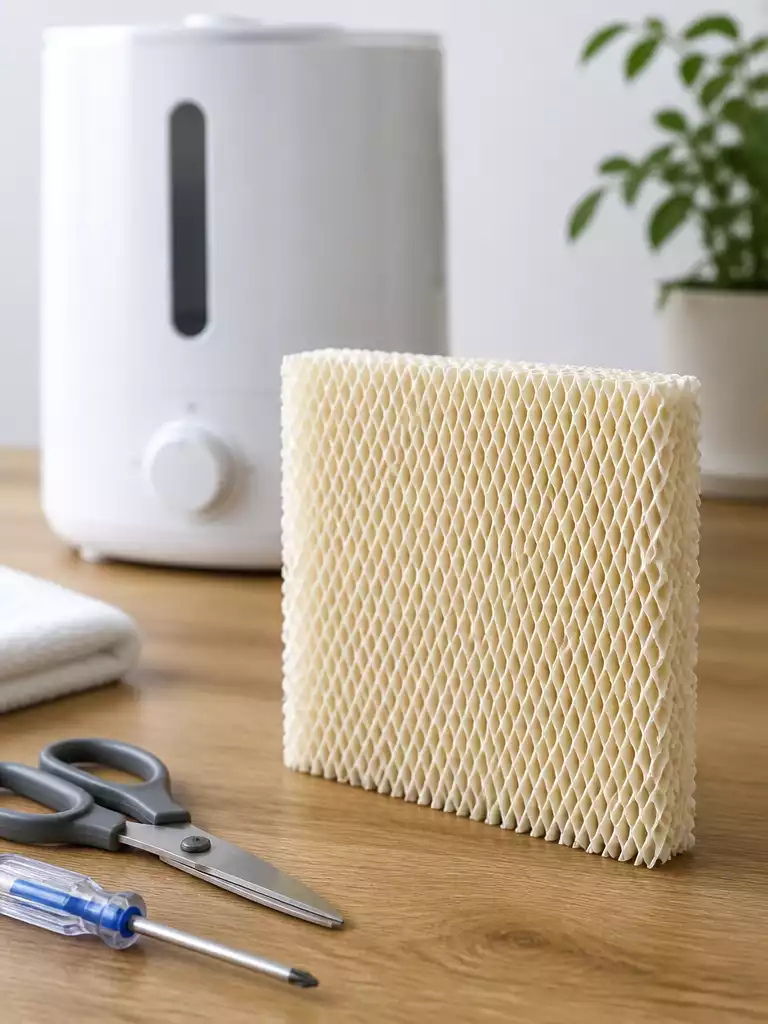
Did you know that the efficiency of your humidifier heavily relies on a simple component: the humidifier pad? Understanding its role and maintenance can drastically improve your air quality and comfort at home.
What You Will Learn
- Humidifier pads, or wick filters, are essential for increasing indoor humidity and improving air quality.
- Regular replacement of humidifier pads prevents health issues by reducing dust, allergens, and bacteria buildup.
- Proper maintenance of wick filters enhances humidifier efficiency and prolongs its lifespan.
- Following safety precautions during pad replacement ensures the humidifier operates effectively without mishaps.
- Choosing energy-efficient humidifiers and using distilled water minimizes environmental impact while maximizing performance.
Understanding Humidifier Pads and Their Importance
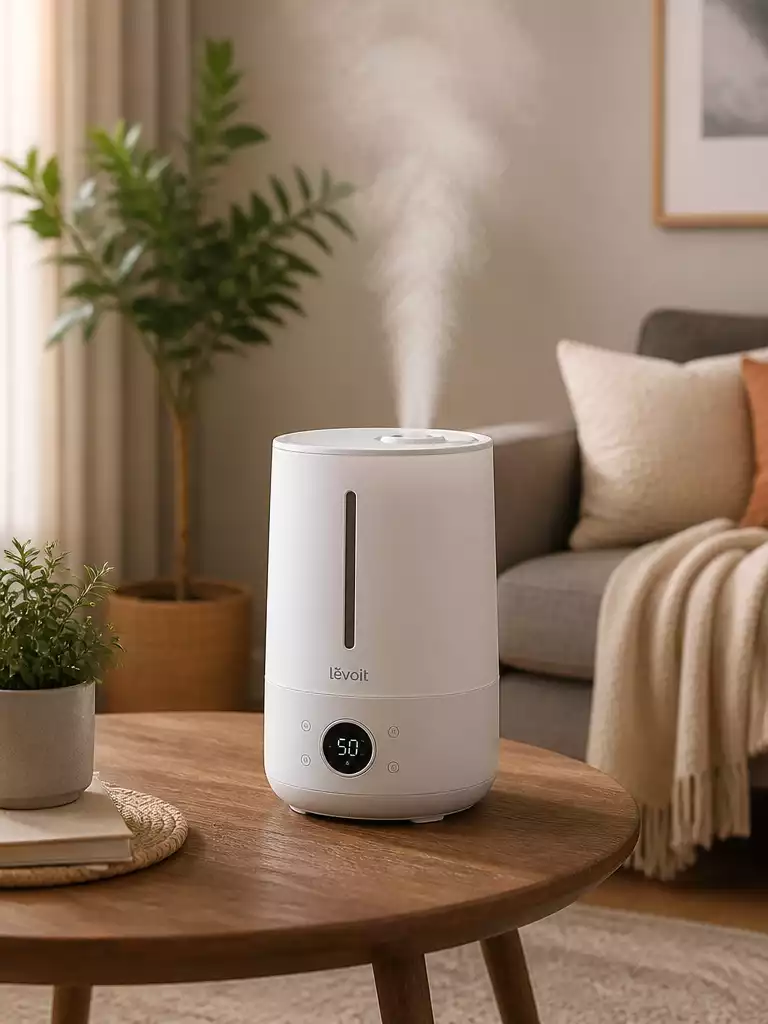
When it comes to maintaining a comfortable indoor environment, humidifier pads play a crucial role. But what exactly are they? These pads, often made from porous materials, are essential components of many humidifiers. They absorb water and allow it to evaporate into the air, increasing humidity levels and improving overall air quality. Understanding these pads is key to ensuring your humidifier operates effectively!
Regularly replacing your humidifier pad is just as important. A worn-out pad can lead to decreased efficiency and even health issues. Dust, allergens, and bacteria can accumulate on old pads, which can be detrimental to your indoor air quality. Keeping your humidifier in top shape means staying on top of pad replacements!
What is a Humidifier Pad?
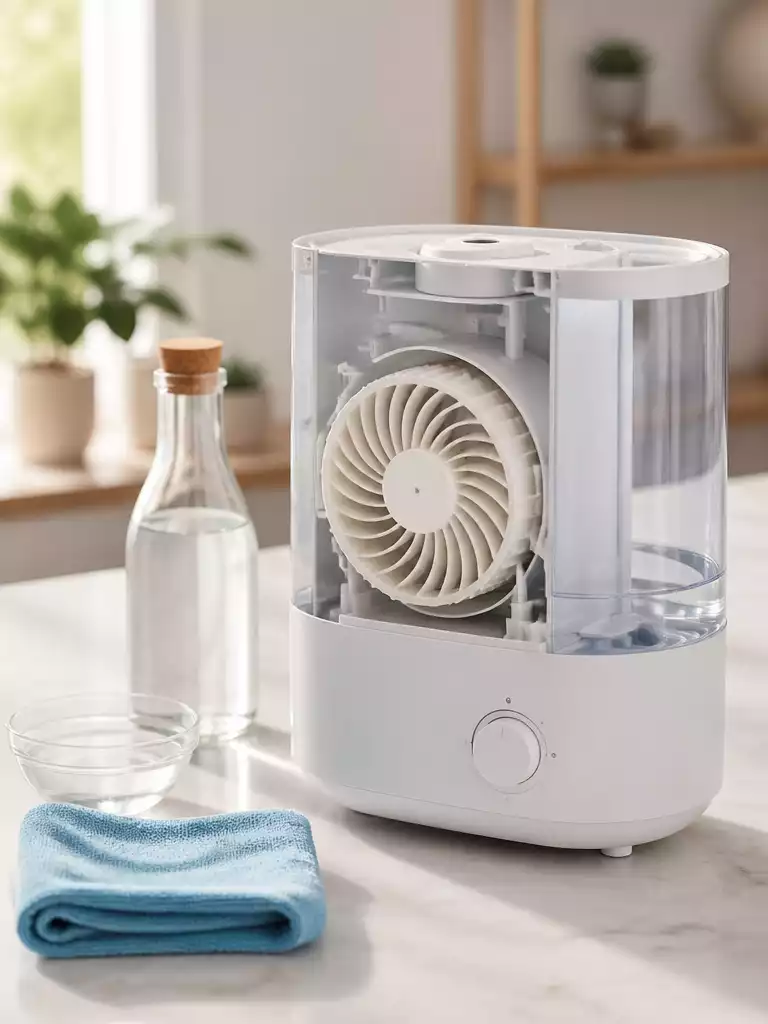
A humidifier pad, often referred to as a wick filter, is designed to absorb water from the humidifier’s reservoir. It works by drawing water up via capillary action and allowing it to evaporate into the surrounding air. This simple yet effective process increases the moisture content of your home, preventing dryness that can lead to discomfort during colder months.
- Made from absorbent materials like cellulose or synthetic fibers.
- Available in various shapes and sizes to fit different humidifier models.
- Requires regular replacement for optimal performance.
By understanding the function of these pads, you can ensure your humidifier is always working efficiently. Remember, a clean and functioning humidifier pad is the backbone of effective humidity control!
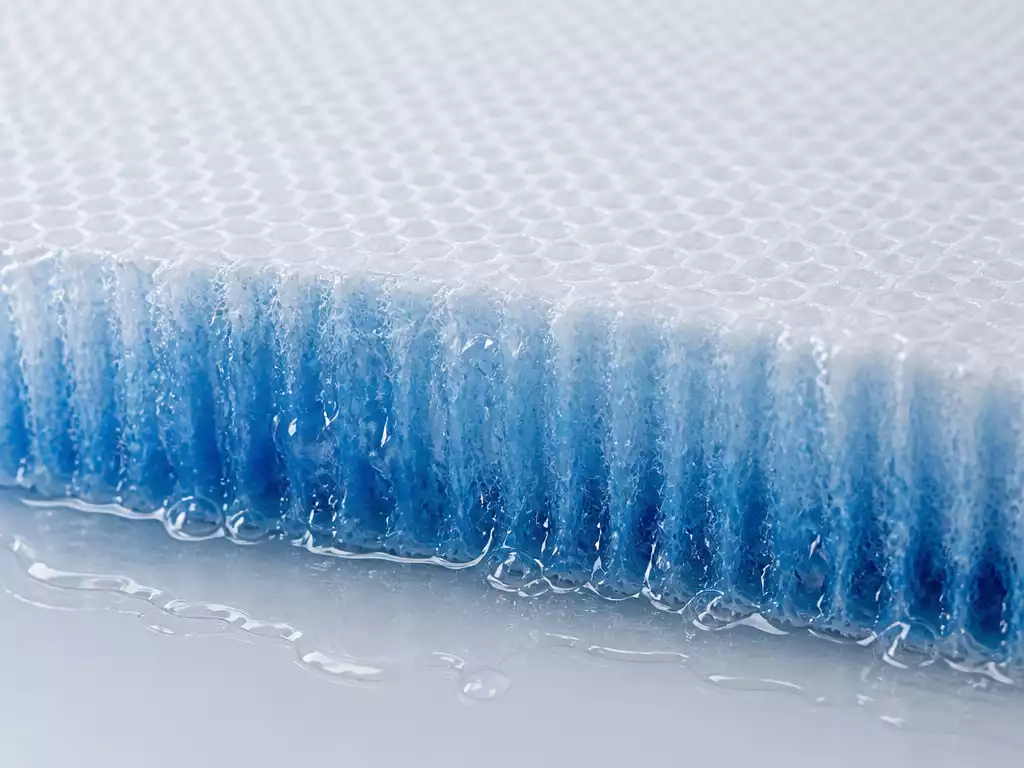
Why Regular Replacement Matters for Efficiency and Health
Replacing your humidifier pad regularly has a direct impact on both the efficiency of your unit and your home’s air quality. A functioning pad ensures that the humidifier operates at its best, creating a comfortable living environment. Failing to replace it can lead to a decline in humidity levels and an increase in airborne contaminants!
- Improves air quality by reducing dust and allergens.
- Enhances humidifier efficiency and prolongs its lifespan.
- Prevents mold and bacteria growth, protecting your health.
So, whether you’re using a whole-home humidifier or a portable unit, be vigilant about your pad replacement schedule. It’s a small step that can lead to big benefits for your home and health!
The Role of Wick Filters in Humidifier Performance
Wick filters, or humidifier pads, are essential for the proper functioning of your humidifier. They not only help to increase humidity levels but also serve as a barrier against dust and other particles that could circulate in your home. With a good wick filter, you’ll notice a significant difference in air quality.
- Traps impurities and helps maintain a healthy humidity level.
- Allows for better moisture release into the air.
- Most models are easy to replace and maintain.
Regular maintenance of these filters is key! If you ignore their condition, you may end up with a humidifier that just doesn’t perform as it should. Keeping a fresh wick filter in place ensures you breathe easier and enjoy all the benefits that proper humidity brings!
Pro Tip
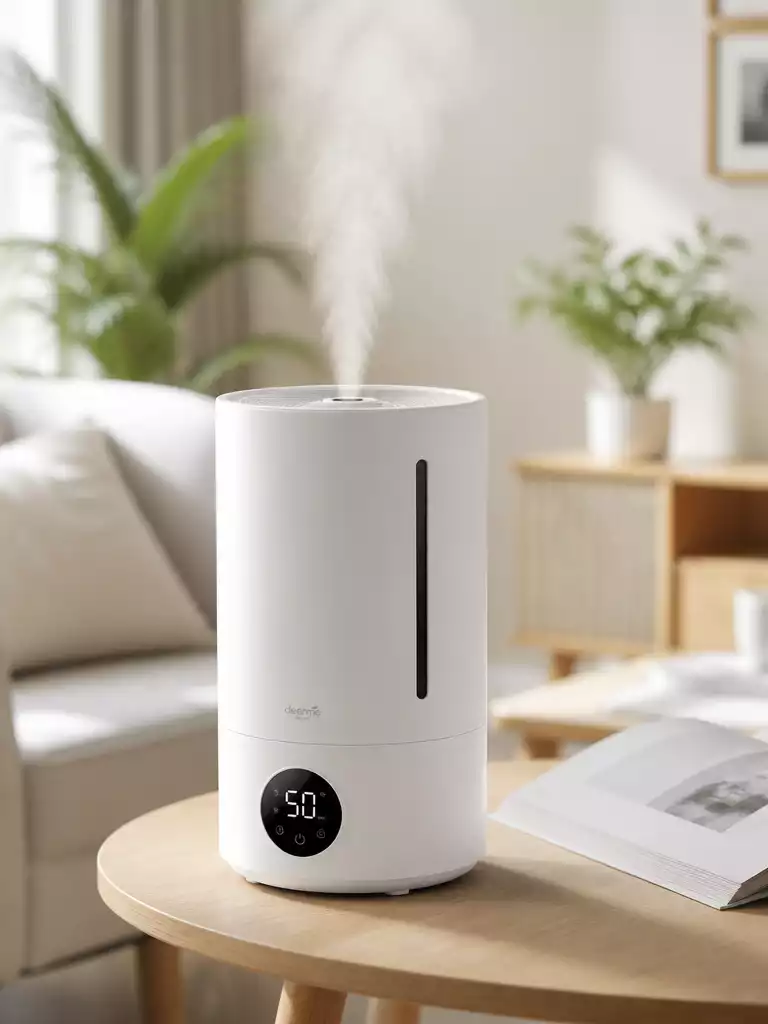
Did you know? Regularly checking the humidity levels in your home can enhance your humidifier’s effectiveness. Aim for a humidity level between 30% and 50% for optimal comfort and health benefits. This simple practice can help you decide when it’s time to replace your humidifier pad and ensure your indoor environment remains pleasant!
Recap of Key Steps for Successful Humidifier Pad Replacement
Replacing your humidifier pad doesn’t have to be daunting! With the right preparation and knowledge, you can ensure everything goes smoothly. Let’s recap the essential steps to help you get back to enjoying clean, comfortable air in your home.
- Always start by turning off the power and water supply to avoid any accidents.
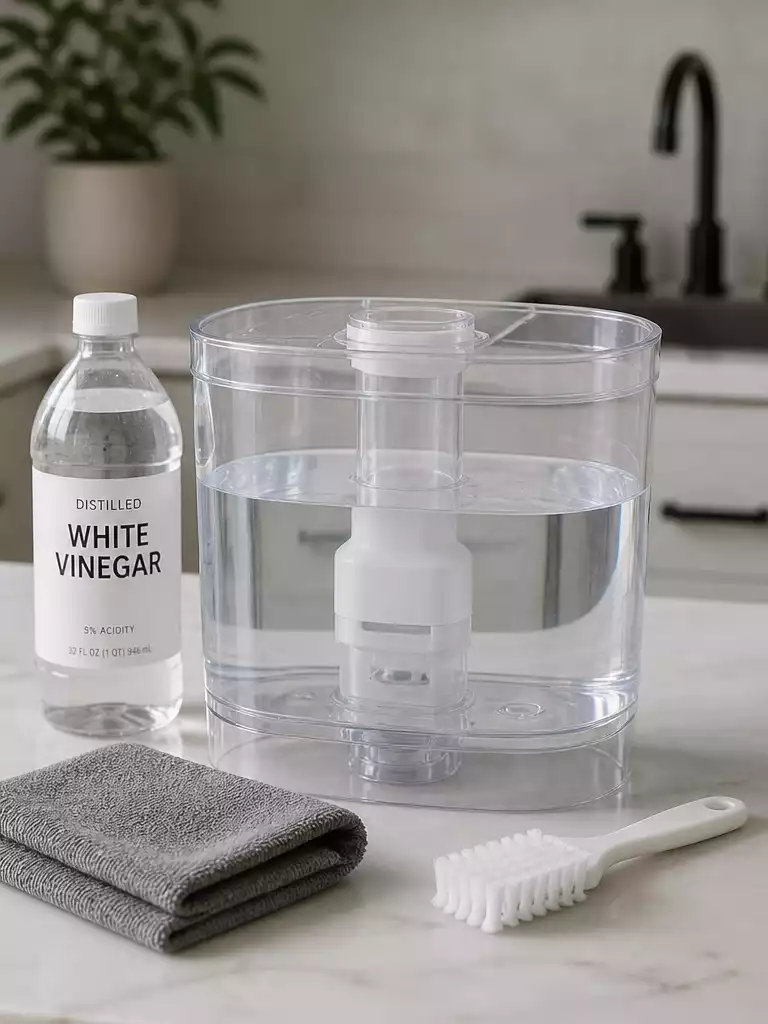
- Gather your tools—typically a screwdriver, a cloth, and maybe a vacuum cleaner for any debris.
- Carefully remove the humidifier’s cover and the water distributor for easy access.
- Take out the old pad, ensuring you handle any buildup or residue safely.
- Insert the new pad in the proper orientation and make sure it’s securely placed.
- Reconnect everything and turn on the power to check for functionality.
Following these steps will not only help with efficiency but also maintain a healthier living environment!
Summary of Safety, Removal, and Installation Procedures
It’s crucial to prioritize safety throughout the replacement process. Make sure to turn off the power and water supply first! When removing the old humidifier pad, be gentle and cautious to avoid damaging any components.
- Check for mold or buildup before installation.
- Ensure everything is clean before inserting the new pad.
- Confirm that all parts are reattached properly after replacement.
By adhering to safety measures, you can easily avoid any mishaps and ensure your humidifier operates at peak performance!
Importance of Regular Maintenance for Optimal Performance
Regular maintenance goes a long way in preserving the functionality of your humidifier. By changing your humidifier pad routinely, you help prevent the growth of bacteria and mold, which can affect air quality. I always recommend checking your humidifier pad every few months, especially during heavy usage seasons!
- Replace pads according to the manufacturer’s recommendations.
- Clean and descale your humidifier regularly to avoid mineral buildup.
- Monitor humidity levels in your home for optimal comfort.
Keeping up with these maintenance tasks ensures you enjoy a healthy and comfortable indoor atmosphere.
Understanding the Environmental Impact of Humidifiers
Humidifiers can significantly impact indoor air quality, which in turn affects our health and well-being. They help maintain the right humidity levels, reducing respiratory issues and improving overall comfort. However, using them responsibly is key!
- Choose energy-efficient models to reduce your carbon footprint.
- Use distilled water to minimize mineral dispersal into the air.
- Regular maintenance helps ensure your device runs efficiently, conserving energy.
By being mindful of how we use humidifiers, we contribute to a healthier environment—both indoors and outdoors!
Engage with Us: Your Humidifier Questions Answered
We’re here to help! If you have any questions about your humidifier or need advice on maintenance, feel free to reach out. Your experiences and insights can also benefit fellow readers, so don’t hesitate to share!
Common Queries: Share Your Experiences and Tips
Many of our customers ask about the best practices for humidifier care. Have you tried any hacks that work well for you? We love hearing your stories and learning from your experiences!
- What common issues have you faced with your humidifier?
- How often do you replace your humidifier pad?
- Any favorite cleaning solutions you’ve discovered?
By sharing, we can create a valuable resource for everyone!
Frequently Asked Questions About Humidifier Pads
- Q: What is a humidifier pad and why is it important?
- A: A humidifier pad, also known as a wick filter, is a porous component that absorbs water and facilitates its evaporation into the air. It’s crucial for increasing indoor humidity, improving air quality, and preventing dryness.
- Q: How often should I replace my humidifier pad?
- A: It’s recommended to replace your humidifier pad every few months, especially during heavy usage seasons. Always refer to your manufacturer’s guidelines for specific recommendations, as frequency can vary by model and usage.
- Q: What are the health benefits of regularly replacing humidifier pads?
- A: Regular replacement prevents the buildup of dust, allergens, mold, and bacteria, which can negatively impact indoor air quality and lead to health issues. A clean pad ensures cleaner, healthier air for your home.
- Q: Can I clean my humidifier pad instead of replacing it?
- A: While some light cleaning might be possible for certain types of pads, it’s generally recommended to replace them. Cleaning may not fully remove all mineral buildup, mold, or bacteria, and can compromise the pad’s efficiency and integrity. Always check the manufacturer’s instructions.
- Q: What safety precautions should I take when replacing a humidifier pad?
- A: Always turn off the power and water supply to your humidifier before starting the replacement process. Be gentle when removing and installing the pad to avoid damaging other components, and ensure all parts are securely reattached before turning the unit back on.
Call to Action: Explore Our Resources for Further Guidance
Looking for more detailed guidance? Check out our website for comprehensive resources on humidifier maintenance and product recommendations. We are committed to helping you make informed decisions!
- Visit our blog for DIY tips and tricks.
- Explore our detailed product reviews.
- Sign up for our newsletter for regular updates and advice.
Let’s keep the conversation going—your comfort is our priority!
Connecting with Local Suppliers and Online Retailers for Replacement Parts
Finding the right replacement parts is essential! We recommend checking both local suppliers and online retailers to compare prices and availability. This way, you can find the best deals to keep your humidifier running smoothly.
- Visit local home improvement stores for hands-on help.
- Check online marketplaces for a wider selection.
- Consider reaching out to customer service for specific inquiries.
We are here to guide you through every step of the process, ensuring you have a reliable humidifier for years to come!
Recap of Key Points
Here is a quick recap of the important points discussed in the article:
- Humidifier pads are essential for maintaining indoor humidity levels and improving air quality.
- Regularly replacing your humidifier pad enhances efficiency and prevents health issues.
- Proper maintenance of wick filters is crucial for optimal humidifier performance.
- Always follow safety procedures during pad replacement to avoid accidents.
- Monitoring humidity levels and routine maintenance contribute to a healthier indoor environment.
- Using energy-efficient humidifiers and distilled water can minimize environmental impact.