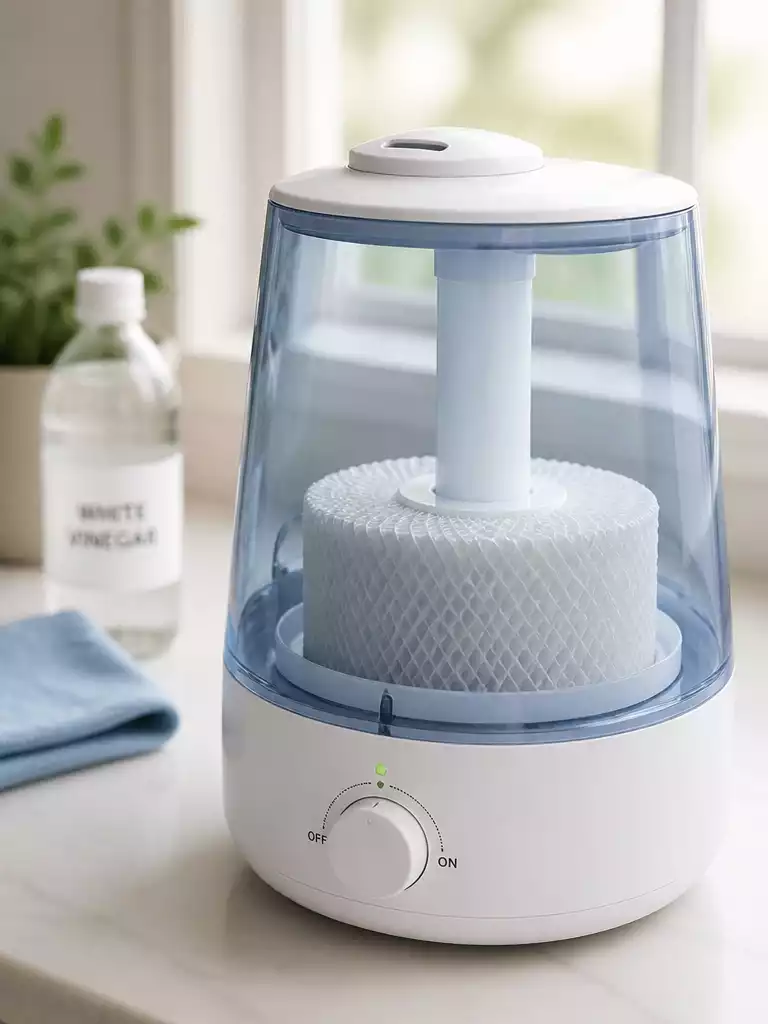
Maintaining your humidifier might seem like a minor task, but did you know that simple wick maintenance can significantly improve your air quality and overall health?
What You Will Learn
- The function of a humidifier wick and its impact on air quality.
- Key signs that indicate your humidifier wick needs cleaning or replacement.
- Health benefits associated with maintaining a clean humidifier wick.
- Guidelines for making informed decisions about cleaning versus replacing your wick.
- Best practices to enhance your humidifier experience and maintain efficiency.
- The role of a humidistat in controlling humidity and improving comfort.
Humidifier Wick Maintenance Needs
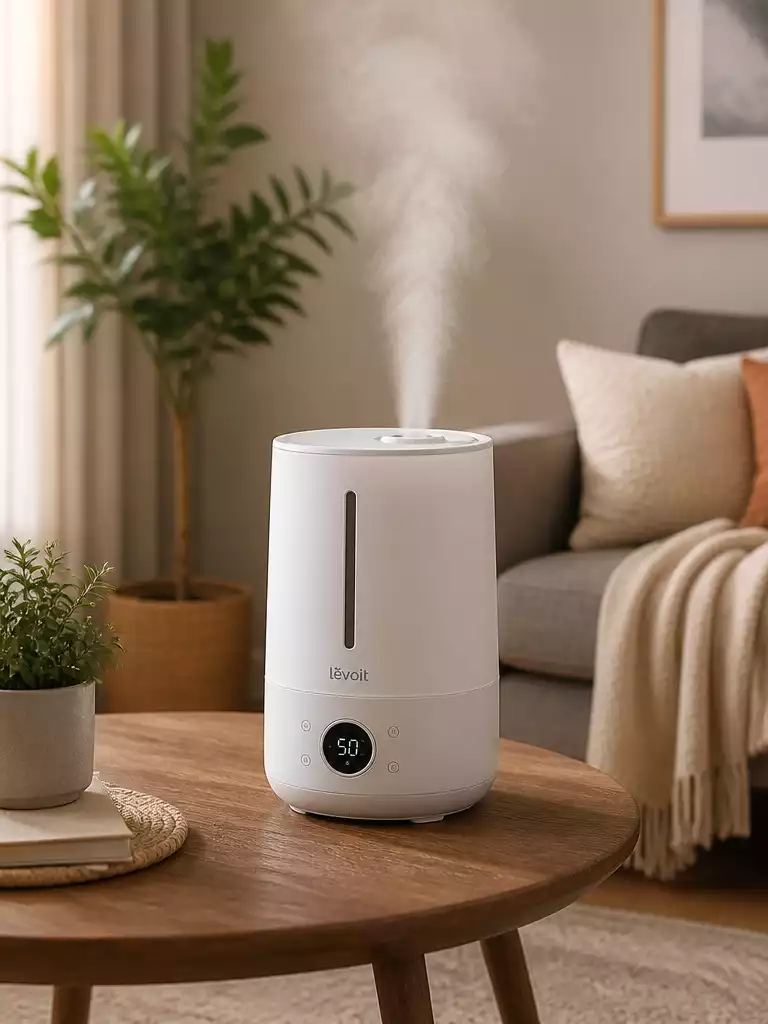
Taking care of your humidifier is essential for maintaining a comfortable environment in your home. One of the key components that requires attention is the humidifier wick. This filter plays a critical role in how well your humidifier operates, affecting both performance and air quality.
A humidifier wick absorbs water from the reservoir and allows it to evaporate into the air, increasing humidity levels. If your wick is dirty or ineffective, it can lead to poor humidification and even health issues. Let’s dive deeper into what a humidifier wick is and why it matters!
What Is a Humidifier Wick and Its Function?
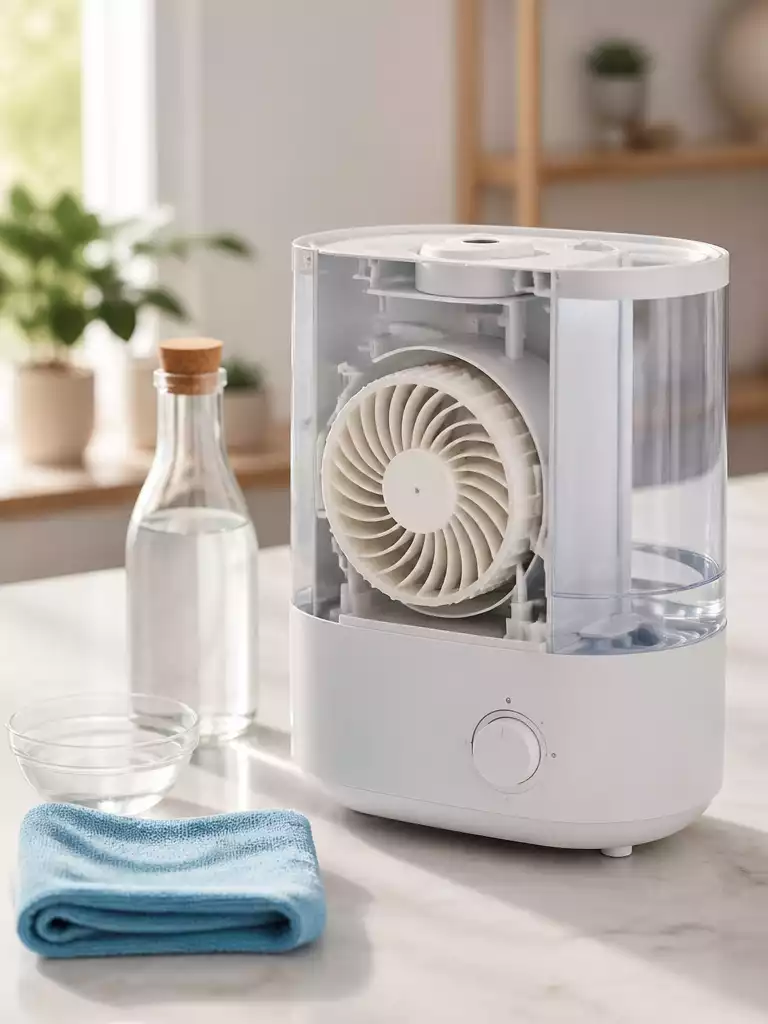
A humidifier wick is typically made from fibrous materials that are designed to hold moisture effectively. When your humidifier is running, air passes through this wick, and the water evaporates, dispersing humidity throughout your space. It’s like a sponge that helps regulate the moisture in the air!
- Absorbs water: The wick draws water from the reservoir.
- Evaporates moisture: Facilitates the evaporation process for effective humidification.
- Filters particles: Helps filter out some impurities from the water.
By understanding how a humidifier wick functions, you can better appreciate the importance of regular maintenance. A clean wick not only enhances efficiency but also contributes to a healthier living environment.
Signs You Need to Clean or Replace Your Wick Filter
Keeping an eye on your humidifier wick can save you from unnecessary headaches! Here are some signs that indicate it’s time to give your wick a little TLC:
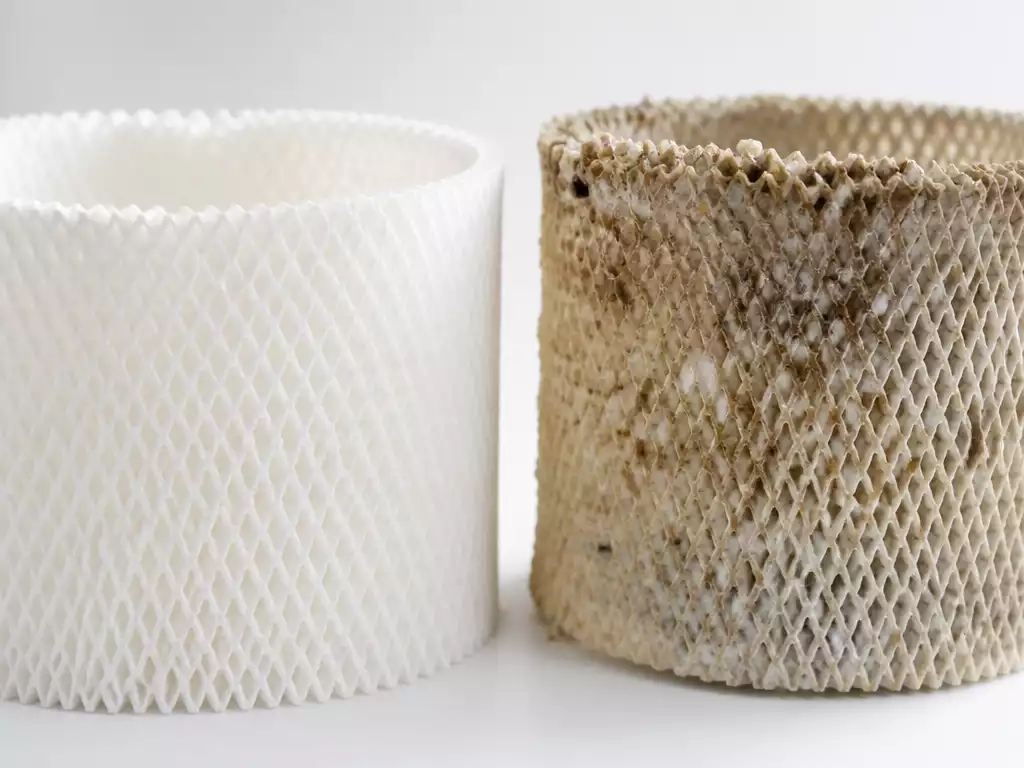
- Visible dirt or discoloration
- Reduced humidity output
- Unpleasant odors coming from the humidifier
- Hard, crusty buildup on the wick
If you notice any of these signs, it’s crucial to act quickly. A dirty wick can lead to inefficient operation and could even promote the growth of mold and bacteria within your humidifier.
Health Benefits of Maintaining Your Humidifier Wick
Regularly cleaning or replacing your humidifier wick provides more benefits than just improved performance. Here are the key health benefits of maintaining your humidifier wick:
- Improved air quality: A clean wick helps eliminate contaminants in the air.
- Reduced allergens: Regular maintenance can minimize dust, mold, and allergens.
- Better respiratory health: Well-humidified air can ease breathing problems.
Incorporating these maintenance practices into your routine not only enhances the efficiency of your humidifier but also contributes to a healthier home. Remember, a little effort goes a long way in ensuring safe and comfortable living conditions!
Pro Tip
Did you know? Regularly replacing your humidifier wick every 2-3 months can significantly enhance its efficiency and your indoor air quality. Don’t wait for visible signs of wear—keeping a schedule for wick maintenance can help you breathe easier and enjoy a more comfortable home environment!
Making Informed Decisions about Humidifier Wick Care
When it comes to maintaining your humidifier, understanding whether to clean or replace your wick is crucial. Wicks play a vital role in your humidifier’s performance, and knowing how to care for them can make all the difference. Throughout this section, I’ll summarize key points that can help you make informed decisions about your humidifier wick maintenance.
Generally, if your wick is discolored or has a bad odor, it’s a sign that it’s time for a replacement. However, if you’re just noticing some mineral buildup, cleaning can often extend the life of your wick! Remember, it’s essential to recognize the signs early to prevent further issues and maintain optimal humidity levels in your space.
Summarizing Key Points on Cleaning vs. Replacing Wicks
Let’s take a closer look at when you should clean your wick and when it’s better to replace it. Here are some key points to consider:
- Cleaning: If your wick is simply showing mineral deposits but is structurally sound, a good clean can often restore its functionality.
- Replacing: If the wick is physically damaged, frayed, or has been in use for a long time (usually over 2-3 months), it’s best to replace it.
- Hybrid Approach: Sometimes, a combination of cleaning and timely replacements ensures the best performance of your humidifier.
These points can help you identify the right course of action for your specific humidifier situation. Regular maintenance can enhance your humidifier’s efficiency and prolong the life of its components!
Empowering Your Humidifier Use with Best Practices
In order to get the most out of your humidifier, it’s important to adopt some best practices. Maintaining a clean wick is just one part of the puzzle! Here are several tips that can empower you to enhance your humidifier experience:
- Check your wick regularly for any signs of wear or buildup.
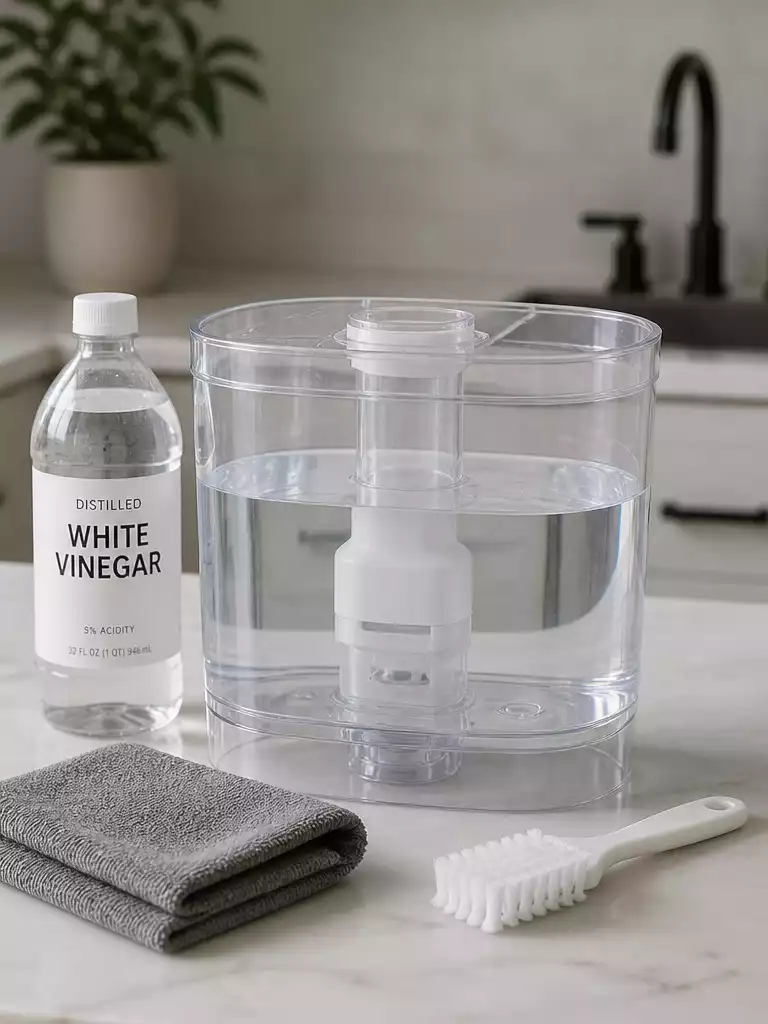
- Use distilled or demineralized water to minimize mineral deposits.
- Follow the manufacturer’s guidelines for cleaning frequency and wick replacement.
By implementing these practices, you can help ensure that your humidifier operates efficiently and healthily. Remember, it’s all about making your home environment more comfortable!
Role of Humidistat in Humidity Control
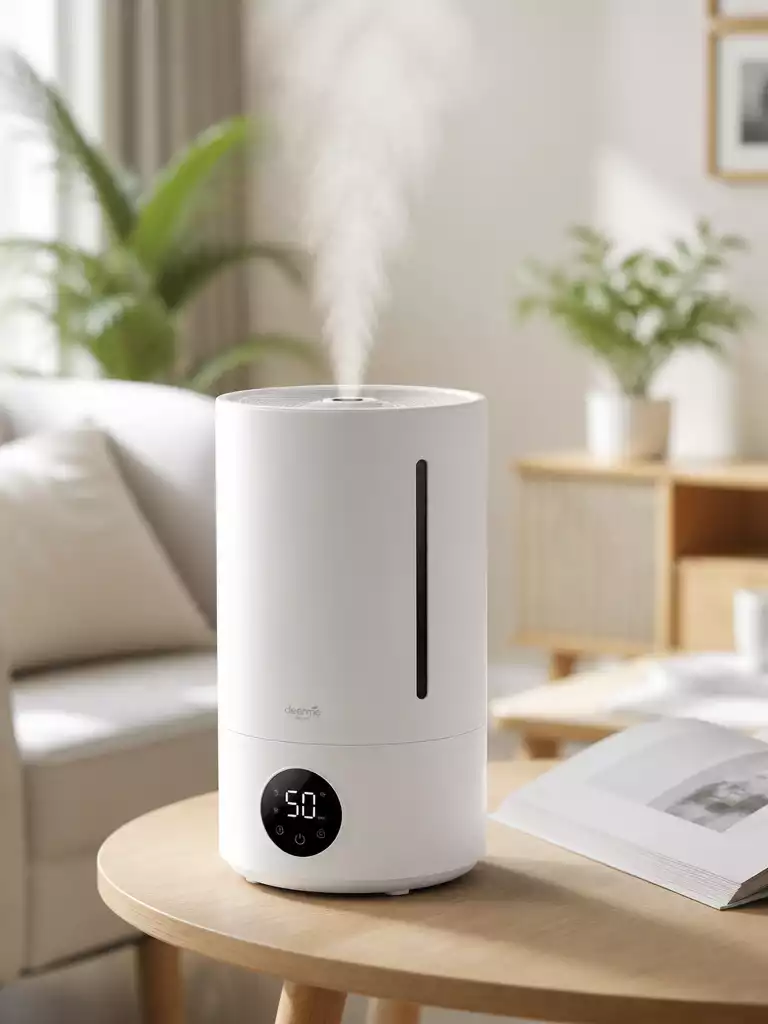
A humidistat is a crucial component of your humidifier that helps maintain the desired humidity levels in your home. By monitoring humidity, it allows your humidifier to function more effectively, preventing over-humidification or dry air. Understanding how to use your humidistat can greatly enhance your humidifier’s performance.
Here are a few benefits of a well-functioning humidistat:
- Energy Efficiency: A humidistat helps your humidifier operate only when necessary, saving energy.
- Comfort Control: It maintains optimal humidity levels, which can improve your overall comfort.
- Preventing Damage: Proper humidity levels help protect your furniture and home from damage caused by too much or too little moisture.
By understanding and utilizing your humidistat, you can achieve a more comfortable and healthy living space, enhancing your humidifier’s effectiveness!
Frequently Asked Questions About Humidifier Wick Maintenance
- What is the main function of a humidifier wick?
- A humidifier wick absorbs water from the reservoir and facilitates its evaporation into the air, helping to increase humidity levels in your space. It also helps filter out some impurities from the water.
- How often should I replace my humidifier wick?
- It is generally recommended to replace your humidifier wick every 2-3 months, or sooner if you notice visible signs of wear, discoloration, or reduced humidifier performance.
- What are the health benefits of maintaining a clean humidifier wick?
- Maintaining a clean wick improves air quality, reduces allergens, and promotes better respiratory health by ensuring the humidifier disperses clean, well-humidified air.
- When should I clean my humidifier wick versus replacing it?
- You should clean your wick if it shows minor mineral deposits and is structurally sound. However, if the wick is physically damaged, frayed, discolored, or has an unpleasant odor, it’s best to replace it.
- What role does a humidistat play in humidifier efficiency?
- A humidistat monitors and controls the humidity levels in your home, allowing your humidifier to operate only when necessary. This saves energy, maintains optimal comfort, and helps prevent damage caused by improper humidity levels.
Recap of Key Points
Here is a quick recap of the important points discussed in the article:
- Regular maintenance of your humidifier wick is essential for efficient humidification and air quality.
- Signs that your wick needs cleaning or replacement include visible dirt, reduced humidity output, and unpleasant odors.
- Maintaining a clean wick can improve air quality, reduce allergens, and promote better respiratory health.
- Cleaning is recommended for minor mineral buildup, while replacement is necessary for damaged or discolored wicks.
- Using distilled water and following manufacturer guidelines can help prolong the life of your wick.
- Understanding the role of the humidistat can enhance your humidifier’s performance and maintain optimal humidity levels.