
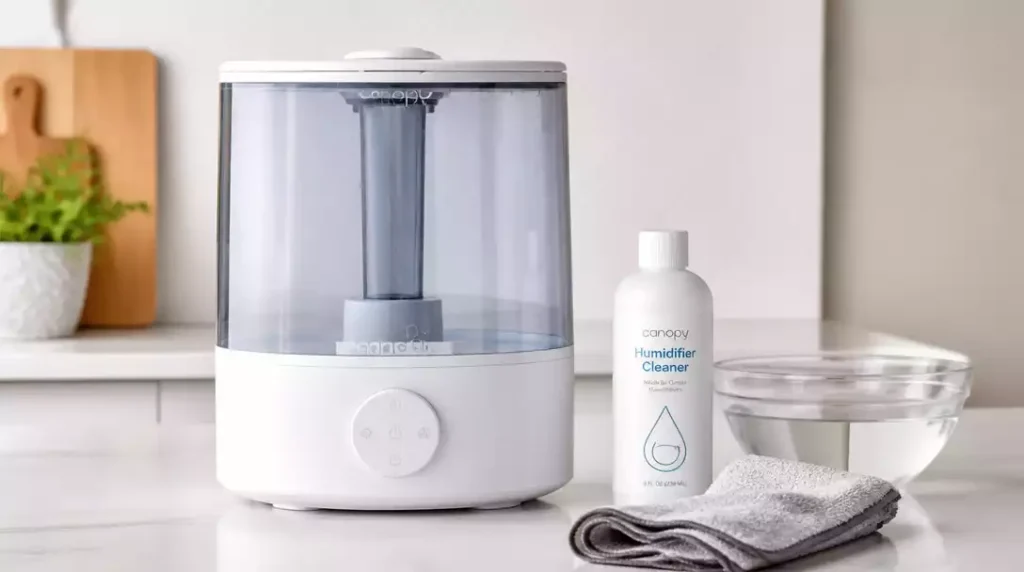
Did you know that maintaining the right humidity levels can significantly impact your health? Discover how your Canopy humidifier can play a crucial role in ensuring a comfortable and healthy living environment.
What You Will Learn
- Key components of the Canopy humidifier include the water tank, tray, cap, grill, and fan, each essential for optimal operation.
- Proper humidity control can enhance health by keeping skin hydrated and reducing respiratory issues.
- Regular cleaning of your humidifier prevents health risks associated with bacteria and mold growth.
- Common myths about humidifier care, like the belief that distilled water eliminates the need for cleaning, can lead to improper maintenance.
- Best practices for post-cleaning include thorough drying of all components to prevent mold growth.
- Proper storage of your humidifier, including cleaning and keeping it in a dry place, ensures it remains ready for use.
- Model-specific cleaning guides provide tailored instructions for maintaining your Canopy humidifier effectively.
Canopy Humidifier: Key Components and Maintenance Needs
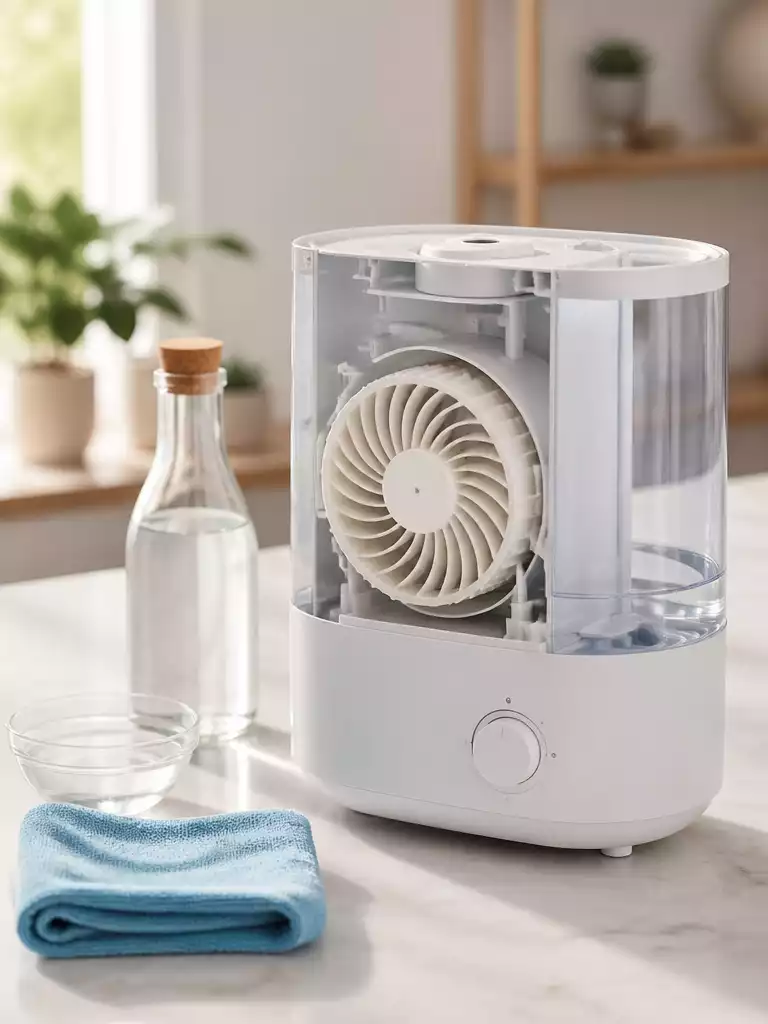
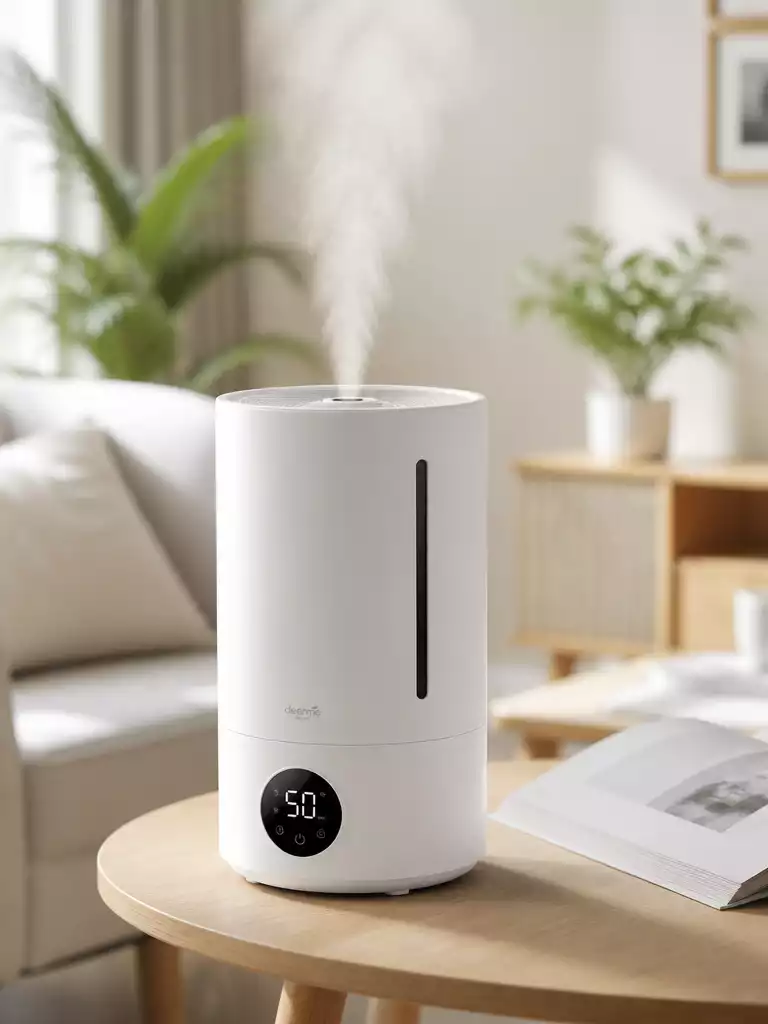
The Canopy humidifier is a fantastic tool for maintaining optimal indoor air quality, especially during dry seasons. Its main components include the water tank, tray, cap, grill, and fan. Each part plays a crucial role in ensuring the humidifier operates efficiently and delivers the moisture you need.
The water tank holds the water that the humidifier transforms into vapor. The tray collects any excess water, while the cap and grill work together to release the humidified air into your space. Finally, the fan circulates the moisture throughout the room. Keeping these components in check can significantly enhance the humidifier’s performance and your overall comfort.
Overview of Canopy Humidifier Parts
- Water Tank: Stores the water necessary for humidification.
- Tray: Collects excess water, ensuring it doesn’t leak.
- Cap: Seals the water tank and prevents spills.
- Grill: Helps distribute humidified air evenly.
- Fan: Circulates the moisture into the air.
Understanding these parts is essential for anyone looking to maximize their humidifier’s effectiveness. Each component needs regular attention to maintain optimal functionality and longevity.
Importance of Humidity Control for Health Benefits
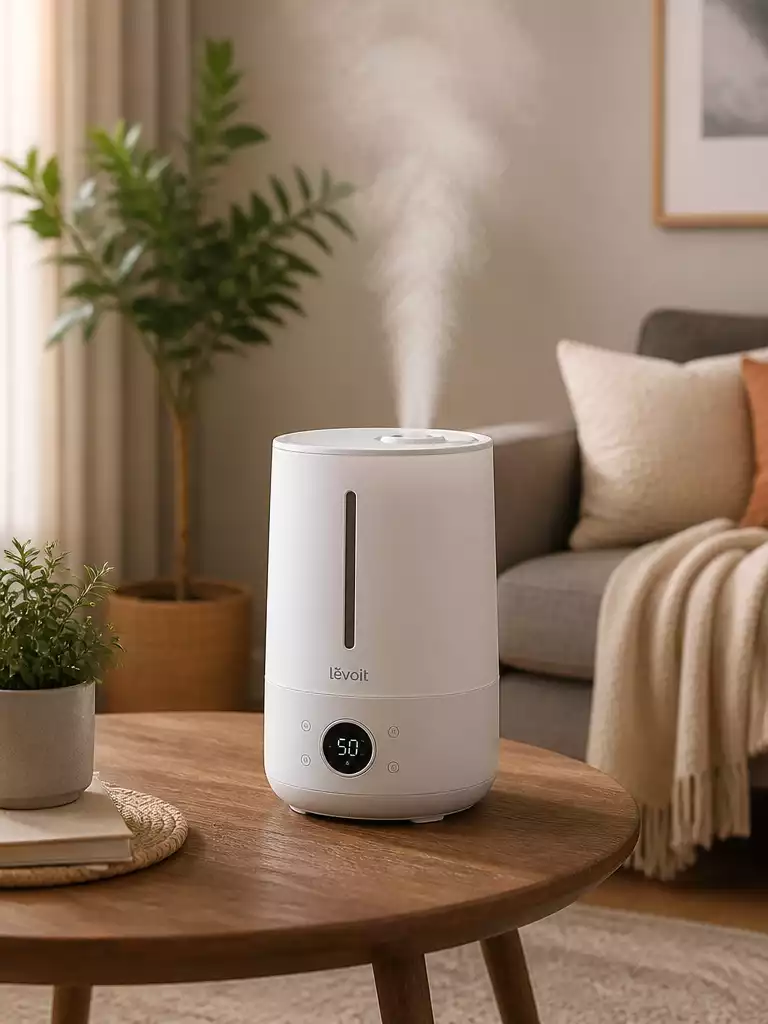
Did you know that maintaining the right humidity levels can significantly impact your health? Proper humidity control helps to keep your skin hydrated and can reduce respiratory issues. When the air is too dry, it can lead to irritation in your nose and throat, making you more susceptible to colds and other illnesses.

Furthermore, achieving balanced humidity levels can improve indoor air quality. This is vital not only for your health but also for preserving the integrity of your home and belongings. By using the Canopy humidifier effectively, you can create a healthier, more comfortable living environment!
Why Regular Cleaning is Essential
Cleaning your humidifier regularly is crucial for several reasons. First, it helps prevent health issues caused by bacteria and mold growth, which can thrive in damp environments if not cleaned properly. Regular maintenance ensures that the moisture released into the air is safe for you and your family.
Additionally, a clean humidifier operates more efficiently, saving you energy and extending the life of the unit. By incorporating a cleaning routine into your maintenance schedule, you’ll enjoy all the health benefits of a working humidifier without the unwanted side effects! If you’re looking for a general guide, learn how to clean a humidifier properly.
Common Cleaning Myths Surrounding Humidifiers
There are several myths about humidifier cleaning that can lead to improper care. One common misconception is that you don’t need to clean the humidifier if you use distilled water. While distilled water reduces mineral buildup, it doesn’t eliminate the need for regular cleaning.
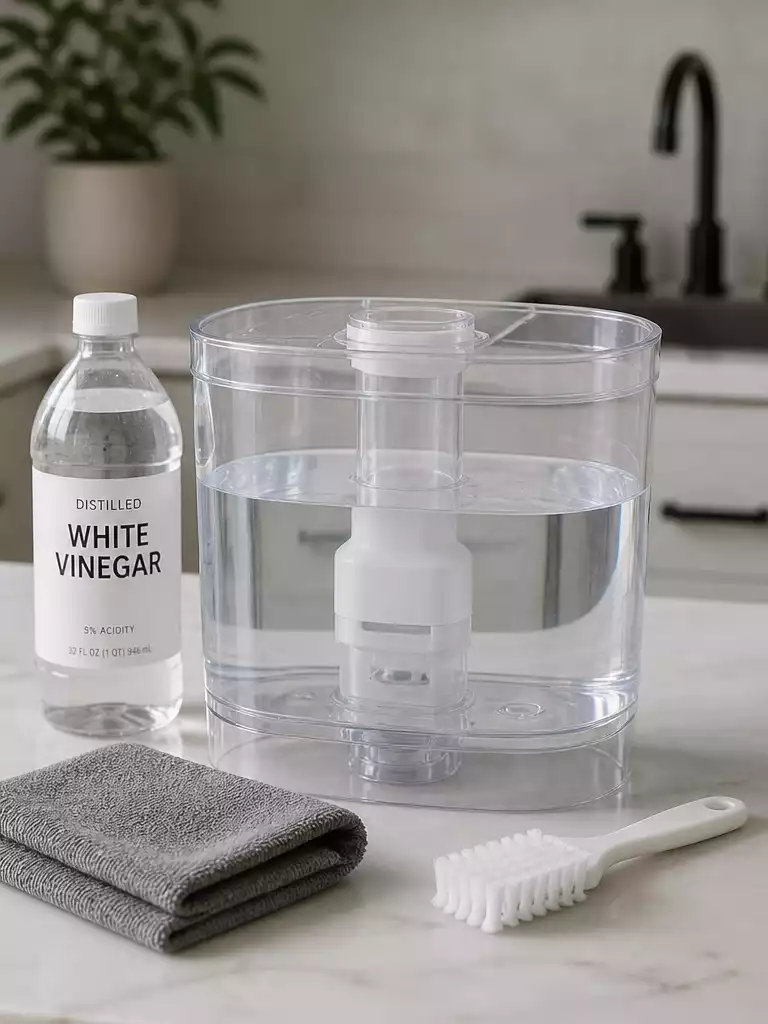
Another myth suggests that vinegar is too harsh for humidifiers. In reality, vinegar is a safe and effective cleaning agent that can help disinfect and remove mineral deposits. Understanding these myths ensures you take proper care of your Canopy humidifier while maximizing its benefits! For a detailed guide on using vinegar, check out our post on how to clean a humidifier with vinegar.
Pro Tip
Did you know? Regularly changing the water in your Canopy humidifier can significantly improve its efficiency. Stale water can lead to bacterial growth and odors, so fresh water ensures cleaner, healthier humidification for your home!
Post-Cleaning Best Practices for Your Canopy Humidifier
Drying and Reassembling Your Humidifier
Once you’ve cleaned your Canopy humidifier, it’s important to dry all components thoroughly before putting it back together. This step is crucial to prevent mold growth!
Here are some guidelines to help you effectively dry your humidifier:
- Use a clean, dry cloth to wipe the water tank and tray.
- Leave the components in a well-ventilated area for at least two hours to air dry completely.
- Ensure that any small parts, like the cap and grill, are also fully dry before reassembly.
By taking the time to properly dry each component, you can ensure your humidifier performs well and remains free of unwanted mold.
Storage Tips for Long-Term Use
Planning to store your Canopy humidifier? It’s important to do it right to ensure it’s ready to go when you need it again. Here are some best practices for storage:
- Always clean and dry the humidifier thoroughly before storing.
- Keep it in a cool, dry place to avoid moisture buildup.
- Store with the power cord wrapped securely to prevent damage.
Additionally, make sure to keep a maintenance schedule handy. This will help remind you when it’s time to clean and check your humidifier again!
Additional Resources and Support for Canopy Humidifier Users
Model-Specific Cleaning Guides
For those who want more detailed instructions, we have links to model-specific cleaning guides! These guides include user manuals and video tutorials that make the cleaning process even easier.
By following these tailored guides, you can ensure your Canopy humidifier is maintained properly according to its model specifications, which can enhance its performance.
Frequently Asked Questions
We know you might have some questions about cleaning and maintaining your Canopy humidifier. Here are concise answers to common queries:
- How often should I clean my humidifier? Generally, once a week for regular use!
- Can I use tap water? It’s best to use distilled water to prevent mineral buildup.
- What should I avoid washing? Never submerge electrical components in water!
These answers should help you troubleshoot common issues and keep your humidifier in top shape. If you notice your Canopy humidifier not using water as it should, our detailed guide can help you diagnose and fix the problem.
Canopy Humidifier FAQs
- What are the main components of a Canopy humidifier?
The main components are the water tank, tray, cap, grill, and fan. Each part is crucial for the humidifier’s efficient operation. - Why is regular cleaning important for my Canopy humidifier?
Regular cleaning prevents the growth of bacteria and mold, which can cause health issues. It also ensures efficient operation and extends the lifespan of your unit. - How often should I clean my Canopy humidifier?
For regular use, it’s generally recommended to clean your humidifier once a week. - Can I use tap water in my Canopy humidifier?
While you can use tap water, it’s best to use distilled water to minimize mineral buildup and reduce the need for frequent descaling. - What should I do after cleaning my Canopy humidifier?
Thoroughly dry all components with a clean cloth and allow them to air dry completely in a well-ventilated area for at least two hours before reassembling. This prevents mold growth. - What are some common myths about humidifier cleaning?
One common myth is that distilled water eliminates the need for cleaning; however, regular cleaning is still necessary. Another myth is that vinegar is too harsh, when in fact, it’s a safe and effective cleaning agent. - How should I store my Canopy humidifier for long-term use?
Always clean and thoroughly dry the humidifier before storing it. Keep it in a cool, dry place with the power cord securely wrapped to prevent damage.
Conclusion and Call to Action
Maintaining a clean Canopy humidifier is vital for improving air quality and enhancing its performance. I encourage you to implement the tips shared here to ensure your humidifier stays in great condition. Your health and comfort are worth it!
Recap of Key Points
Here is a quick recap of the important points discussed in the article:
- Understand the key components of the Canopy humidifier: water tank, tray, cap, grill, and fan.
- Regular cleaning is essential to prevent bacteria and mold growth, ensuring safe moisture release.
- Proper humidity control can improve health by reducing respiratory issues and keeping skin hydrated.
- Myths about humidifier cleaning, such as the need for cleaning when using distilled water, should be debunked.
- After cleaning, components must be thoroughly dried to prevent mold growth before reassembly.
- Store your humidifier clean and dry, in a cool place, with the power cord securely wrapped for long-term use.
Pingback: Canopy Humidifier Red Light? Causes and Solutions