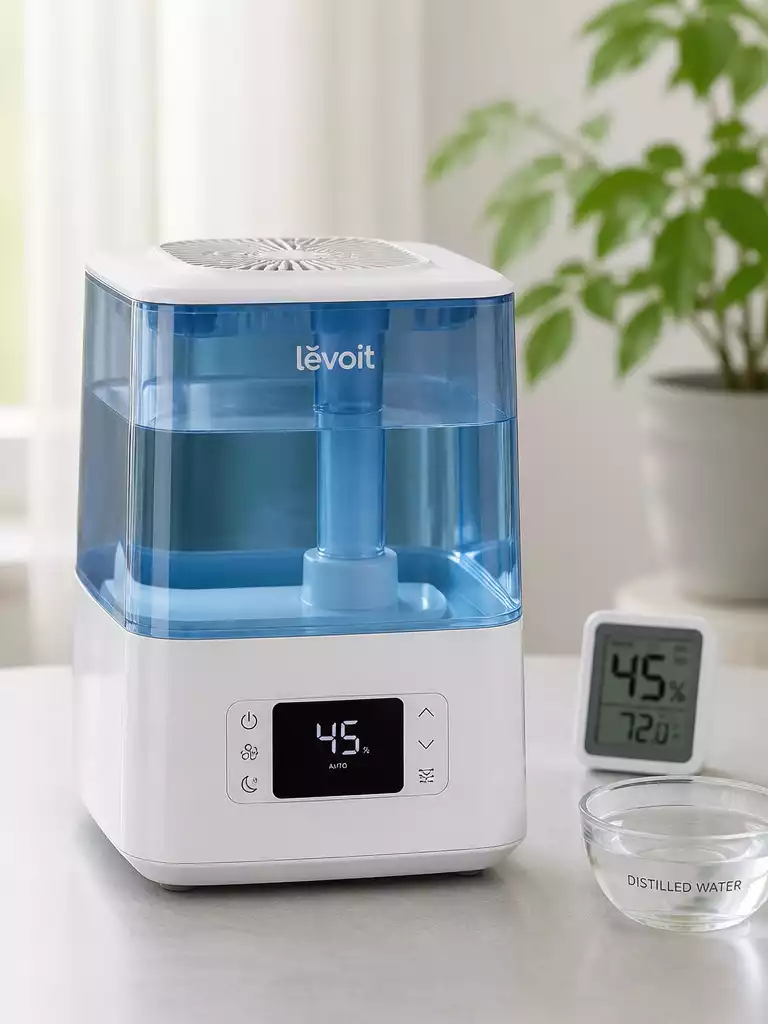
Have you ever found yourself frustrated by a humidifier that just won’t work? Understanding the common pitfalls can help you troubleshoot effectively and maintain optimum performance.
What You Will Learn
- Recognize power problems by ensuring the unit is plugged in and the outlet is functional.
- Maintain the proper water level in the tank to ensure effective operation.
- Stay aware of symptoms like no mist production or strange noises indicating malfunction.
- Understand how humidity levels impact the efficiency of your humidifier.
- Prioritize air quality to enhance humidifier performance and health benefits.
- Follow key maintenance steps to extend the lifespan of your device.
- Use practical troubleshooting steps to quickly address common issues.
Understanding the Common Issues with Evaporative Humidifiers
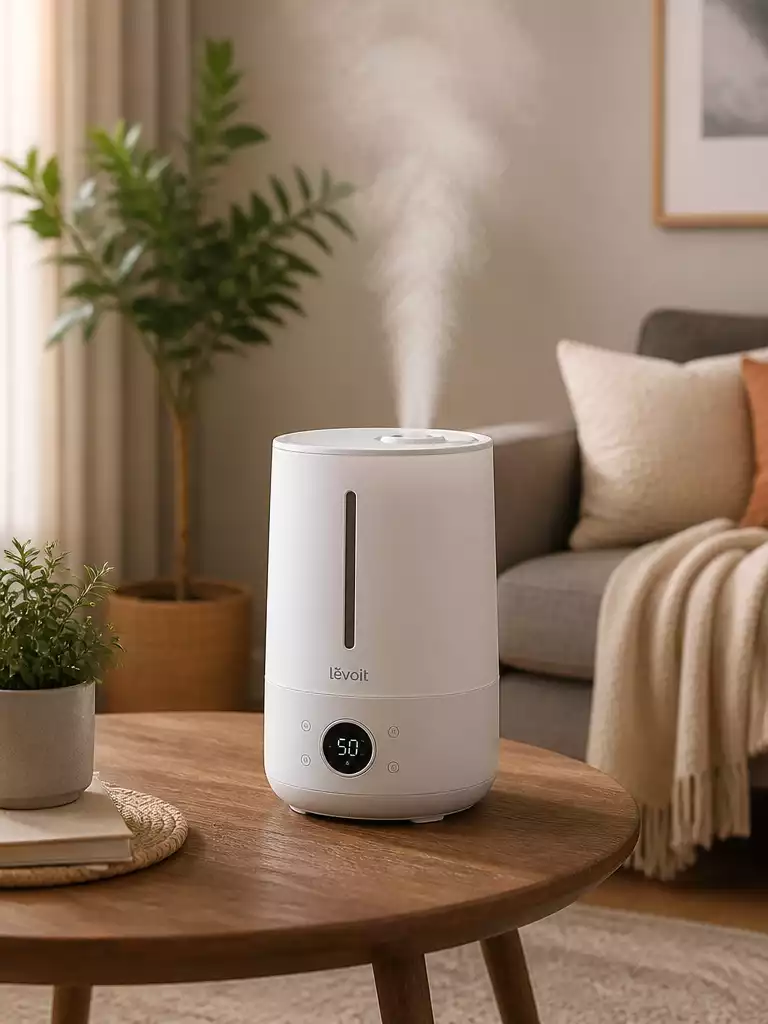
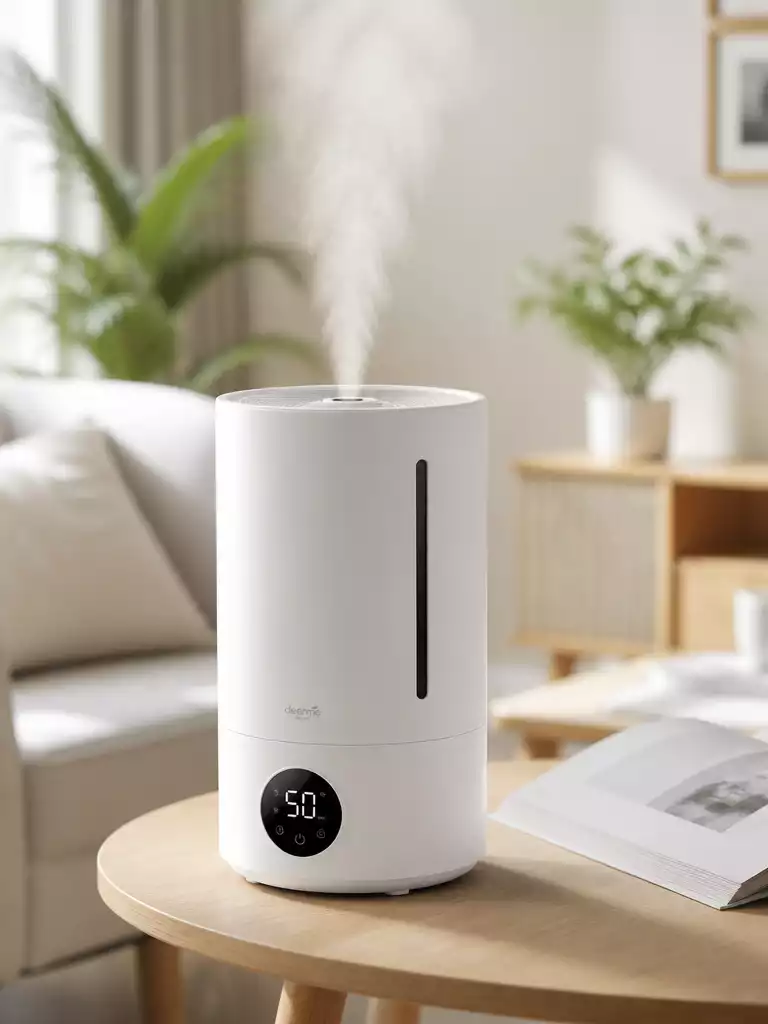
Evaporative humidifiers are fantastic devices, helping to add moisture to dry air and improving overall comfort in your home. However, they can sometimes experience issues that prevent them from functioning properly. In this section, we’ll explore some of the common issues that can arise with these devices and how to address them.
From power problems to water levels and maintenance, understanding these factors can help you troubleshoot and keep your humidifier running smoothly.
Why Your Evaporative Humidifier Might Not Be Working
There are various reasons why your evaporative humidifier might not be operating as it should. Here are some key issues to consider:
- Power Problems: Check if the unit is plugged in and the outlet is functional.
- Low Water Levels: Ensure the water tank is filled to the recommended level.
- Dirty Filters: Clogged filters can restrict airflow and reduce output.
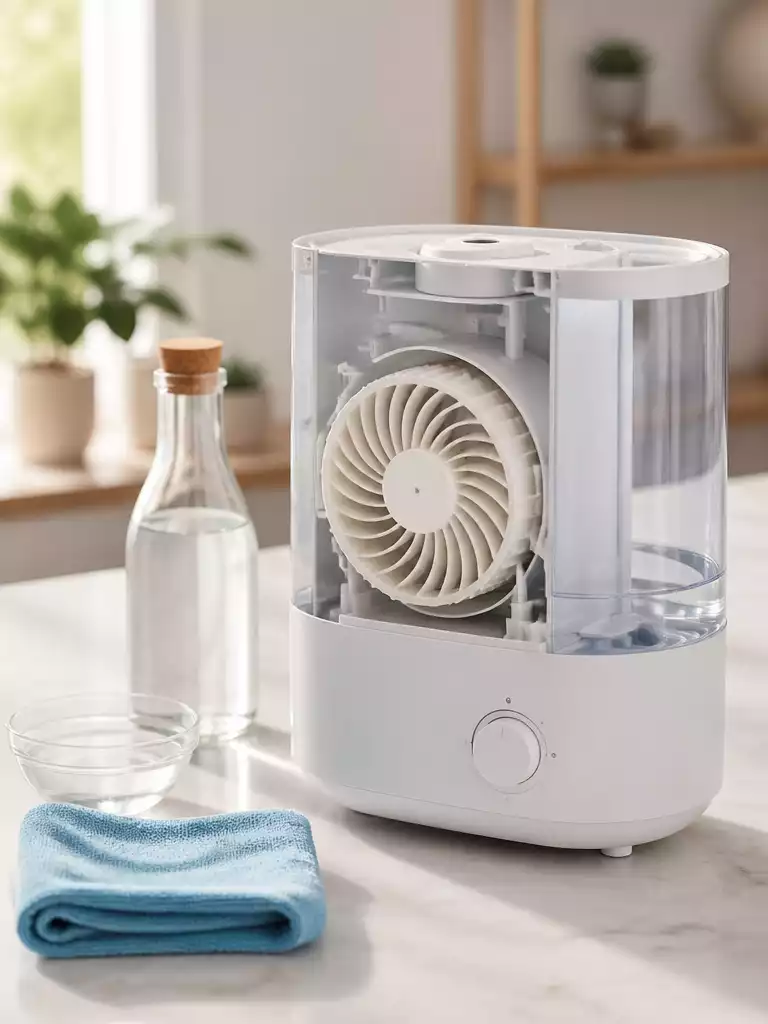
- Fan Malfunctions: The fan may not be functioning correctly, affecting moisture distribution.
Addressing these issues promptly can help restore the performance of your evaporative humidifier and enhance the air quality in your space!
Identifying Symptoms of a Malfunctioning Humidifier
Being able to recognize the symptoms of a malfunctioning humidifier can save you time and frustration. Here are some common signs to look out for:
- No mist or steam production
- Low humidity levels in the room despite usage
- Intermittent operation or strange noises
- Water accumulation or leaks around the unit
If you notice any of these symptoms, it’s important to take action right away. Simple troubleshooting techniques can often resolve these issues!
The Impact of Humidity Levels on Humidifier Performance
Humidity levels play a crucial role in how well your evaporative humidifier operates. When the air is already humid, the device may struggle to add more moisture effectively. Here are some factors to keep in mind:
- High humidity can lead to reduced evaporation rates.
- Low humidity levels can cause the humidifier to work harder to maintain balance.
- Seasonal changes often affect indoor humidity levels.
Understanding these dynamics can help you adjust your humidifier settings appropriately and get the most out of your device!
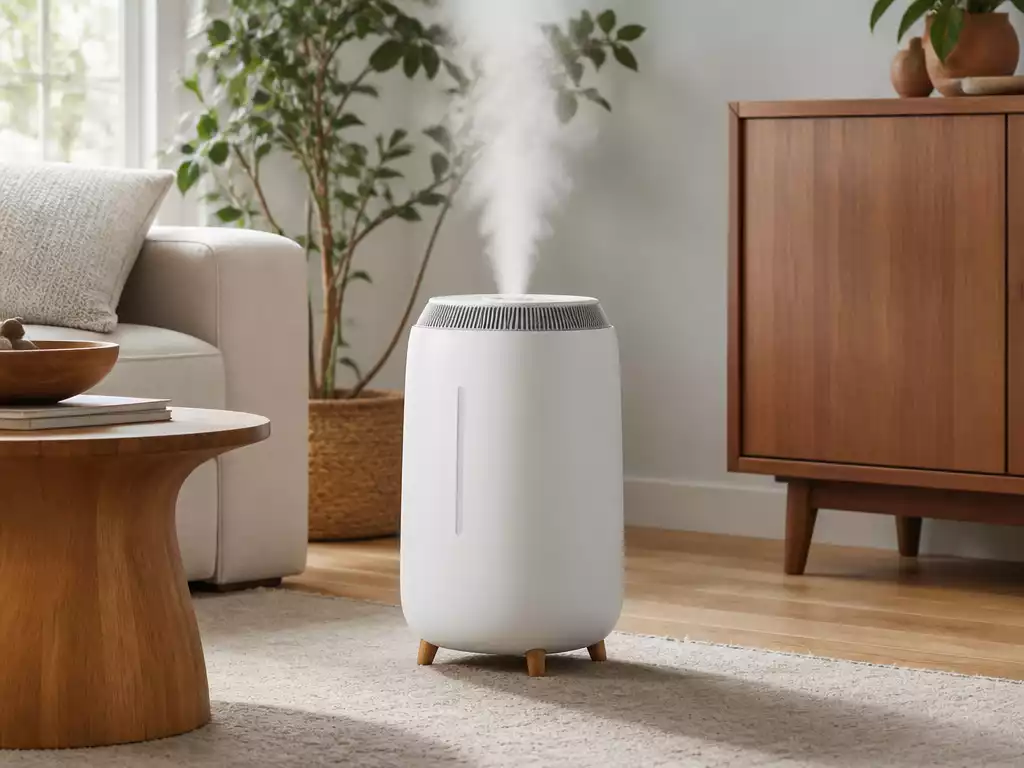
Recognizing the Role of Air Quality in Humidifier Functionality
Air quality significantly impacts the performance of your humidifier. Dust, pollen, and bacteria can all affect how well your device operates. Here are some factors to consider:
- Dust Accumulation: Dust can clog filters and reduce airflow.
- Bacteria Growth: Poor air quality can lead to bacteria build-up in the water tank.
- Allergens: Humidifiers can aid in reducing airborne allergens, but they need to be maintained well.
By prioritizing air quality, you can ensure your humidifier runs efficiently and contributes positively to your overall health!
Pro Tip
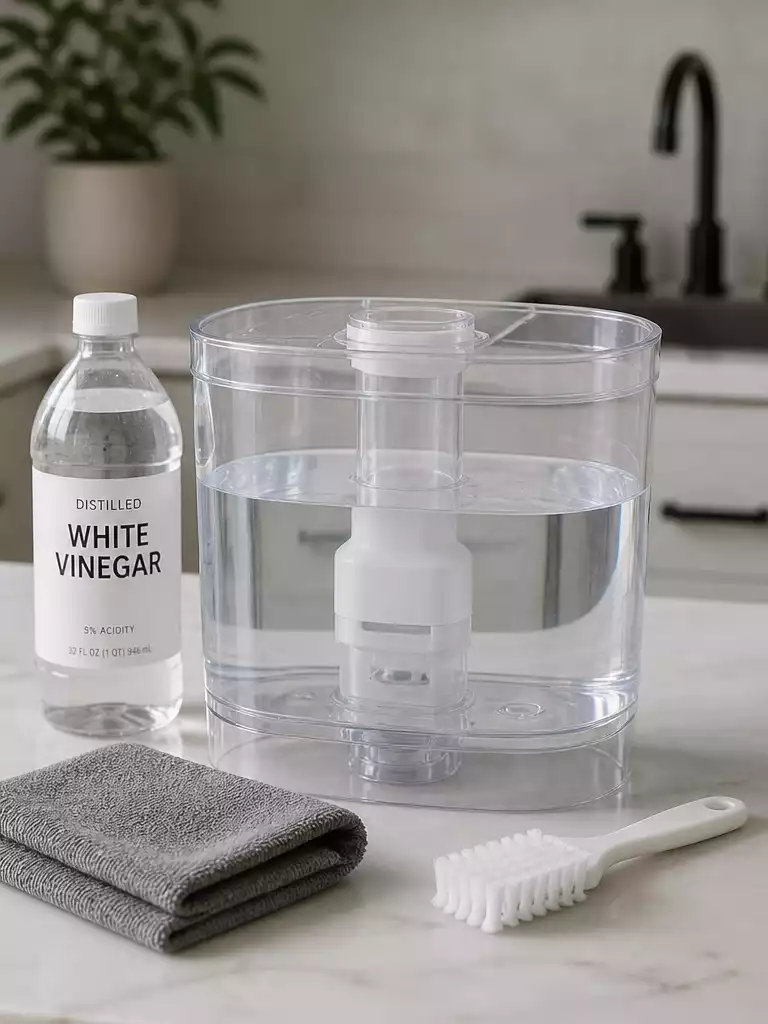
Did you know? Regularly cleaning your humidifier not only improves its performance but can also prevent the growth of mold and bacteria. Aim to clean your unit every few weeks, especially during peak usage seasons, to maintain optimal air quality and device longevity.
Summarizing the Key Steps for Effective Humidifier Maintenance
To ensure your evaporative humidifier runs at its best, it’s crucial to follow a series of maintenance steps regularly. These steps not only enhance the performance but also extend the lifespan of your device. Let’s look at the essential troubleshooting steps that I’ve found to be most effective:
- Check Power Supply: Ensure your humidifier is plugged in and that the outlet is working. Sometimes, a simple power issue can cause your humidifier to stop functioning.
- Inspect Water Levels: Regularly check the water tank to make sure it’s filled. Low water levels can drastically reduce output.
- Clean the Filter: A clogged filter can hinder performance. Clean or replace it according to the manufacturer’s instructions.
- Examine Fan Operation: The fan needs to work efficiently to circulate moisture. Make sure it’s functioning properly.
By keeping these key steps in mind, you’ll find that your humidifier works more effectively and requires less frequent repairs. Remember to add these tasks to your regular home maintenance schedule!
Taking Action: Practical Steps for Troubleshooting Your Humidifier
Now that you have an overview of the key maintenance steps, it’s time to take action! I encourage you to utilize the outlined troubleshooting steps when you encounter problems with your evaporative humidifier. Here’s a simple guide to get you started:
- Test the power source by plugging something else into the same outlet.
- Check the water tank and refill it if necessary, ensuring it’s seated correctly.
- Inspect the wick filter and clean or replace it as needed.
- Adjust the humidistat settings and test the fan operation.
These practical steps can make a world of difference. Whether you’re dealing with low mist output or a completely non-responsive unit, following these guidelines can help you identify and fix the issues more quickly. Don’t hesitate to reach out if you need further assistance!
Frequently Asked Questions About Evaporative Humidifiers
- Q: Why is my evaporative humidifier not producing mist?
- A: Common reasons include power problems (not plugged in, faulty outlet), low water levels in the tank, dirty or clogged filters, or a malfunctioning fan.
- Q: How often should I clean my humidifier’s filter?
- A: It’s recommended to clean or replace your humidifier’s filter according to the manufacturer’s instructions, typically every few weeks, especially during peak usage seasons. This prevents dust accumulation and maintains optimal airflow.
- Q: Can high humidity levels affect my humidifier’s performance?
- A: Yes, when the air is already humid, an evaporative humidifier may struggle to add more moisture effectively, leading to reduced evaporation rates. Adjusting settings based on indoor humidity can help.
- Q: What are the signs of a malfunctioning humidifier?
- A: Key symptoms include no mist or steam production, persistently low humidity levels in the room, intermittent operation, strange noises, or water accumulation/leaks around the unit.
- Q: How does air quality impact my humidifier?
- A: Poor air quality, characterized by dust, pollen, and bacteria, can significantly affect performance. Dust can clog filters, bacteria can grow in the water tank, and overall air quality affects the unit’s efficiency and health benefits.
Engaging with Your Humidifier’s Performance
I’d love to hear from you! If you have experiences or questions regarding your evaporative humidifier, sharing them can help others in the community. Whether you’ve faced similar issues or found unique solutions, your insights are valuable. Feel free to comment below or reach out directly to me—let’s keep the conversation going!
Recap of Key Points
Here is a quick recap of the important points discussed in the article:
- Power Issues: Always check if the humidifier is plugged in and the outlet is functioning.
- Water Levels: Ensure the water tank is filled to the recommended level for optimal performance.
- Filter Maintenance: Regularly clean or replace dirty filters to maintain airflow and efficiency.
- Fan Functionality: Check that the fan is operational to ensure proper moisture distribution.
- Humidity Awareness: Adjust settings based on indoor humidity levels for effective operation.
- Air Quality Considerations: Maintain good air quality to prevent dust and bacteria build-up in the unit.